
Blog

  • Dealing With Nationwide Insurance After a Chicago Car Crash

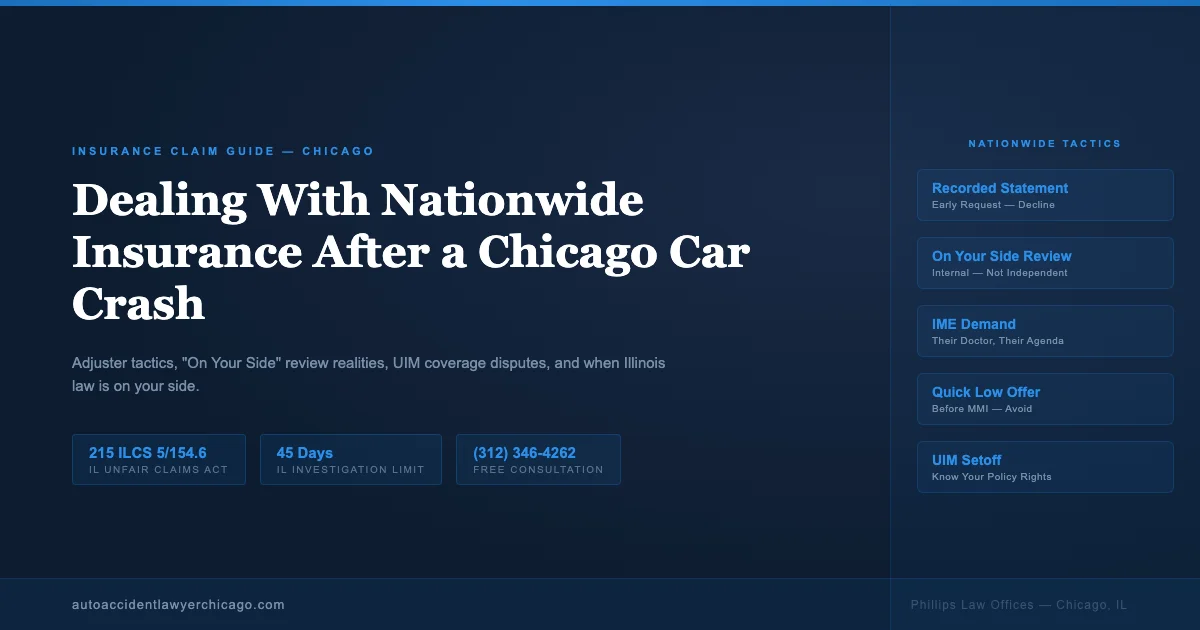
    Dealing With Nationwide Insurance After a Chicago Car Crash

    Short answer: If Nationwide Insurance is involved in your Chicago car accident claim, expect a structured claims process driven by their “On Your Side” branding that can mask adjuster tactics designed to limit what you recover. Illinois law gives you the right to a fair, prompt investigation and written explanations for any claim denial or reduction. Nationwide adjusters use recorded statements, independent medical reviews, and quick low offers to protect the company’s bottom line. Before you sign any release or give a statement, talk to a Chicago car accident attorney.

    My Experience Handling Nationwide Insurance Claims in Illinois

    At Phillips Law Offices, I have represented injured drivers and passengers across Chicago whose claims involved Nationwide Insurance. Nationwide is one of the largest auto insurers in the United States, and its Illinois claims operation follows a predictable playbook: early outreach, recorded statement requests, medical record sweeps, and settlement offers that arrive before you understand the full scope of your injuries. The “On Your Side” promise sounds reassuring, but it refers to Nationwide’s internal review process, not an independent advocate working in your interest. Understanding the gap between that marketing language and reality has helped my clients avoid costly mistakes.

    Nationwide’s Claims Process in Illinois

    Nationwide assigns adjusters quickly after a crash is reported. Their Illinois claims process generally follows this timeline:

    StageTypical TimeframeWhat to Watch For
    Claim ReportedDay 1Get your claim number in writing immediately
    Adjuster Assigned1-2 business daysEarly recorded statement request is common
    Liability Investigation5-15 daysThey may dispute fault or assign partial fault to you
    Medical Records Review2-4 weeks post-treatmentNationwide requests full prior medical history
    Initial Settlement Offer30-60 days after treatment endsFirst offers typically undervalue non-economic damages
    On Your Side ReviewAt adjuster’s discretionAn internal review that is not independent, see FAQ below
    Negotiation or LitigationWeeks to monthsAttorney representation significantly shifts leverage

    Under Illinois law, insurers must acknowledge your claim within 10 working days of receiving notice and must complete an investigation within 45 days unless there is good cause for delay. See 215 ILCS 5/154.6 for the specific unfair claim practice prohibitions that govern Nationwide’s conduct in this state.

    Common Nationwide Adjuster Tactics

    Nationwide adjusters are trained professionals whose performance is measured against claim costs, not claimant satisfaction. Here are the tactics that appear most frequently in Chicago-area Nationwide claims:

    • Recorded statement requests within days of the crash. Adjusters call quickly and ask to record your description of the accident. Statements made before you know the extent of your injuries can be used to limit your recovery. You are not legally required to give a recorded statement to another driver’s insurer.
    • Pre-existing condition arguments. Nationwide will request your full medical history seeking prior back, neck, shoulder, or joint issues. Even if you had a prior condition, Illinois law entitles you to compensation when a crash aggravates that condition.
    • Fault apportionment. Illinois follows a modified comparative fault rule. Nationwide adjusters may argue you were 20 or 30 percent at fault, which reduces their payout proportionally. That assessment is not final and can be challenged.
    • Quick low settlement offers. Offers that arrive in the first weeks after a crash rarely account for future medical costs, ongoing pain and suffering, or lost earning capacity. Once you sign a release, you cannot go back.
    • Independent Medical Examinations. Nationwide may request an IME by a doctor of their choosing. These examinations are designed to support the insurer’s position, not provide you with a neutral medical opinion.
    • Communication delays after pushback. If you reject an initial offer, expect slow responses, additional documentation requests, and general delays designed to wear you down.

    Nationwide’s Coverage Products That Affect Your Claim

    The coverage types on a Nationwide policy directly affect what compensation is available after a Chicago car crash. Understanding the relevant products helps you know what to demand and where Nationwide may try to limit its exposure:

    Coverage TypeWhat It CoversCommon Post-Crash Dispute
    Bodily Injury LiabilityInjuries to others when Nationwide’s insured is at faultDisputes over fault percentage and injury causation
    Property Damage LiabilityVehicle and property damage caused by their insuredLowball repair estimates, total loss valuations
    Collision CoverageYour vehicle damage regardless of faultDepreciation disputes, aftermarket parts substitution
    Uninsured Motorist (UM)Your injuries when the at-fault driver has no insuranceNationwide disputes the uninsured status or limits payout
    Underinsured Motorist (UIM)Your injuries when at-fault driver’s limits are too lowNationwide’s own UIM limits vs. stacked coverage disputes
    Medical Payments (MedPay)Medical bills regardless of fault, up to policy limitsReimbursement demands after you settle with another insurer

    Nationwide’s “On Your Side” review sounds like an independent check on their adjuster’s work. It is not. It is an internal process Nationwide controls from start to finish. I have never seen an On Your Side review result in a higher offer without an attorney already in the picture pushing back on the original valuation. Treat it as a customer service tool, not an appeals process with any real teeth.

    Underinsured Motorist Coverage With Nationwide

    One of the most contentious areas in Nationwide claims involves underinsured motorist coverage. If the driver who hit you carries state minimum liability limits, Illinois requires only $25,000 per person, and your medical bills exceed that amount, you may be able to make a UIM claim against your own Nationwide policy.

    Nationwide’s UIM process presents specific challenges in Illinois:

    • Consent to settle requirement. Before settling with the at-fault driver’s insurer, you typically must get Nationwide’s consent in writing. Settling without it can waive your UIM claim entirely.
    • Setoff provisions. Nationwide will reduce its UIM payment by the amount you received from the at-fault driver’s policy. Understanding exactly how setoff is calculated matters significantly for larger claims.
    • Independent valuation disputes. Even on your own UIM claim, Nationwide will argue your damages are worth less than you claim. Your own insurer is adverse to you in a UIM case.
    • Arbitration clauses. Many Nationwide policies require arbitration for UIM disputes rather than allowing you to file suit directly. Review your policy language before proceeding.

    When to Hire an Attorney for a Nationwide Claim

    Not every Nationwide claim requires an attorney. If your accident caused only minor property damage, no injuries, and Nationwide is acting in good faith, you may be able to handle the process yourself. But in the following situations, legal representation is strongly advisable:

    • You suffered injuries requiring emergency care, hospitalization, surgery, or ongoing treatment
    • Nationwide is disputing liability or arguing you share fault for the crash
    • Nationwide has made a settlement offer that does not cover all your medical bills
    • You are making a UIM claim against your own Nationwide policy
    • Nationwide has denied your claim outright or stopped responding
    • You missed work or lost income due to your injuries
    • You were seriously injured and face long-term or permanent consequences

    Research consistently shows that injury claimants represented by attorneys recover significantly more than unrepresented claimants, even after legal fees. An attorney who handles Chicago car accident claims knows how Nationwide values cases and what evidence moves the needle.


    Frequently Asked Questions

    Does Nationwide use independent adjusters in Illinois?

    Nationwide uses a combination of staff adjusters and independent adjusting firms depending on the volume of claims in a given area and the complexity of the claim. Whether the adjuster is a Nationwide employee or an independent contractor, their job is the same: protect Nationwide’s financial exposure. An independent adjuster is not independent from Nationwide’s interests, they are hired and paid by Nationwide to handle claims on its behalf.

    How long does Nationwide take to settle a claim in Illinois?

    Simple property damage claims can settle within two to four weeks. Injury claims depend heavily on how long your treatment takes. The right approach is to wait until you have reached maximum medical improvement before accepting any settlement, which could be weeks or many months after the crash. Illinois law requires Nationwide to act promptly and in good faith, but there is no hard statutory deadline for settlement once liability is accepted. If Nationwide is stalling unreasonably, your attorney can apply pressure through bad faith claim procedures under 215 ILCS 5/155.

    Can Nationwide deny my claim if I was partly at fault?

    Illinois uses a modified comparative fault system. If you were less than 51 percent at fault for the crash, you can still recover damages, but your recovery is reduced by your percentage of fault. If Nationwide argues you were 51 percent or more responsible, they can deny the claim entirely. Their fault assessment is not final. An attorney can gather evidence, secure witness statements, obtain accident reconstruction analysis, and challenge Nationwide’s fault determination effectively.

    What is Nationwide’s On Your Side Review?

    Nationwide markets its “On Your Side” review as a check of your coverage to ensure you have the right protection. After an accident, an adjuster may offer you an On Your Side claim review as part of their process. This is an internal Nationwide evaluation, not an independent appeal. It does not involve a neutral third party and does not give you any right to a different outcome. If you disagree with how Nationwide is handling your claim, the meaningful remedies are a formal complaint to the Illinois Department of Insurance, bad faith litigation under Illinois law, or filing a lawsuit.

    Should I give Nationwide a recorded statement?

    If Nationwide is the other driver’s insurer, you are not required to give a recorded statement. Politely decline and let your attorney communicate with Nationwide on your behalf. If Nationwide is your own insurer and your policy requires cooperation, you may have a contractual obligation to provide a statement. Even then, you have the right to have an attorney present. Never give a recorded statement, to any insurer, before you fully understand your injuries, have gathered your own evidence, and ideally have spoken with a lawyer.


    Authoritative Sources

    • 215 ILCS 5/, Illinois Insurance Code, governing insurer conduct and policyholder rights in Illinois
    • 215 ILCS 5/154.6, Illinois Unfair Claim Settlement Practices Act, prohibiting delay tactics, misrepresentation, and failure to promptly settle valid claims
    • Illinois Department of Insurance, Consumer complaint portal for bad faith and improper claim handling disputes

    Related Illinois Injury Guides

    If Nationwide Insurance is involved in your Chicago car accident claim and you are not confident the offer on the table is fair, call Phillips Law Offices at (312) 346-4262 for a free consultation. We handle car accident cases throughout the Chicago area on a contingency fee basis, no fee unless we recover for you.

    Related guides on dealing with the insurance company

    Talk to a Chicago car accident lawyer. Phillips Law Offices offers a free case review, and there is no fee unless we recover for you. Call (312) 346-4262 or request a free case review.

    This article is general information about Illinois law, not legal advice, and reading it does not create an attorney-client relationship. Illinois law changes; confirm anything you intend to rely on with a licensed Illinois attorney.
  • Food Delivery Driver Accidents in Chicago โ€” Uber Eats, DoorDash, and Grubhub Crashes

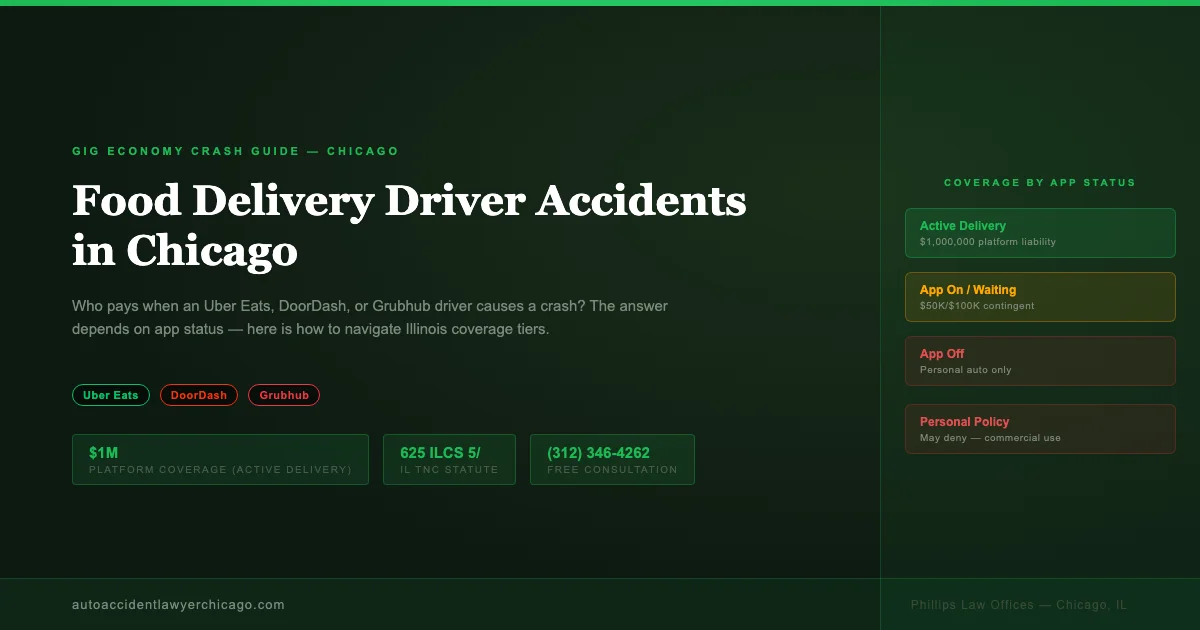
    Food Delivery Driver Accidents in Chicago โ€” Uber Eats, DoorDash, and Grubhub Crashes

    Short answer: If an Uber Eats, DoorDash, or Grubhub driver hit you in Chicago, who pays depends on exactly what the driver was doing at the moment of the crash. Gig delivery platforms carry commercial insurance policies of up to $1 million while a driver is actively making a delivery. But if the driver was logged into the app without an active order, coverage drops significantly. If the driver was completely off-app, only their personal auto policy applies. Sorting out these overlapping coverage tiers is complicated, and insurers do not make it easy. An experienced Chicago car accident attorney can identify every available insurance policy and make sure you pursue the full compensation you are entitled to under Illinois law.

    Why Food Delivery Driver Crashes Are More Complex Than Ordinary Accidents

    I have represented Chicago injury victims in hundreds of car accident cases over the years, and gig economy delivery crashes are among the most complicated. The core problem is that Uber Eats, DoorDash, and Grubhub classify their drivers as independent contractors, not employees. That classification matters for insurance because it creates layered, conditional coverage that shifts depending on the driver’s app status at the moment of the collision. I have handled cases where the driver’s personal insurer immediately denied the claim because the driver was working at the time, while the gig platform simultaneously argued the driver was not actively on a delivery when the crash happened. That coverage gap can leave injured people struggling to get any compensation at all. This guide explains how the coverage tiers actually work in Illinois and what you need to do after a delivery driver hits you.

    The Insurance Coverage Gap Problem

    The coverage gap is the central issue in food delivery driver accident claims. Standard personal auto insurance policies explicitly exclude coverage when the vehicle is being used for commercial purposes. The moment a driver accepts a delivery gig, their personal policy may deny any crash that happens during that period.

    At the same time, gig platforms like Uber Eats and DoorDash only provide their full commercial coverage while a driver has accepted an active delivery order. In the period between when a driver logs into the app and when they accept a delivery request, coverage from the platform is limited. This gap is where many injured victims fall through the cracks.

    The coverage gap is not accidental. Gig platforms designed their insurance structure to minimize payouts during the riskiest period of a driver’s shift. I have seen drivers log 50 miles cruising between delivery zones, all while carrying only contingent liability coverage. If they cause a serious crash during that window, injured victims may be dealing with a personal policy exclusion and a platform policy that pays a fraction of the damages. Getting legal counsel early is the only way to make sure every coverage layer gets properly claimed.

    Coverage by Platform: Uber Eats, DoorDash, and Grubhub

    Each major food delivery platform has its own insurance structure, but they all share the same basic three-tier model. The table below compares what each platform covers at each stage of a driver’s shift:

    App StatusUber EatsDoorDashGrubhub
    App off / driver not logged inNo platform coverage, personal auto onlyNo platform coverage, personal auto onlyNo platform coverage, personal auto only
    App on, waiting for order (no active delivery)$50K/$100K bodily injury; $25K property damage (contingent)$50K/$100K bodily injury; $25K property damage (contingent)Limited contingent coverage while waiting
    Order accepted, en route to pick up food$1M third-party liability; comprehensive/collision if driver carries it$1M third-party liability; comprehensive/collision (if driver carries it)$1M third-party liability coverage
    Food picked up, delivering to customer$1M third-party liability; comprehensive/collision$1M third-party liability; comprehensive/collision$1M third-party liability coverage

    Note: “Contingent” coverage means the platform’s policy only kicks in if the driver’s personal insurer denies the claim first. This adds another layer of delay and dispute to an already complicated process.

    Illinois Law on Rideshare and Delivery Coverage

    Illinois has specific statutes governing Transportation Network Providers under 625 ILCS 5/7-500 et seq. These laws require rideshare and delivery network companies operating in Illinois to maintain minimum insurance coverage at each phase of a trip or delivery. Key requirements include:

    • During the period when a driver is logged into the app but has not yet accepted a request: at least $50,000 per person and $100,000 per accident for bodily injury, plus $25,000 for property damage
    • From the moment a driver accepts a delivery through the completion of that delivery: at least $1,000,000 in coverage for death, bodily injury, and property damage
    • Coverage must be maintained by the TNC (the platform) or by the driver, with the platform’s coverage primary during active delivery periods

    Illinois law also requires TNCs to disclose their insurance coverage to drivers and to make policy information available to injured parties who request it. If Uber Eats, DoorDash, or Grubhub is stonewalling you on insurance information, an attorney can compel disclosure through the claims process or litigation.

    Who Is Liable: Driver vs. Platform

    Because delivery drivers are classified as independent contractors rather than employees, the platforms generally argue they are not liable for the driver’s negligence. This is a deliberate legal shield. However, Illinois courts have recognized that in some circumstances, a platform’s degree of control over a driver’s work can give rise to liability beyond simply providing insurance coverage.

    In most delivery driver accident cases, you will be pursuing:

    • The driver’s personal auto insurance (if the crash occurred while the app was off, or as primary coverage in some configurations)
    • The platform’s commercial policy (primary during active delivery, contingent during waiting periods)
    • Both policies simultaneously if the coverage layers and the facts support it

    In crashes involving serious injuries, it may also be worth investigating whether the platform’s design of the app (route demands, speed pressure, frequent notifications) contributed to the driver’s distracted driving, which could open additional avenues for compensation.


    Steps to Take After a Delivery Driver Crash in Chicago

    • Call 911. A police report is essential for establishing fault and documenting the driver’s employment status at the time of the crash.
    • Photograph everything. Get photos of both vehicles, the crash scene, any delivery bags or equipment visible in the driver’s car, and any visible injuries.
    • Ask the driver directly if they were on a delivery. Note whether they were carrying food, whether their app was visible on their phone, and the name of the platform they were using.
    • Get driver and insurance information. Ask for the driver’s personal insurance card and note which delivery app was open on their device.
    • Seek medical care immediately. Even if you feel fine, go to an emergency room or urgent care. Soft-tissue injuries often present hours or days after a crash.
    • Do not give a recorded statement to the driver’s personal insurer or to the platform’s insurance carrier before consulting an attorney.
    • Contact a Chicago car accident attorney. The overlapping coverage tiers require someone experienced in gig economy crash claims to sort out properly.

    Frequently Asked Questions

    Can I sue the delivery platform directly if their driver hit me?

    In most cases, you will file an insurance claim against the platform’s commercial policy rather than a direct lawsuit against the company. However, if the platform’s insurer denies or underpays your claim, a lawsuit is a legitimate option. Illinois courts have addressed gig platform liability, and in some cases involving serious negligence, direct claims against the platform may be viable. An attorney can assess the specific facts of your case.

    What if the Uber Eats or DoorDash driver had no personal auto insurance?

    If the driver was actively logged into the app at the time of the crash, the platform’s policy applies regardless of whether the driver had personal coverage. If the driver was completely off-app and uninsured, you may need to file a claim through your own uninsured motorist (UM) coverage under your Illinois auto policy. This is one reason Illinois drivers should maintain robust UM limits.

    How do I prove the driver was on a delivery when the crash happened?

    Proving the driver’s app status at the time of the crash is critical. Evidence includes the driver’s own statements at the scene, any delivery bag or insulated carrier visible in the vehicle, the platform’s internal records (which can be obtained through legal process), GPS data from the driver’s phone, and restaurant or order records. Attorneys experienced in delivery driver claims know exactly what data to request and how to preserve it.

    Does Illinois require delivery platforms to carry uninsured motorist coverage for injured third parties?

    Illinois law under 625 ILCS 5/7-500 et seq. requires TNCs to maintain specified liability coverage during active periods. The platform policies typically do not include UM/UIM coverage for third-party claimants (people outside the vehicle). Your own UM/UIM coverage is your primary protection if the driver’s combined coverage is insufficient to fully compensate your losses.

    How long do I have to file a claim after a food delivery driver accident in Illinois?

    Illinois has a two-year statute of limitations for personal injury claims under 735 ILCS 5/13-202. This means you generally have two years from the date of the accident to file a lawsuit. However, you should contact an attorney as soon as possible. Evidence disappears, witnesses’ memories fade, and platform trip records may be overwritten if not preserved quickly through a formal legal hold request.

    Authoritative Sources

    Related Illinois Injury Guides

    If you were injured by an Uber Eats, DoorDash, or Grubhub driver in Chicago, the coverage picture is complicated but the path forward does not have to be. Call Phillips Law Offices at (312) 346-4262 for a free consultation with a Chicago car accident attorney who handles gig economy delivery crashes.

    Which policy pays in a rideshare crash depends on what the app was doing. See our Chicago rideshare accident lawyer page.

    Related guides on rideshare and for-hire vehicle claims

    Talk to a Chicago rideshare accident lawyer. Phillips Law Offices offers a free case review, and there is no fee unless we recover for you. Call (312) 346-4262 or request a free case review.

    This article is general information about Illinois law, not legal advice, and reading it does not create an attorney-client relationship. Illinois law changes; confirm anything you intend to rely on with a licensed Illinois attorney.
  • Dealing With Travelers Insurance After a Chicago Car Crash

    Dealing With Travelers Insurance After a Chicago Car Crash

    Short answer: If Travelers Insurance is involved in your Chicago car accident claim, you can expect a structured claims process that moves at their pace, not yours. Travelers adjusters are trained to minimize payouts through recorded statements, quick lowball offers, and delay tactics. Under Illinois law, you have the right to independent legal counsel, written claim explanations, and timely settlement of a valid claim. If Travelers is dragging its feet or offering less than your medical bills, lost wages, and pain and suffering are worth, it is time to talk to a Chicago car accident attorney before you sign anything.

    My Experience Handling Travelers Insurance Claims in Chicago

    At Phillips Law Offices, I have represented injured Chicago drivers and passengers going up against Travelers Insurance for years. Travelers is one of the largest auto insurers in the country, and its size means it has a well-funded claims department, experienced adjusters, and a predictable playbook for keeping settlements low. In my experience, Travelers tends to move faster than some competitors in the early stages of a claim, which can feel like good news until you realize the speed is designed to get you to accept a low offer before you fully understand the extent of your injuries. I have seen clients come to me after accepting a Travelers settlement that did not even cover their future physical therapy costs. This guide will walk you through what to expect, what Travelers will not volunteer to tell you, and how Illinois law protects you.

    Travelers’ Claims Process in Illinois

    Travelers operates a relatively efficient claims intake system. After a Chicago car accident, you or the other driver will report the crash, and Travelers will assign an adjuster, usually within one business day. That adjuster’s job is to evaluate liability and damages, but keep in mind their performance is measured against how much they save the company, not how fairly they treat claimants.

    Here is a general timeline of how a Travelers auto claim unfolds in Illinois:

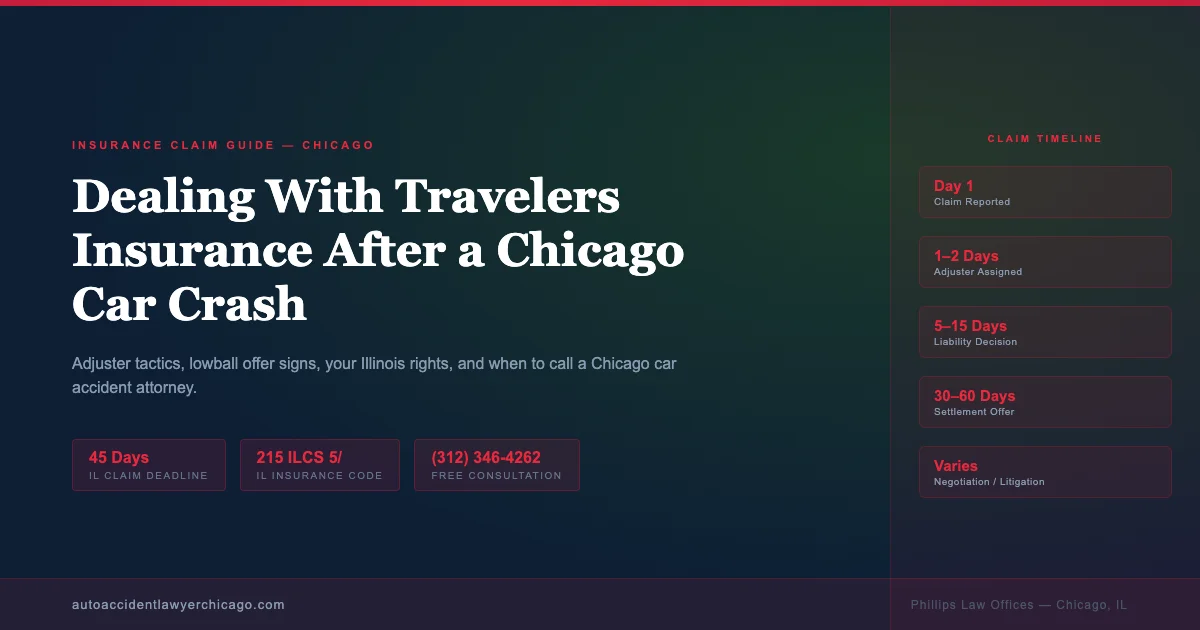
    StageTypical TimeframeWhat to Watch For
    Claim ReportedDay 1Get a claim number immediately
    Adjuster Assigned1-2 business daysThey may request a recorded statement right away
    Liability Determination5-15 daysTravelers may try to share fault with you to reduce payout
    Medical Records Requested2-4 weeks after treatmentThey will request full medical history, not just crash-related records
    Initial Settlement Offer30-60 days after injury stabilizesFirst offers are almost always below fair value
    Negotiation PeriodWeeks to monthsThis is where an attorney adds the most value
    Settlement or LitigationVaries widelyFiling suit often moves things significantly faster

    Common Travelers Adjuster Tactics

    Travelers adjusters are professional negotiators. Most accident victims are not. That imbalance is intentional. Here are the tactics I see most often in Chicago-area Travelers claims:

    • The early recorded statement request. Adjusters will call within days of the crash and ask to record your account of events. Anything you say can be used to minimize your claim. You are not required to give a recorded statement to the other driver’s insurer.
    • Suggesting your injuries are pre-existing. Travelers will request your full medical history looking for prior back, neck, or joint issues. Even if you had a prior condition, Illinois law still entitles you to compensation if the crash aggravated it.
    • Lowball offers framed as reasonable. An adjuster might present a settlement as “what our analysis shows is fair” while leaving out future medical costs, lost earning capacity, and pain and suffering.
    • Encouraging you not to hire an attorney. Adjusters sometimes tell claimants that hiring a lawyer “slows things down” or “takes money out of your pocket.” Research consistently shows represented claimants recover more even after attorney fees.
    • Delays when you push back. If you decline an early offer, expect communication gaps, requests for redundant documentation, and general delay tactics designed to pressure you into settling.

    What Travelers Pays (and Doesn’t)

    Travelers will typically cover economic damages that are clearly documented: medical bills, property damage, and lost wages with appropriate verification. Where claims get disputed is on non-economic damages, future medical needs, and any gray-area liability situations.

    Travelers generally does not volunteer compensation for:

    • Future medical treatment and therapy costs beyond what they consider “necessary”
    • Loss of enjoyment of life and emotional distress
    • Pain and suffering beyond a multiple of your medical bills
    • Lost earning capacity if you cannot document every specific shift or project you missed
    • Out-of-pocket costs like rideshare to medical appointments, home care, or prescription copays

    In my experience, Travelers is one of the insurers most likely to make a fast initial offer, specifically because they know injured people are dealing with medical bills and income loss. Speed is a strategy, not a courtesy. The right move is to wait until you reach maximum medical improvement before accepting anything, no matter how reasonable the first number sounds.

    Your Rights Under Illinois Law

    Illinois gives accident victims meaningful legal protections when dealing with insurers like Travelers. Under the Illinois Insurance Code (215 ILCS 5/), insurers must:

    • Acknowledge a claim within 15 days of receiving notice
    • Accept or deny a claim within 45 days of receiving proof of loss
    • Not engage in unfair settlement practices, including making unreasonably low offers
    • Provide a written explanation if a claim is denied or a settlement is offered below the claimed amount

    Illinois also operates under a modified comparative fault rule. If Travelers argues you were partially at fault for the crash, your compensation is reduced by your percentage of fault, but you can still recover as long as you were not more than 50 percent at fault. This is important because Travelers adjusters often try to assign you 20 or 30 percent of fault as a negotiating tactic.

    The Illinois Department of Insurance (IDOI) regulates Travelers and all insurers doing business in the state. You can file a complaint with IDOI at doi.illinois.gov if you believe Travelers is acting in bad faith or violating your rights under the Illinois Insurance Code.


    When to Hire an Attorney for a Travelers Claim

    You should strongly consider hiring a Chicago car accident attorney if any of the following apply to your situation:

    • Your injuries required emergency care, hospitalization, surgery, or ongoing treatment
    • You missed work or expect to miss future work due to your injuries
    • Travelers is disputing liability or claiming you share fault
    • Travelers denied your claim or is not responding in a timely way
    • You received a settlement offer that does not cover all your medical bills
    • You are unsure what your claim is actually worth
    • Travelers requested a recorded statement before you had legal advice

    At Phillips Law Offices, we handle Travelers Insurance claims on a contingency fee basis, meaning you pay nothing unless we recover compensation for you. Call us at (312) 346-4262 for a free consultation.

    Frequently Asked Questions

    Do I have to give Travelers Insurance a recorded statement?

    If Travelers is the other driver’s insurer, you have no legal obligation to give them a recorded statement. If Travelers is your own insurer, your policy may require you to cooperate, but you should consult an attorney about the scope of that obligation before agreeing to any recording. Recorded statements are routinely used to find inconsistencies that reduce or deny claims.

    How long does Travelers have to settle a claim in Illinois?

    Under 215 ILCS 5/ (the Illinois Insurance Code), Travelers must acknowledge a claim within 15 days and accept or deny it within 45 days of receiving proof of loss. If they fail to meet these deadlines or engage in unreasonable delay tactics, you can file a complaint with the Illinois Department of Insurance or pursue a bad faith claim.

    What if Travelers says I was partly at fault for the accident?

    Illinois follows a modified comparative fault rule under 735 ILCS 5/2-1116. If Travelers claims you were 20 percent at fault, your recovery is reduced by 20 percent. You can still recover as long as your fault does not exceed 50 percent. An attorney can challenge Travelers’ fault allocation with accident reconstruction evidence, police reports, and witness statements.

    Can Travelers access my full medical history?

    Travelers will ask you to sign a broad medical authorization form that gives them access to records well beyond your crash-related treatment. You are not required to sign a blanket authorization. An attorney can help you provide records relevant to your claim while protecting your privacy and preventing Travelers from mining unrelated history to minimize your settlement.

    Is it worth hiring an attorney for a Travelers claim?

    For minor fender-benders with no injuries, you may handle the claim yourself. For any injury claim, the answer is almost always yes. Studies show that represented claimants receive significantly higher net settlements even after attorney fees. Travelers’ adjusters have handled thousands of claims; most injured people are navigating this for the first time. That experience gap costs claimants real money.

    Authoritative Sources

    Related Illinois Injury Guides

    If Travelers Insurance is handling your Chicago car accident claim, do not go through the process alone. Call Phillips Law Offices at (312) 346-4262 for a free, no-obligation consultation with a Chicago car accident attorney who knows how Travelers operates.

    Related guides on dealing with the insurance company

    Talk to a Chicago car accident lawyer. Phillips Law Offices offers a free case review, and there is no fee unless we recover for you. Call (312) 346-4262 or request a free case review.

    This article is general information about Illinois law, not legal advice, and reading it does not create an attorney-client relationship. Illinois law changes; confirm anything you intend to rely on with a licensed Illinois attorney.
  • Semi-Truck Wrongful Death Claims in Illinois

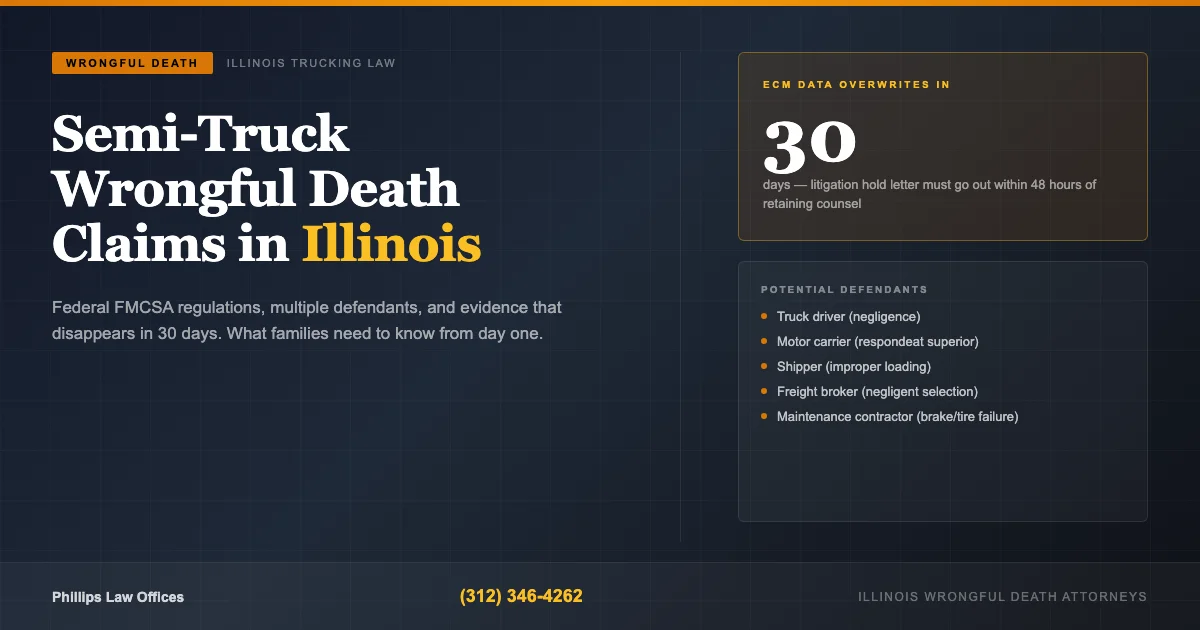
    Semi-Truck Wrongful Death Claims in Illinois

    Short answer: A semi-truck wrongful death case in Illinois involves the Illinois Wrongful Death Act (740 ILCS 180/), federal FMCSA trucking regulations, and often four or more potential defendants, including the driver, the motor carrier, the shipper, and the maintenance contractor. Evidence from the truck’s black box and electronic logging device can be overwritten within 30 days. The personal representative of the estate brings the claim, and surviving family members can recover pecuniary losses including financial support, household services, and loss of companionship. Acting within the first 48 hours to preserve data is not optional; it is the difference between a complete case and one built on incomplete facts.

    In my experience handling Illinois truck accident cases, wrongful death claims involving semi-trucks are among the most factually complex cases that come through our office. The stakes are the highest they can be, the evidence is time-sensitive in ways that do not apply to ordinary car accidents, and the insurance coverage stacked behind a commercial motor carrier is substantial enough that carriers have strong financial incentives to minimize or dispute liability from the moment of the crash. Families who have just lost someone need to understand what the law allows them to pursue and why the first hours and days of the case matter so much.

    The Illinois Wrongful Death Act: Who Can Sue and What Can Be Recovered

    Illinois wrongful death claims are governed by the Illinois Wrongful Death Act, 740 ILCS 180/. The statute creates a cause of action that did not exist at common law. Key elements:

    • Who brings the claim: The personal representative of the decedent’s estate files the wrongful death action. This is the executor or administrator named in the will or appointed by the probate court. The personal representative acts on behalf of the surviving spouse and next of kin, who are the actual beneficiaries of any recovery.
    • Beneficiaries: The surviving spouse, children, parents, and siblings are the next of kin who share in the wrongful death recovery. Illinois courts apportion the recovery among beneficiaries based on the pecuniary loss each has suffered.
    • Recoverable damages: The Wrongful Death Act limits recovery to pecuniary loss, which includes financial support the decedent would have provided, the monetary value of household services, and the loss of society and companionship. Illinois courts have interpreted society and companionship broadly to include the full range of the relationship between the decedent and surviving family members.
    • Pain and suffering of the decedent: The Wrongful Death Act does not cover the decedent’s pre-death pain and suffering. That claim is a survival action brought under the Survival Act, 755 ILCS 5/27-6, and belongs to the estate. If the decedent survived the crash for any period before death, the survival action may include conscious pain and suffering, medical expenses, and lost earnings from the time of injury to death. Both the wrongful death claim and the survival action are typically pursued together.
    • Statute of limitations: Illinois wrongful death claims must be filed within two years of the date of death (740 ILCS 180/2). Missing this deadline permanently extinguishes the claim.

    Who Can Be Held Liable: Multiple Defendants in a Truck Crash Death

    A semi-truck wrongful death case almost never involves just one defendant. Federal and state law, combined with how the trucking industry structures its business relationships, creates multiple paths to liability:

    The Driver: The truck driver is liable for negligence in operation, including speeding, following too closely, distracted driving, fatigue (if hours of service were violated), failure to yield, or unsafe lane changes. Driver negligence is the starting point, but rarely the ending point.

    The Motor Carrier: The trucking company is liable under respondeat superior if the driver is a company employee operating within the scope of employment. If the driver is an independent contractor, the carrier may still be liable under a theory of negligent entrustment (failing to investigate the driver’s qualifications), negligent hiring, or negligent supervision. Federal regulations impose non-delegable duties on motor carriers for vehicles operated under their authority regardless of the driver’s employment classification. This is a critical distinction: carriers cannot escape liability by misclassifying drivers as independent contractors when the carrier controls the work.

    The Shipper or Cargo Owner: If the cargo was improperly loaded, overloaded, or improperly secured, and that condition contributed to the accident (a shifting load that caused a rollover, for example, or an overweight truck with compromised braking), the party responsible for loading the trailer may share liability. Federal weight regulations under 49 CFR Part 393 set maximum allowable weights; an overweight load that contributed to brake failure creates liability for the shipper.

    The Freight Broker: Under the theory recognized in cases like Sperl Trucking Inc. v. Underwriters at Lloyd’s, freight brokers who negligently select motor carriers (for example, by selecting a carrier with a history of safety violations or an out-of-service record) can be held liable for negligent carrier selection. FMCSA’s SAFER system provides publicly available carrier safety data; a broker who failed to check it before booking a carrier with a poor safety record has a difficult position to defend.

    The Maintenance Contractor: If the truck was inspected or maintained by a third-party maintenance company and a mechanical failure caused by that company’s negligent work contributed to the crash (brake failure, tire blowout, steering defect), that company is a defendant. Federal inspection and maintenance standards at 49 CFR Part 396 define the duty of care for vehicle inspection and maintenance.

    DefendantTheory of LiabilityKey Evidence
    Truck DriverNegligence in operation (speeding, fatigue, distraction, HOS violation)ELD data, logbooks, cell phone records, toxicology, police report
    Motor Carrier (employer)Respondeat superior (employee driver); negligent hiring/supervision/entrustment (contractor driver)Driver qualification file, hiring records, training records, FMCSA safety rating, prior violations
    Shipper/Cargo OwnerNegligent loading, improper securing, overweight cargoBills of lading, weight tickets, cargo inspection records, loading records
    Freight BrokerNegligent carrier selectionBroker’s carrier vetting records, SAFER system data at time of booking, contract between broker and carrier
    Maintenance ContractorNegligent inspection or repair; failure to identify defectMaintenance logs, inspection records, parts records, DVIR (driver vehicle inspection report)

    Federal Motor Carrier Safety Administration regulations are incorporated into Illinois negligence law as the standard of care for commercial trucking operations. Violations of FMCSA regulations are evidence of negligence per se in Illinois courts. The regulations most frequently at issue in wrongful death cases:

    49 CFR Part 395: Hours of Service. Federal regulations strictly limit how many hours a commercial driver may operate per day and per week without rest. A driver who operated beyond these limits and caused a fatigue-related crash has violated a federal safety regulation designed to prevent exactly that outcome. Electronic logging devices (ELDs) have been federally mandated since December 2017 for most commercial motor vehicles, replacing paper logbooks that were far easier to falsify. ELD data creates a contemporaneous record of driving time, duty status, and location.

    49 CFR Part 391: Driver Qualifications. This regulation sets minimum qualifications for commercial drivers: valid CDL, medical certificate issued by a certified medical examiner, drug and alcohol testing (pre-employment, random, post-accident, reasonable suspicion), and review of prior driving record. A carrier that put an unqualified driver behind the wheel, or failed to conduct required drug testing, has violated this regulation.

    49 CFR Part 396: Vehicle Inspection, Repair, and Maintenance. Carriers are required to systematically inspect, repair, and maintain all vehicles under their control. Drivers must complete a driver vehicle inspection report (DVIR) after each day’s work, noting any defects. Known defects must be repaired before the vehicle is returned to service. A brake system defect that was noted in a DVIR and not repaired before the fatal crash is direct evidence of regulatory violation.

    49 CFR Part 393: Parts and Accessories Necessary for Safe Operation. This regulation covers brakes, lighting, tires, coupling devices, cargo securement, and other equipment. A tire in violation of tread depth minimums, or brakes out of adjustment, at the time of the crash is a regulatory violation that supports both negligence per se and a direct liability claim against the carrier.

    The 48-Hour Evidence Window: Why the Litigation Hold Letter Cannot Wait

    “The first call I make after being retained in a semi-truck wrongful death case is not to the insurance company. It is to the motor carrier’s registered agent, by overnight mail and email, with a litigation hold letter demanding preservation of every piece of evidence the carrier controls: the truck’s ECM data, the ELD records, the driver’s qualification file, maintenance logs, inspection records, dispatch records, and communications. Commercial truck ECM (event data recorder) systems typically overwrite data on a 30-day loop. By the time a family has buried their loved one and retained an attorney 45 days after the crash, the ECM data capturing pre-crash speed, braking, throttle position, and engine load may already be gone. The litigation hold letter creates a legal duty to preserve. If the carrier destroys evidence after receiving the letter, the family’s attorney moves for a spoliation instruction, which tells the jury it may presume the destroyed evidence was unfavorable to the carrier.”

    The ECM (event data recorder) and ELD are the truck’s equivalent of an airplane’s flight data recorder. ECM data captures the seconds before impact: vehicle speed, brake application, throttle position, engine RPM, and cruise control status. This data can prove or disprove a driver’s account of the crash. ELD data provides hours of service compliance over the preceding 180 days. Together, these two data sources are often the most powerful evidence in a truck crash case.

    Beyond the electronic data, physical evidence also needs to be preserved: the truck itself (for inspection by an accident reconstruction expert), tire remnants, cargo load records, and the scene itself. In some cases, hiring an accident reconstruction firm within the first week to document the scene before evidence is cleaned up or weather conditions change is necessary.

    Expert Witnesses Required in a Semi-Truck Wrongful Death Case

    Wrongful death cases involving commercial trucks require specialized expert testimony to translate the technical evidence into findings a jury can evaluate:

    • Accident reconstruction expert: Analyzes physical evidence (skid marks, vehicle damage, gouge marks, debris field), ECM data, and crash dynamics to determine pre-impact speed, point of impact, and the mechanics of the collision. Testifies about how the crash occurred and what the driver could and should have done differently.
    • FMCSA compliance expert (trucking industry expert): A former trucking safety director or commercial vehicle safety specialist who reviews the carrier’s practices against federal regulations and testifies about which regulations were violated and what industry-standard practices require. This witness connects the federal regulatory framework to the specific failures in your case.
    • Life care planner (in survival action component): If the decedent survived for a period requiring medical care, a life care planner quantifies future medical needs and costs that were foreclosed by the death.
    • Economist: Calculates the present value of the decedent’s lost future earnings and financial contributions to the family over the decedent’s projected working life, reduced to present value. Also calculates the value of household services the decedent would have provided.

    If you have lost a family member in a semi-truck crash in Illinois, call Phillips Law Offices at (312) 346-4262. We handle wrongful death cases throughout Chicago and the surrounding counties and can send a litigation hold letter on your behalf within hours of being retained.

    Frequently Asked Questions About Semi-Truck Wrongful Death Claims in Illinois

    Who can file a wrongful death lawsuit after a fatal truck accident in Illinois?

    Under 740 ILCS 180/2, the personal representative of the decedent’s estate files the wrongful death action. If the decedent left a will, the executor named in the will typically serves as personal representative after the will is admitted to probate. If there is no will, the probate court appoints an administrator, often the surviving spouse or an adult child. The personal representative brings the action on behalf of all surviving next of kin who are beneficiaries, including the spouse, children, and parents. An attorney can assist with the appointment of a personal representative if that step has not already occurred.

    How long does the family have to file a wrongful death lawsuit in Illinois?

    The Illinois Wrongful Death Act (740 ILCS 180/2) sets a two-year statute of limitations running from the date of death. In most cases, this means you have two years from the day your family member died, not from the date of the crash (though in a fatal crash, those dates are often the same). Missing this deadline is permanent; courts do not extend it in ordinary circumstances. The survival action has its own limitations period, which also warrants review with an attorney as soon as possible given the complexity of truck crash cases.

    How much is a semi-truck wrongful death case worth in Illinois?

    There is no standard value because every case turns on the specific facts of the decedent’s age, income, relationships, and life expectancy, combined with the strength of the liability case against the defendants. Illinois law caps non-economic damages in medical malpractice cases but not in personal injury or wrongful death cases arising from truck crashes. Verdicts and settlements in fatal Illinois truck cases have ranged from hundreds of thousands of dollars to tens of millions depending on the earning capacity of the decedent, the number of dependents, the clarity of liability, and the degree of corporate misconduct involved. A realistic valuation requires a full case evaluation, not a general estimate.

    Can the trucking company be held responsible even if the driver was an independent contractor?

    Often yes. Federal regulations impose non-delegable duties on motor carriers for vehicles operated under their operating authority, regardless of how the driver is classified. Additionally, if the carrier failed to verify the driver’s qualifications, failed to conduct required drug testing, or exercised sufficient control over the driver’s work, courts may find the carrier directly liable even without an employer-employee relationship. The motor carrier’s insurance policy also typically covers drivers operating under the carrier’s authority, regardless of employment classification, under federal financial responsibility rules (49 CFR Part 387).

    What if the truck driver was also killed in the crash?

    The driver’s death does not eliminate liability. The motor carrier, the driver’s estate, and other responsible parties (shipper, maintenance contractor, freight broker) remain as defendants. The carrier’s commercial auto liability policy, which federal regulations require to carry minimum limits of $750,000 for most general freight operations and $1,000,000 or more for hazardous materials, is the primary source of recovery regardless of whether the driver survived. The carrier’s insurer defends the claim and pays any judgment or settlement within policy limits.

    Authoritative Sources

    Related Illinois Injury Guides

    Crashes with commercial vehicles run on different rules and a faster evidence clock. See our Chicago truck accident lawyer page.

    Every guide in our series on wrongful death claims

    Talk to a Chicago wrongful death lawyer. Phillips Law Offices offers a free case review, and there is no fee unless we recover for you. Call (312) 346-4262 or request a free case review.

    This article is general information about Illinois law, not legal advice, and reading it does not create an attorney-client relationship. Illinois law changes; confirm anything you intend to rely on with a licensed Illinois attorney.
  • Dealing With Erie Insurance After a Chicago Car Crash

    Dealing With Erie Insurance After a Chicago Car Crash

    Short answer: Erie Insurance handles Illinois auto claims through independent agents rather than a direct-sales model, which changes how claims are managed and how adjusters are incentivized. On property damage, Erie moves quickly and routes repairs through its preferred shop network. On bodily injury, especially soft-tissue injuries, Erie’s initial settlement offers routinely fall short of full value. If Erie is unreasonably delaying or denying your covered claim, Illinois bad-faith law at 215 ILCS 5/155 allows you to pursue attorney fees and penalties. An experienced attorney can force a realistic valuation before you sign anything.

    In my experience handling Illinois car accident cases, Erie Insurance claimants often come in after accepting a property damage check, believing the claim is over, only to discover that the bodily injury portion is still open and the adjuster is already pushing a fast settlement offer. Erie’s independent-agent model means the adjuster you speak with is not necessarily a direct Erie employee, which affects accountability. Understanding how the company operates from the first call forward gives you a meaningful advantage.

    How Erie Insurance Operates in Illinois

    Erie Insurance is a regional carrier headquartered in Erie, Pennsylvania. Unlike Allstate, State Farm, or GEICO, Erie does not sell policies directly to consumers in most markets. In Illinois, coverage is distributed through a network of independent insurance agencies. This structure has real consequences for claimants:

    • Your policy agent is not Erie’s employee. The agent who sold you the policy works independently. Complaints and escalations go to Erie’s regional claims office, not the agent’s desk.
    • Adjuster accountability differs from direct carriers. Because independent agents refer customers to Erie and depend on Erie for their book of business, there is sometimes less friction in early claim stages, but the bodily injury adjustment is handled by Erie’s internal claims staff who answer to Erie’s loss ratios, not the local agent.
    • Erie covers about 12 states and Washington D.C. It is a major carrier in the Midwest and Mid-Atlantic but does not have the nationwide infrastructure of the largest carriers. Illinois policyholders and claimants deal with Erie’s regional adjusting staff.

    None of this makes Erie worse or better than other carriers as a matter of policy quality. What it means is that the claims experience differs from what you might expect from a carrier whose agent is directly responsible for your claim outcome.

    Property Damage: Erie’s Preferred Shop Network

    Erie maintains relationships with preferred body shops through a program that allows faster estimates and direct billing. On the surface, this benefits claimants by speeding up the repair process. There are trade-offs worth knowing:

    • You are not required to use a preferred shop. Illinois law does not compel you to use an insurer’s network shop. If you have a long-standing relationship with an independent body shop or the dealership where you bought your vehicle, you can take your car there. Erie may request its own estimate and pay based on the lower figure, which is why getting your own estimate from a trusted shop matters.
    • Parts quality can be an issue. Preferred shop agreements sometimes allow or encourage the use of aftermarket or reconditioned parts rather than OEM (original equipment manufacturer) parts. If your vehicle is newer or has a remaining manufacturer warranty, using non-OEM parts can affect both quality and warranty coverage. Specify OEM parts in writing if this matters to your situation.
    • Total loss valuation. Erie uses third-party valuation software (commonly CCC ONE or similar) to determine actual cash value on total losses. These systems sometimes produce valuations that understate market value for your specific vehicle in the Chicago market. You have the right to dispute the valuation with comparables from local listings.

    Bodily Injury Claims: Where Erie Often Falls Short

    Erie’s adjusters are trained to resolve bodily injury claims quickly. Speed is not the problem. The problem is that fast settlement on a soft-tissue injury almost always means settlement before the full scope of injury is known.

    In Illinois rear-end crashes and intersection collisions, the most common injuries are cervical and lumbar sprains, disc herniations, and nerve impingement, conditions that may not reach maximum medical improvement for months or longer. Erie’s initial settlement offer often arrives before diagnostic imaging is complete or before physical therapy has concluded. If you accept that offer and sign the release, you cannot reopen the claim even if an MRI later reveals a disc herniation that requires injection or surgery.

    Specific patterns worth knowing:

    • Erie calculates pain and suffering using a multiplier applied to medical specials. If your medical bills are low because you delayed treatment or your injury resolved quickly, their multiplier produces a low number regardless of the real impact on your life.
    • Lost wages require documentation Erie will scrutinize. Self-employed claimants face particular challenges because Erie adjusters request tax returns, business records, and evidence of specific missed work or contracts. W-2 employees should gather pay stubs and employer letters early.
    • Future medical expenses are frequently excluded from early offers. If your treating physician recommends additional physical therapy, pain management, or possible surgery, an offer that does not account for those projected costs is incomplete.

    Illinois Bad-Faith Law and What It Means for Erie Claims

    Illinois Insurance Code Section 155, codified at 215 ILCS 5/155, gives policyholders a private right of action when an insurer unreasonably delays or denies a covered claim. The statute allows a court to award:

    • Attorney fees
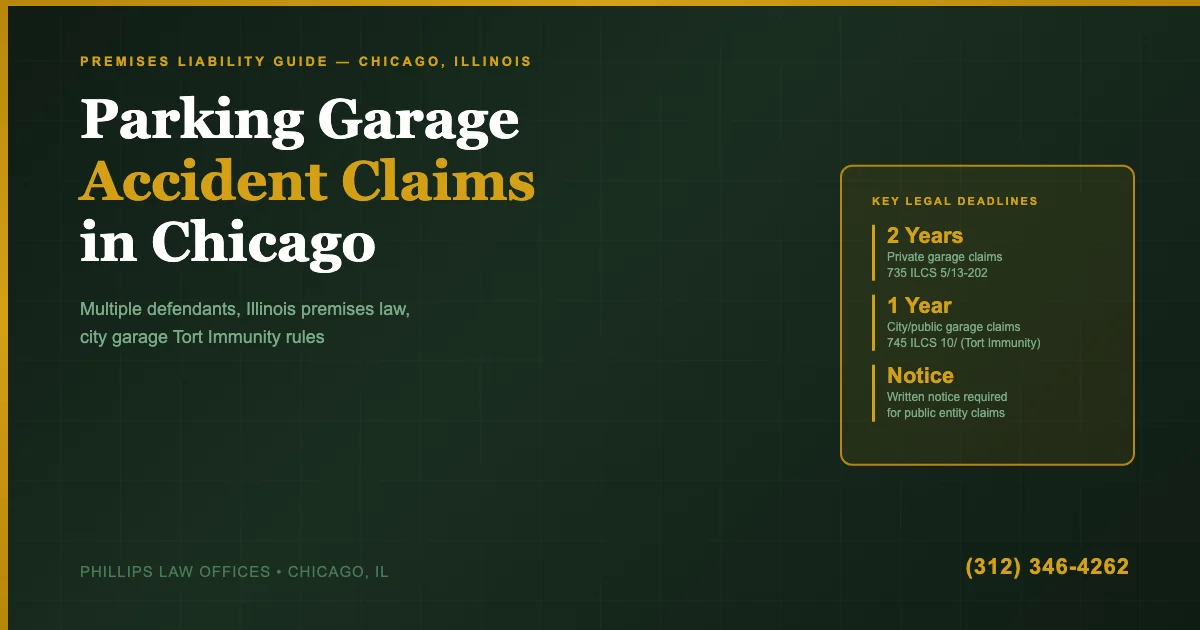
    • A penalty capped at the lesser of 60 percent of the amount the court finds you are entitled to recover, $60,000, or the amount by which your recovery exceeds any pre-suit offer
    • Other costs

    Section 155 applies to your own Erie policy, not to a third-party claim against another driver’s Erie policy. However, it is a meaningful lever when Erie is handling your own first-party claim (collision, UM/UIM, or medical payments coverage) and stalling without reasonable grounds. Illinois courts have applied Section 155 in cases where insurers used pretextual investigations to delay legitimate claims, demanded documentation they knew was unavailable, or made lowball offers knowing coverage clearly applied.

    If you believe Erie is acting in bad faith on your own policy claim, document every contact, every request for documents, every deadline given and missed. Those records become the foundation of a Section 155 claim.

    UM/UIM Coverage: When Your Erie Policy Is Your Primary Recovery

    Erie offers competitive uninsured and underinsured motorist (UM/UIM) coverage. Illinois requires insurers to offer UM/UIM at the same limits as liability, though policyholders may reject higher UM/UIM limits in writing (215 ILCS 5/143a-2).

    If the at-fault driver in your crash carries minimum Illinois liability limits ($25,000 per person) but your injuries and lost wages exceed that amount, your own Erie UIM policy pays the gap up to your UIM limit. This is often the most important coverage in serious injury cases involving underinsured drivers.

    Key considerations for UM/UIM claims with Erie:

    • You must typically exhaust the at-fault driver’s liability limits before Erie’s UIM coverage applies, or obtain Erie’s consent to settle with the at-fault carrier without prejudicing Erie’s subrogation rights.
    • Erie will investigate your UIM claim independently, reviewing your medical records, wages, and liability facts. Their interest is in minimizing their UIM payout, not in agreeing with your demand.
    • Arbitration clauses are common in Erie UM/UIM policies. Illinois law provides certain protections around arbitration in insurance contracts, but the process differs meaningfully from civil litigation.
    Erie Claim StageWhat to Watch ForRecommended Action
    First adjuster contact (within 24-72 hours)Request for recorded statement, quick property damage inspection scheduledDecline recorded statement until you have counsel; accept property inspection
    Property damage estimatePreferred shop referral, possible aftermarket parts, low total-loss valuationGet independent estimate; specify OEM parts; dispute ACV with market comparables
    Early bodily injury contact (within 1-2 weeks)Settlement offer before treatment is complete, release presented with checkDo not sign release; inform adjuster treatment is ongoing; consult an attorney
    Medical records requestBroad authorization covering records beyond this accidentProvide only records related to this injury; have attorney review the authorization
    Demand evaluation (after treatment ends)Adjuster counters with figure below your demand, cites injury severity as lowDocument all basis for your demand; be prepared to negotiate or litigate
    UM/UIM stage (if at-fault driver underinsured)Erie investigating independently, possible arbitration demandNotify Erie of intent to settle with at-fault carrier; get Erie’s written consent

    Not every Erie claim requires a lawyer. If you have a minor fender-bender, no injuries, and property damage that is being handled fairly, handling it yourself is reasonable. Attorney involvement makes a concrete difference when:

    • Your injuries required emergency care, imaging, or specialist treatment
    • You missed work or anticipate missing future work
    • Erie has presented a settlement offer before your treatment is complete
    • Erie is requesting a recorded statement (you have no obligation to give one to the opposing carrier)
    • You have a UM/UIM claim on your own Erie policy
    • Erie has denied coverage or is delaying without reasonable explanation

    “The signed release is the end of your claim. Once you accept a settlement check and sign Erie’s release form, the claim is closed permanently. In cases where the full injury picture is still developing, signing early is the single most costly mistake I see clients make. The right time to settle is after treatment is complete, after all bills and wage loss records are gathered, and after an attorney has evaluated whether the offer reflects actual case value.”

    Attorneys handling Illinois personal injury cases work on contingency, meaning no fees unless there is a recovery. Initial consultations are free. There is no financial risk in getting an evaluation before deciding whether to settle.

    To speak with an attorney about an Erie Insurance claim, call Phillips Law Offices at (312) 346-4262. We handle car accident claims throughout Chicago and the surrounding Illinois counties.

    Frequently Asked Questions About Erie Insurance Claims in Illinois

    Do I have to give Erie Insurance a recorded statement?

    If you are a third-party claimant (injured by someone else who has Erie insurance), you have no legal obligation to give Erie a recorded statement. Erie will likely request one and may imply that cooperation is required to process your claim. It is not. If you have your own Erie policy, your policy contains a cooperation clause that may require you to cooperate with your own carrier’s investigation, but even then you have the right to have an attorney present and to understand exactly what is being recorded before you speak.

    How long does Erie have to respond to a claim in Illinois?

    Illinois law (215 ILCS 5/154.6) requires insurers to acknowledge a claim within a reasonable time and to accept or deny coverage within a reasonable period after receiving proof of loss. In practice, Illinois regulators and courts have found that delays of more than 30-45 days without reasonable justification can support a finding of unreasonable delay. Erie is generally responsive in the early stages but may slow down on bodily injury claims when the value is contested.

    Can I negotiate with Erie on a total loss valuation?

    Yes. Erie’s total loss valuation is a starting point, not a final number. You can dispute it by providing comparables: listings for vehicles of the same make, model, year, mileage, and condition sold in the Chicago area. Services like Kelley Blue Book, Edmunds, and local dealer listings all support a counter-valuation. If negotiations fail, Illinois provides a dispute resolution process and you retain the right to pursue litigation over the difference.

    What is Erie’s reputation on soft-tissue claims compared to other carriers?

    Erie is similar to most regional carriers in that it applies conservative valuation formulas to soft-tissue injuries. Erie adjusters are often quicker to reach out and make an early offer than some larger national carriers, but that speed comes at the price of completeness. Their initial offers on whiplash or lumbar strain cases tend to be based on a low multiplier of medical specials and frequently do not account for future treatment. This pattern is consistent across the Illinois claims market, not unique to Erie, but it is particularly pronounced when treatment is still ongoing at the time of the offer.

    Does hiring an attorney hurt my relationship with Erie or slow my claim?

    No. Illinois law protects your right to have legal representation at any stage of a claim. Once you retain an attorney, all communication from Erie routes through the attorney’s office, which removes pressure on you to respond quickly or make statements without advice. In practice, represented claimants receive more thorough evaluations and higher settlements than unrepresented ones on comparable injuries, because attorneys know how to document and present the full scope of damages.

    Authoritative Sources

    Related Illinois Injury Guides

    Related guides on dealing with the insurance company

    Talk to a Chicago car accident lawyer. Phillips Law Offices offers a free case review, and there is no fee unless we recover for you. Call (312) 346-4262 or request a free case review.

    This article is general information about Illinois law, not legal advice, and reading it does not create an attorney-client relationship. Illinois law changes; confirm anything you intend to rely on with a licensed Illinois attorney.
  • Parking Garage Accident Claims in Chicago

    Parking Garage Accident Claims in Chicago

    Short answer: Parking garage accidents in Chicago can involve multiple responsible parties: the garage operator, property owner, maintenance contractor, and in some cases the City of Chicago or a public authority. Injured victims may have claims under Illinois premises liability law, negligent security doctrine, or the Illinois Tort Immunity Act depending on who owns and operates the structure. The rules differ significantly between private garages and city-operated or Chicago Park District facilities, including a much shorter statute of limitations.

    In my experience handling Illinois injury cases, parking garage accidents are among the most legally complex because they typically involve more than one defendant and more than one legal theory. A pedestrian struck by a backing vehicle faces both a negligent driver and potentially a garage that failed to install adequate traffic controls or warning systems. A person who slips on oil, water, or ice in a garage stairwell faces a premises liability claim against the operator, owner, or maintenance contractor. These cases require identifying every responsible party early, because delays can result in missed notice deadlines, spoliated evidence, and lost surveillance footage. This guide walks through the most common parking garage injury scenarios in Chicago, the applicable Illinois law, and what steps to take immediately after an accident.

    Common Types of Parking Garage Accidents in Chicago

    Parking garages create a specific combination of hazards: moving vehicles in tight spaces, pedestrian foot traffic, poor lighting, wet or oily surfaces, and in some areas, a history of criminal activity. The most common injury scenarios include:

    • Pedestrian struck by vehicle: A driver backs out of a space or navigates a ramp without adequate visibility or warning signals. The driver may be liable for negligence, but if the garage lacked proper traffic controls, signage, or mirrors at blind corners, the garage operator may share liability.
    • Slip and fall on oil, water, or ice: Fluid leaks from vehicles, rainwater tracked in from ramps, and ice accumulation on exposed levels create slip hazards. Under the Illinois Premises Liability Act (740 ILCS 130/), paying customers are invitees and are owed the highest duty of care: the operator must inspect and maintain the premises or warn of known hazards.
    • Assault and negligent security: Parking garages are frequent sites of robbery and assault, particularly in poorly lit or unattended structures. If prior criminal incidents occurred in or near the garage and the operator failed to respond with adequate security measures, lighting, or camera systems, a negligent security claim may be viable.
    • Carbon monoxide exposure: In enclosed or partially enclosed garages, ventilation failures can allow exhaust to accumulate. Prolonged exposure to carbon monoxide can cause serious neurological injury. The operator and any maintenance contractor responsible for the ventilation system may be liable.
    • Structural failure: Collapsed ramps, failing cable barriers, crumbling concrete, and broken stairwell railings can cause catastrophic injuries. Liability may extend to the property owner, the original structural engineer, and any contractor who performed maintenance or repair.

    Who Can Be Held Liable in a Chicago Parking Garage Accident

    Multiple parties may bear legal responsibility for a parking garage injury, and identifying all of them is essential to maximizing recovery. The potential defendants in most Chicago parking garage cases include:

    • The garage operator: The company or individual that manages day-to-day operations, including staffing, inspection, maintenance scheduling, and security protocols, is typically the primary defendant in a premises liability claim.
    • The property owner: Even if the owner leases the garage to an operator, the owner may retain liability for structural conditions, major maintenance, and capital improvements. Lease agreements and property records will clarify the division of responsibility.
    • Maintenance contractors: If a third party was hired to handle cleaning, lighting, HVAC systems, or structural repairs, that contractor may be directly liable for negligent work or failure to identify hazards.
    • The negligent driver: In pedestrian-struck or vehicle collision cases, the at-fault driver’s personal auto insurance is typically the primary source of recovery. The garage’s liability does not diminish the driver’s responsibility.
    • The City of Chicago or a public authority: If the garage is operated by the Chicago Park District, CTA, the City of Chicago, or another public entity, a separate legal framework applies, detailed in the next section.

    Illinois Premises Liability Act and the Invitee Standard

    Illinois premises liability law is codified at 740 ILCS 130/. The statute establishes that the duty owed to a person on someone else’s property depends on that person’s status: trespasser, licensee, or invitee. A paying customer in a commercial parking garage is an invitee, which carries the highest duty of care.

    Under the invitee standard, the garage operator must: (1) use reasonable care to maintain the premises in a reasonably safe condition, (2) inspect the premises to discover dangerous conditions, and (3) either repair the condition or provide adequate warning to visitors. This is an ongoing duty, not a one-time obligation. If a garage operator fails to inspect stairwells, ignores reported hazards, or leaves ice or fluid spills unaddressed for an unreasonable period, they have breached their duty to invitees.

    For slip and fall claims involving ice or snow specifically, Illinois courts require that the property owner or operator have actual or constructive notice of the condition. Constructive notice means the condition existed long enough that a reasonable inspection would have discovered it. If ice forms on an exposed ramp level overnight and no inspection occurs before the garage opens to customers, constructive notice is a viable argument.

    Paying customers in a commercial parking garage are invitees under 740 ILCS 130/. That status carries the highest duty of care under Illinois law. When a garage operator fails to inspect, fails to warn, and fails to maintain safe conditions, that failure is not just negligence in the abstract, it is a legal breach that can form the basis of a personal injury claim.

    City-Operated Garages: Tort Immunity Act and Special Rules

    If the parking garage is owned or operated by a governmental entity, including the City of Chicago, the Chicago Park District, or the Chicago Transit Authority, the Illinois Tort Immunity Act applies. This changes the claim process in two critical ways.

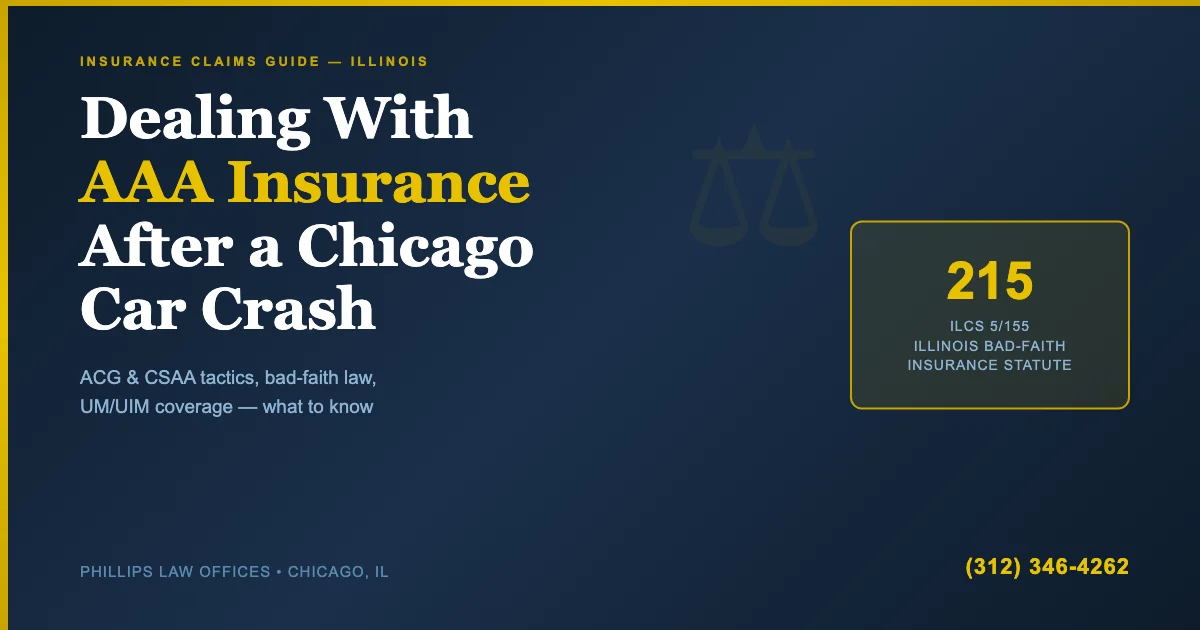
    First, the statute of limitations is shorter. Under 745 ILCS 10/, personal injury claims against local public entities must be filed within one year of the injury, compared to the standard two-year period for private defendants under 735 ILCS 5/13-202. Missing the one-year deadline almost always bars your claim permanently.

    Second, the deadline is the filing deadline itself โ€” Illinois repealed the Tort Immunity Act’s pre-suit notice provision in 1986. Specific notice requirements vary by entity. For Chicago Park District claims, for example, the lawsuit must be filed within one year of the injury under 745 ILCS 10/8-101. Failure to provide proper notice is often a complete bar to recovery. If you are injured in a city-owned or district-operated garage, preserving your right to sue requires acting well before the one-year mark.

    The Tort Immunity Act also grants certain immunities to public entities for discretionary acts, such as decisions about where to place security personnel, that private defendants would not have. This does not mean a public garage cannot be held liable, but the legal analysis is more involved and requires an attorney experienced with Illinois public liability law.

    Parking Garage Injury Scenarios and Potentially Liable Parties

    Injury ScenarioPotentially Liable PartiesKey Legal Theory
    Pedestrian struck by reversing vehicleAt-fault driver, garage operator (if poor traffic controls)Driver negligence + premises liability
    Slip on oil or fluid leakGarage operator, maintenance contractorPremises liability (invitee duty), negligent maintenance
    Fall on ice (exposed ramp/roof level)Garage operator, property ownerPremises liability, actual or constructive notice of ice
    Assault or robbery in garageGarage operator, property owner, security contractorNegligent security (foreseeability of crime)
    Carbon monoxide poisoningGarage operator, HVAC maintenance contractorPremises liability, negligent maintenance
    Structural collapse or railing failureProperty owner, operator, structural contractor, engineerPremises liability, construction negligence
    Accident in city-operated garageCity of Chicago, Chicago Park District, CTAIllinois Tort Immunity Act (745 ILCS 10/8-101), 1-year deadline to file suit

    Negligent Security Claims in Chicago Parking Structures

    A parking garage operator’s duty to maintain safe premises extends to protecting customers from foreseeable criminal acts. Negligent security claims in Illinois are analyzed under a foreseeability standard: was the criminal act foreseeable given the history of criminal activity in or near the garage, and did the operator take reasonable steps to address that risk?

    Evidence relevant to a negligent security claim includes: police reports of prior incidents at the same address, city crime statistics for the area, the operator’s own incident logs, the presence or absence of surveillance cameras, whether camera footage was actually monitored in real time, lighting levels (measured against applicable codes), whether an attendant was on duty, and whether the operator had received complaints about security issues before the incident.

    Illinois courts have recognized that parking structures, particularly those in high-traffic urban areas or neighborhoods with documented crime patterns, create a heightened duty to implement reasonable security measures. An operator who knew or should have known about prior criminal incidents in the facility and did nothing is in a difficult legal position.


    What to Do Immediately After a Parking Garage Accident in Chicago

    The steps you take in the hours and days after a parking garage injury can significantly affect your ability to recover compensation. Here is what to do:

    1. Call 911 and get medical attention: Document the injury immediately. A police report establishes the time, location, and initial circumstances of the incident.
    2. Photograph the scene: Capture the hazard that caused the injury, the area lighting, any visible warning signs (or the absence of them), and the surrounding conditions. Do this before any cleanup occurs.
    3. Request surveillance footage in writing: Parking garages retain surveillance video for varying periods, sometimes as little as 24 to 72 hours. Send a written preservation demand to the garage operator and property owner immediately. Once footage is overwritten, it is gone.
    4. Get witness information: Names and contact information for anyone who saw the accident or was nearby. Attendants, valets, and other customers can be important witnesses.
    5. Report the incident to the garage operator: Ask for a copy of any incident report they complete. This creates a record that they were put on notice.
    6. Consult an attorney before giving statements: Garage operators and their insurers may contact you quickly. Do not give a recorded statement or sign any releases before speaking with a lawyer.

    Frequently Asked Questions About Parking Garage Accidents in Illinois

    Can I sue a Chicago parking garage if I was assaulted in it?

    Yes, if the assault was foreseeable and the garage operator failed to take reasonable security precautions. Illinois negligent security law holds property owners and operators responsible when they knew or should have known about criminal activity in the area and failed to implement reasonable measures, such as adequate lighting, working cameras, or attendant coverage. Prior crime reports for the location are critical evidence in these cases.

    How long do I have to file a claim after a parking garage accident in Chicago?

    For private garage operators, the standard two-year statute of limitations applies under 735 ILCS 5/13-202. If the garage is operated by the City of Chicago, the Chicago Park District, or another public entity, you must act within one year under the Illinois Tort Immunity Act (745 ILCS 10/), and there is no separate pre-suit notice step — filing the suit within that year is the requirement. Do not rely on the longer deadline without first confirming who owns and operates the garage.

    What if the driver who hit me in the garage left the scene?

    If the at-fault driver fled without providing insurance information, you have two potential sources of recovery: your own uninsured motorist (UM) coverage, if you carry it, and a potential premises liability claim against the garage if poor traffic controls or visibility contributed to the collision. The garage’s surveillance footage is essential in hit-and-run scenarios both to identify the driver and to document conditions at the time of the accident.

    Is the parking garage responsible if I slipped on ice on an open-air level?

    It depends on notice. Under Illinois premises liability law, the garage operator must have actual or constructive notice of the ice condition. If ice formed overnight and the garage opened without any inspection or de-icing of exposed levels, constructive notice is a reasonable argument. Weather records, the operator’s own maintenance logs, and any prior complaints about ice on the level are all relevant evidence.

    Does Illinois comparative fault affect my parking garage injury claim?

    Yes. Illinois follows a modified comparative fault system under 735 ILCS 5/2-1116. If you are found to be more than 50 percent at fault for your own injury, you cannot recover. If you are 50 percent or less at fault, your recovery is reduced proportionally. Insurance adjusters and defense attorneys routinely argue that injured parties contributed to their own accidents in parking garage cases. Having an attorney document the scene conditions and counter these arguments early is important.

    Authoritative Sources

    Related Illinois Injury Guides

    If you were injured in a Chicago parking garage, call Phillips Law Offices at (312) 346-4262 for a free consultation. We handle premises liability, negligent security, and vehicle accident claims in parking structures throughout the Chicago area.

    Related guides on collision types and fault

    Talk to a Chicago car accident lawyer. Phillips Law Offices offers a free case review, and there is no fee unless we recover for you. Call (312) 346-4262 or request a free case review.

    This article is general information about Illinois law, not legal advice, and reading it does not create an attorney-client relationship. Illinois law changes; confirm anything you intend to rely on with a licensed Illinois attorney.
  • Dealing With AAA Insurance After a Chicago Car Crash

    Dealing With AAA Insurance After a Chicago Car Crash

    Short answer: AAA auto insurance in Illinois is underwritten by two separate entities: Auto Club Group (ACG) for most northern Illinois members and CSAA Insurance Group for others. After a Chicago car crash, AAA adjusters often move quickly on property damage while delaying bodily injury settlements. Understanding their claim process, recognizing low-ball tactics, and knowing when Illinois bad-faith law applies can make a significant difference in what you recover.

    In my experience handling Illinois car accident cases, AAA claimants and accident victims dealing with AAA as the at-fault carrier often face the same pattern: a fast property damage resolution followed by a drawn-out bodily injury negotiation. AAA is not a single insurance company in Illinois, which surprises many people. Depending on which AAA member you or the at-fault driver belongs to, the policy may be underwritten by Auto Club Group (ACG) or CSAA Insurance Group. Both operate under the AAA brand but are structurally independent. This distinction matters when researching policy limits, handling negotiations, and filing formal complaints. This guide walks through how AAA claims work in Illinois, what to watch for, and when to involve an attorney.

    Who Is AAA in Illinois? ACG vs. CSAA

    Illinois AAA members are typically covered under Auto Club Group (ACG), which is headquartered in Dearborn, Michigan, and serves Illinois, Indiana, Michigan, Minnesota, Georgia, Tennessee, Iowa, North Dakota, South Dakota, Nebraska, Kansas, and Kentucky. A smaller portion of Illinois policyholders may fall under CSAA Insurance Group, which is more prominent in western and mid-Atlantic states.

    From a claims handling standpoint, both follow AAA’s general guidelines, but there are differences in adjuster authority, escalation paths, and dispute resolution procedures. When you contact AAA to file a claim or demand payment, confirm which entity is handling the file. This information appears on the declarations page of the policy. If you are a third-party claimant (the other driver hit you), you will need the at-fault driver’s policy number to identify the correct insurer of record.

    How AAA Handles Bodily Injury Claims in Illinois

    AAA adjusters are trained to resolve property damage claims quickly, often within days. This is intentional: a fast property damage settlement can create goodwill and may prompt an injured person to accept an early bodily injury offer before the full extent of their injuries is known.

    Bodily injury claims follow a different timeline. After an accident, AAA will typically assign a bodily injury adjuster who will request a recorded statement. You are not required to give a recorded statement to the at-fault driver’s insurer. Illinois law does not obligate you to cooperate with the opposing carrier’s investigation. Giving a recorded statement before you understand the full scope of your injuries is rarely in your interest.

    AAA adjusters are also trained to probe for pre-existing conditions, particularly in soft-tissue cases involving neck and back injuries. If your medical records mention any prior treatment for the same body region, expect the adjuster to argue that your current symptoms are not entirely crash-related. This is a standard tactic, not a legitimate legal defense in most cases, but it influences initial settlement offers.

    Known AAA Claim Tactics and How to Respond

    Understanding common tactics puts you in a stronger position. Here are the patterns that come up most often in AAA bodily injury claims:

    • Early recorded statement requests: Adjusters call within 24 to 48 hours asking for your account of events. Politely decline or tell them you will have your attorney contact them. Anything you say can be used to reduce or deny your claim.
    • Low initial offers: The first offer in a soft-tissue case is almost always below the reasonable value of the claim. AAA, like most carriers, starts low and expects negotiation. Accepting without reviewing all medical records and future treatment needs is a common mistake.
    • Emphasizing pre-existing conditions: If you have any history of back, neck, or joint issues, adjusters will argue that the crash only aggravated a pre-existing condition, not caused a new injury. Under Illinois law, the at-fault driver is still responsible for aggravating a pre-existing condition. The legal standard is that you take the plaintiff as you find them.
    • Delayed responses after demand letters: Once you submit a formal demand package, AAA may take weeks or months to respond. This delay is sometimes strategic: they hope you need money quickly and will accept less.
    • Independent medical examinations (IMEs): In first-party claims under your own AAA policy, they may send you to a physician of their choosing. These exams frequently minimize injury severity. You have the right to have your own physician review the IME report.

    AAA Claim Stages and What to Watch For

    The table below outlines the typical AAA claim timeline and the pressure points at each stage.

    StageWhat AAA DoesWhat to Watch For
    First 48 hoursAssigns adjuster, contacts injured party, requests recorded statementDo not give a recorded statement without counsel
    Property damage phaseInspects vehicle, issues repair estimate or total loss valuationIf total loss, verify ACV against comparable listings; dispute low valuations
    Medical treatment periodMonitors treatment, may request periodic medical authorizationsSign only limited authorizations; do not give blanket access to all records
    Demand package reviewReviews medical records, bills, lost wage documentation, demand letterResponse delays beyond 30 days may support a bad-faith claim under 215 ILCS 5/155
    NegotiationIssues counter-offer, may schedule an IME for first-party claimsDo not accept any offer before reaching maximum medical improvement
    Resolution or litigationSettles, denies, or the case proceeds to lawsuitTwo-year statute of limitations under 735 ILCS 5/13-202

    Illinois Bad-Faith Law and AAA

    Illinois has a bad-faith statute that applies to insurance companies operating in the state. Under 215 ILCS 5/155, if an insurer unreasonably delays or denies payment of a claim, a court may award attorney fees, costs, and a penalty capped at the lesser of 60% of the amount the court finds you are entitled to recover, $60,000, or the amount by which your recovery exceeds anything the insurer offered before suit.

    Section 155 applies to first-party claims, meaning claims under your own AAA policy. If you carry uninsured motorist (UM) or underinsured motorist (UIM) coverage through AAA and they unreasonably deny or delay your UM/UIM claim, that delay can form the basis for a Section 155 bad-faith claim. This statute does not directly apply to third-party claims (where the at-fault driver’s insurer is AAA), but unreasonable delays in third-party claims can still support a lawsuit for damages.

    Under Illinois law, an insurer that unreasonably withholds payment may face penalties beyond the policy limits themselves. When AAA delays your UM or UIM claim without a legitimate basis, the bad-faith statute at 215 ILCS 5/155 gives the court tools to hold them accountable.

    UM and UIM Coverage Through AAA Illinois Policies

    If you carry your own AAA policy in Illinois, you likely have uninsured motorist (UM) and underinsured motorist (UIM) coverage, though the specific limits depend on what you purchased. Illinois requires insurers to offer UM coverage at the same limits as your liability coverage, though you can reject or reduce it in writing.

    UIM coverage applies when the at-fault driver has liability insurance but those limits are not sufficient to compensate you for your injuries. For example, if the at-fault driver carries $25,000 in bodily injury liability coverage but your injuries are worth $80,000, your UIM coverage can make up the gap, up to your UIM policy limit minus the amount you received from the at-fault driver’s insurer.

    Illinois does not permit stacking of UM/UIM coverage across multiple vehicles by default, but your policy may include a stacking provision. Review your declarations page carefully. If you own multiple vehicles under an AAA policy, check whether stacking is available and, if so, whether it was elected. The difference between stacked and non-stacked limits can be significant in serious injury cases.

    One critical procedural point: when pursuing a UIM claim, you are typically required to obtain AAA’s written consent before settling with the at-fault driver’s insurer. Failing to do so may void your UIM coverage. Notify AAA in writing before accepting any third-party settlement if you anticipate a UIM claim.


    Frequently Asked Questions About AAA Claims in Illinois

    Do I have to give AAA a recorded statement after someone else hit me?

    No. If AAA is the at-fault driver’s insurer and you are the injured third party, you have no legal obligation to give them a recorded statement. Illinois does not require you to cooperate with the opposing party’s insurer. You should, however, cooperate with your own insurer if your policy requires it, which most do for first-party coverage claims.

    How long does AAA have to respond to a settlement demand in Illinois?

    Illinois does not have a statutory deadline for third-party insurers to respond to settlement demands. However, unreasonable delays in responding can be relevant to bad-faith arguments and may influence litigation strategy. For first-party claims, the bad-faith statute at 215 ILCS 5/155 gives courts authority to sanction unreasonable delays. Practically, most carriers respond to demand packages within 30 to 60 days.

    What is the statute of limitations for a car accident claim in Illinois?

    Under 735 ILCS 5/13-202, you generally have two years from the date of the accident to file a personal injury lawsuit in Illinois. Missing this deadline typically bars your claim permanently. If the at-fault driver is a government employee or entity, different rules and shorter notice periods may apply.

    Can AAA deny my claim based on a pre-existing condition?

    Not entirely. Illinois follows the “eggshell plaintiff” rule, which means a defendant is responsible for all harm caused to the victim, even if the victim was more vulnerable to injury due to a pre-existing condition. AAA can argue that only a portion of your current symptoms is attributable to the crash, but they cannot deny liability for the aggravation of a pre-existing condition caused by the accident. Medical documentation distinguishing baseline symptoms from crash-related changes is essential.

    Should I accept AAA’s first settlement offer?

    In most cases, no. The first offer is typically below the reasonable value of the claim. Before accepting any settlement, you should have completed or nearly completed medical treatment, have a clear picture of any future medical needs, and understand the full impact on your work and daily life. Accepting a settlement releases all future claims related to the accident, including conditions that worsen over time.

    Authoritative Sources

    Related Illinois Injury Guides

    If you were injured in a Chicago car accident involving AAA insurance, call Phillips Law Offices at (312) 346-4262 for a free consultation. We handle AAA claims for injured Illinois drivers and accident victims throughout the Chicago area.

    Related guides on dealing with the insurance company

    Talk to a Chicago car accident lawyer. Phillips Law Offices offers a free case review, and there is no fee unless we recover for you. Call (312) 346-4262 or request a free case review.

    This article is general information about Illinois law, not legal advice, and reading it does not create an attorney-client relationship. Illinois law changes; confirm anything you intend to rely on with a licensed Illinois attorney.
  • E-Scooter and Bicycle Crash Claims in Chicago

    E-Scooter and Bicycle Crash Claims in Chicago

    Short answer: If you were injured while riding a bicycle or e-scooter in Chicago, you have the same basic right to compensation as any other crash victim – but the legal analysis is more layered. Depending on who caused your crash, you may have claims against a negligent driver, a scooter share operator like Lime or Bird, or the City of Chicago if a road defect contributed to the accident. Illinois law treats bicycles as vehicles with full road rights and duties. E-scooters fall under Chicago’s shared micromobility ordinance and a separate set of liability rules. Understanding which legal framework applies to your situation is the first step toward a fair recovery.

    Chicago has more than 1,700 miles of bicycle infrastructure and an active e-scooter share program across large parts of the city. That density means I see bicycle and e-scooter crash cases regularly at my office. These cases are not straightforward personal injury matters – they involve traffic law, municipal liability, product liability in some instances, and contract language in scooter user agreements. Here is what Illinois law actually says about each potential source of recovery.

    Illinois Law Treats Bicycles as Vehicles

    Under the Illinois Vehicle Code, a bicycle is legally a vehicle. 625 ILCS 5/11-1502 states that every person riding a bicycle upon a roadway is granted all the rights and is subject to all the duties applicable to the driver of a vehicle. This is important for two reasons.

    First, it means drivers owe cyclists the same duty of care they owe other motorists. Running a red light into a cyclist is the same legal violation as running a red light into a car. Second, it means cyclists who violate traffic law – running a stop sign, riding the wrong direction – can have their own comparative fault assessed against their recovery under 735 ILCS 5/2-1116. If you were partially at fault, your damages are reduced proportionally, and if your fault exceeds 50%, you cannot recover at all.

    Illinois does not require helmets for adult cyclists. A driver’s insurance company may argue that your failure to wear a helmet contributed to your head injury. Illinois courts have addressed this argument with mixed results – the helmet defense does not automatically reduce your recovery, but it is an argument adjusters raise and one your attorney needs to address directly.

    Dooring Crashes Under Illinois Law

    Dooring – when a driver or passenger opens a car door into the path of an oncoming cyclist – is one of the most common causes of serious bicycle injuries in Chicago. Illinois specifically addresses this. Under 625 ILCS 5/11-1407, no person shall open a vehicle door on the side adjacent to moving traffic unless and until it is safe to do so. Violation of this statute is negligence per se – meaning the act of dooring a cyclist establishes negligence without requiring additional proof of a breach of the duty of care.

    Dooring claims typically run against the vehicle owner’s auto insurance policy. If a rideshare passenger doored you, both the passenger and – in some circumstances – the rideshare company may be liable. See our guide on rideshare passenger injury claims in Chicago for how those cases are handled separately.

    E-Scooter Liability Under Chicago’s Micromobility Rules

    Chicago regulates shared e-scooters under Title 9, Chapter 9-40 of the Chicago Municipal Code. Operators such as Lime, Bird, and Spin must obtain a city permit, maintain insurance, and comply with operational standards including geofencing, speed limits in certain zones, and sidewalk prohibition rules. Riders are generally restricted to the street or protected bike lanes and are prohibited from riding on sidewalks.

    When an e-scooter rider is injured, liability can come from three directions:

    • At-fault driver: If a car struck you while you were riding a scooter legally, the driver’s auto liability insurance covers your injuries under standard negligence principles. You are a road user with the same legal standing as a cyclist.
    • Scooter operator: If the scooter itself malfunctioned – brake failure, throttle malfunction, defective battery – the operator or manufacturer may be liable under product liability theory. Operators are also potentially negligent if they fielded a poorly maintained scooter.
    • City of Chicago: If a road defect caused your crash, municipal liability is possible but restricted by the Local Governmental and Governmental Employees Tort Immunity Act.

    Scooter company user agreements contain broad liability waivers. Lime’s and Bird’s standard agreements require riders to assume the risk of equipment failure and to release the company from liability for crashes. Illinois courts enforce contractual waivers of negligence in some circumstances, but waivers of gross negligence or willful misconduct are void under Illinois law. If an operator fielded a scooter with a known defect or ignored a safety recall, the waiver argument weakens considerably.

    City of Chicago Liability for Road Defects

    Cyclists and e-scooter riders in Chicago deal with potholed pavement, raised storm grates, uneven asphalt patches, and deteriorated street surfaces that pose little risk to cars but can cause serious crashes for two-wheeled riders. Suing the City of Chicago for a road defect is possible, but the Local Governmental and Governmental Employees Tort Immunity Act (745 ILCS 10/) imposes significant restrictions.

    The critical requirements for a road defect claim against the City are:

    1. Actual or constructive notice: The City must have had actual notice of the defect, or the defect must have existed long enough that the City should have discovered it through reasonable inspection. Under 745 ILCS 10/3-102, a local public entity is liable for injury caused by a condition of property only if it had actual or constructive notice of the dangerous condition.
    2. Written notice to City Clerk: Chicago has a local ordinance requiring written notice of a street defect to the City Clerk as a condition of suit. This requirement has been strictly enforced by Illinois courts.
    3. One-year limitation period: Claims against Chicago must be filed within one year of the injury under the Tort Immunity Act – shorter than the standard two-year personal injury limitations period.

    If you hit a pothole or raised grate and crashed your bicycle or scooter, document the defect with photographs immediately, note the location precisely, and contact an attorney promptly. The one-year deadline and notice requirement are traps that eliminate otherwise meritorious claims.

    Damages Available in Chicago Bicycle and E-Scooter Cases

    The damages available in a bicycle or e-scooter crash case are the same as any other personal injury case in Illinois:

    • Medical expenses: Emergency care, hospitalization, surgery, physical therapy, and future treatment costs if your injuries are long-term
    • Lost wages: Income lost during recovery, and lost earning capacity if your injuries affect your ability to work long-term
    • Property damage: Replacement or repair of your bicycle, scooter, helmet, and other personal property damaged in the crash
    • Pain and suffering: Compensation for physical pain, emotional distress, and loss of enjoyment of activities
    • Disfigurement: Separately recoverable under Illinois law if your injuries caused scarring or permanent physical changes

    One practical issue specific to bicycle cases: your own auto insurance may cover you as a pedestrian-equivalent if you have UM/UIM coverage and were hit by an uninsured driver. Check your declarations page. Your health insurance will also likely apply, though medical liens may attach to your settlement recovery. See our guide on medical liens in Chicago auto accident cases for how that affects your net recovery.

    To understand what your specific case may be worth, see our guide on how much a Chicago car accident case is worth. The same valuation framework applies to bicycle and scooter injury claims.

    FactorBicycle CrashE-Scooter Crash
    Governing law625 ILCS 5/11-1502 (same rights/duties as vehicle)Chicago Municipal Code 9-40 (shared micromobility ordinance)
    Helmet requirementNo Illinois law for adults; may affect comparative fault argumentNo Illinois law for adults; user agreement may address this
    Dooring protection625 ILCS 5/11-1407 – negligence per se if dooredSame statute applies; e-scooter rider is a road user
    Operator liabilityBike share (Divvy/Lyft) – limited; private bike owner may lack coverageLime, Bird, Spin – user agreements with waivers; gross negligence not waivable
    City of Chicago liabilityPossible under 745 ILCS 10/ with notice; 1-year deadlineSame framework; defect must have been reported or discoverable
    Insurance coverageAt-fault driver’s auto liability; potentially your own UM/UIMAt-fault driver’s auto liability; operator’s commercial liability in some cases
    Limitations period2 years against private parties; 1 year against City2 years against private parties; 1 year against City

    Steps to Take After a Chicago Bicycle or E-Scooter Crash

    The steps you take in the first 24-48 hours after a crash affect your ability to prove your case. Here is what matters most:

    1. Call 911: Get police to the scene. A police report documents the facts while they are fresh and identifies witnesses and the at-fault driver’s insurance information.
    2. Photograph everything: The crash scene, all vehicles involved, the road surface or defect, your injuries, your damaged bike or scooter, and any traffic control devices in the area.
    3. Get witness contact information: Chicago street crashes often have multiple bystanders. Get names and phone numbers before they leave.
    4. Seek medical care immediately: Even if you feel okay, get evaluated. Adrenaline masks pain. Gaps in medical treatment are used by insurance adjusters to argue your injuries are not real or serious.
    5. Do not speak to the operator’s insurance: If an e-scooter operator’s representative contacts you, do not give a recorded statement without an attorney.
    6. Preserve the scooter or bike: If you were riding a shared scooter, document its condition, serial number, and any visible defects before the company retrieves it.
    7. Contact an attorney before the City notice deadline: If a road defect contributed to your crash, the clock on the City’s notice requirement starts immediately.

    For more on the overall legal process, see our guide on when to hire a lawyer after a Chicago accident.

    Frequently Asked Questions

    Can I ride a bicycle or e-scooter on Chicago sidewalks?

    Chicago prohibits sidewalk riding in the central business district and in many other areas under the Chicago Municipal Code. E-scooters are specifically prohibited from sidewalks under the shared micromobility ordinance. If you were riding on a sidewalk when a car hit you, the driver’s negligence may still be the primary cause of the crash, but your sidewalk violation could be raised as comparative fault depending on the circumstances.

    Does Lime or Bird insurance cover me if I’m hurt on one of their scooters?

    Shared e-scooter operators maintain commercial liability insurance as required by Chicago’s permitting rules, but that coverage is primarily for injuries the rider causes to third parties – not for the rider’s own injuries. Your recovery for personal injuries from the operator typically requires proving their negligence (defective equipment, improper maintenance), not just showing you were hurt while using their scooter.

    What if the driver who hit me doesn’t have insurance?

    If the at-fault driver is uninsured, your own auto insurance UM coverage may apply even though you were on a bicycle or e-scooter rather than in a car. Illinois law requires UM coverage on auto policies and the definition of who is covered often extends to named insureds as pedestrians or cyclists. Check your policy’s definition of “covered person” and contact an attorney to review the language.

    Can I sue Chicago for a pothole that caused my bicycle crash?

    Yes, but only if you meet the requirements of the Tort Immunity Act. The City must have had actual or constructive notice of the defect, and you must have provided written notice to the City Clerk. The deadline to file suit against the City is one year from the crash date under 745 ILCS 10/ – shorter than the standard two-year personal injury period. Meeting both the notice requirement and the limitations deadline is essential, so act quickly.

    Does it matter if I wasn’t wearing a helmet when I was injured?

    Illinois has no adult helmet law for cyclists or e-scooter riders. However, an insurance company or defense attorney may argue that your failure to wear a helmet contributed to your head injury and seek a comparative fault reduction. Whether this argument succeeds depends on the specific injury and the evidence. It does not automatically bar your claim, but it is a factor your attorney needs to address with medical evidence and expert testimony if your injuries involved head trauma.

    Authoritative Sources

    If you were injured in a Chicago bicycle or e-scooter crash, call Phillips Law Offices at (312) 346-4262 for a free consultation. We handle these cases on a contingency fee basis – no recovery, no fee.

    Related reading: How long does a Chicago car accident settlement take? | Recorded statements and insurance adjusters in Illinois | Independent medical exams in Illinois auto cases

    Cyclists have the rights of a vehicle on Illinois roads. See our Chicago bicycle accident lawyer page.

    Related guides on bicycle and e-scooter crashes

    Talk to a Chicago bicycle accident lawyer. Phillips Law Offices offers a free case review, and there is no fee unless we recover for you. Call (312) 346-4262 or request a free case review.

    This article is general information about Illinois law, not legal advice, and reading it does not create an attorney-client relationship. Illinois law changes; confirm anything you intend to rely on with a licensed Illinois attorney.
  • Dealing With Farmers Insurance After a Chicago Car Crash

    Dealing With Farmers Insurance After a Chicago Car Crash

    Short answer: Farmers Insurance – along with its subsidiaries Bristol West and Foremost – is one of the larger auto insurers handling crash claims in Illinois. Like most carriers, Farmers moves quickly after a collision: an adjuster will contact you within days, request a recorded statement, and extend a settlement offer that often undervalues soft-tissue injuries and vehicle damage. You have the right to decline a recorded statement, dispute any appraisal using Illinois’s appraisal clause, and – if Farmers acts unreasonably – pursue remedies under Illinois’s bad-faith statute at 215 ILCS 5/155. Understanding each stage of the Farmers claim process gives you a real advantage when negotiating or deciding whether to hire an attorney.

    I handle car accident claims across the Chicago area, and I see Farmers Insurance cases regularly – sometimes on behalf of their own insureds, sometimes on behalf of people hit by Farmers-covered drivers. The carrier operates under several brand names in Illinois, which can create confusion about who you’re actually dealing with and what rules apply. This guide walks through each stage of a Farmers claim and tells you exactly what to watch for.

    How Farmers Operates in Illinois

    Farmers Group sells policies in Illinois through at least three distinct entities: Farmers Insurance Exchange, Bristol West Insurance Company, and Foremost Insurance Group. Bristol West tends to insure higher-risk drivers and carries its own claim handling procedures. Foremost focuses on specialty vehicles. When you’re in a crash, the subsidiary involved matters because each entity may apply different internal guidelines, reserve levels, and settlement authority structures.

    All of these entities are licensed under the Illinois Department of Insurance and subject to the Illinois Insurance Code (215 ILCS 5/). That means the same statutory protections – prompt acknowledgment of claims, good-faith claim handling, the right to an appraisal – apply regardless of which Farmers subsidiary is handling your file.

    Under 215 ILCS 5/143, Illinois insurers must acknowledge receipt of a claim within 15 working days of receiving written notice. They must also affirm or deny coverage within a reasonable time after completing their investigation. Delays beyond that window can support a bad-faith claim.

    The Recorded Statement Request

    One of the first contacts you’ll receive after a Farmers claim is opened is a request for a recorded statement. An adjuster will call, explain they need to “document the facts,” and ask you to talk through the crash on a recorded line. This is standard practice across the industry, but the timing matters enormously.

    If you are the claimant – meaning you were injured by a Farmers-insured driver and you’re pursuing a third-party claim – you have no legal obligation to give Farmers a recorded statement. Your obligation to cooperate runs to your own insurer, not to an adverse carrier. Farmers adjusters sometimes imply otherwise. That implication is inaccurate.

    If you are a Farmers policyholder making a first-party claim under your own collision or UM/UIM coverage, your policy likely does require you to cooperate, which can include a recorded statement. Even then, you have the right to review your policy language and have an attorney present if you choose.

    For a deeper look at how to handle recorded statement requests from any carrier, see our guide on recorded statements and insurance adjusters in Illinois.

    Soft-Tissue Injury Claims and Low Initial Offers

    Neck and back strain – what adjusters call soft-tissue injuries – account for a large percentage of Chicago crash claims. Farmers, like most major carriers, applies internal severity algorithms that assign relatively low settlement ranges to soft-tissue cases, particularly when there is no emergency room visit, no MRI, or a gap in treatment.

    A common Farmers pattern on these claims: the adjuster extends an offer within two to four weeks of the crash, before your treatment is complete and before the full extent of your injury is clear. Accepting that offer typically requires you to sign a release of all claims, including any future treatment costs or complications. Once you sign, you cannot reopen the claim.

    Illinois follows a modified comparative fault standard under 735 ILCS 5/2-1116. If Farmers argues you were more than 50% at fault, you are barred from recovering from their insured. If they attribute partial fault to you below that threshold, your damages are reduced proportionally. Farmers adjusters often raise comparative fault arguments on soft-tissue claims to justify lower offers. Make sure any comparative fault argument is grounded in actual evidence before you accept a reduced settlement.

    Vehicle Appraisal and Total Loss Disputes

    Farmers uses staff appraisers and a third-party software platform – typically CCC ONE – to value damaged vehicles. The software draws on comparable sales in your geographic market, but the results frequently come in below what dealers are actually charging for similar vehicles, particularly in a supply-constrained market.

    If you believe Farmers has undervalued your vehicle, Illinois law and most Farmers policies include an appraisal clause. Both sides select a competent appraiser, the two appraisers attempt to agree on the value, and if they cannot agree they select an umpire whose decision is binding. Invoking appraisal costs money – each side pays its own appraiser – but it can add thousands of dollars to a total loss settlement on a vehicle that has been significantly undervalued.

    On repair estimates, Farmers may steer you to a network shop or issue a direct repair estimate that uses aftermarket or recycled parts. Under Illinois law, you are entitled to receive written disclosure of any non-OEM parts used in your repair. If the repair quality is substandard, you have a claim for diminished value in addition to the repair cost.

    Uninsured and Underinsured Motorist Coverage

    If you were hit by an uninsured driver or a driver whose liability limits are too low to cover your injuries, your own Farmers UM/UIM coverage becomes critical. Illinois requires carriers to offer UM coverage in an amount equal to your liability limits; you can waive down to a statutory minimum in writing, but many policyholders are unaware of what coverage they actually carry.

    Under 215 ILCS 5/143a, UM coverage must be provided on every auto policy issued in Illinois. UIM coverage – triggered when an at-fault driver’s liability limits are exhausted but insufficient – is governed by the same statutory framework and your specific policy language.

    Farmers sometimes interprets UIM triggers narrowly. For example, some policies require you to exhaust the at-fault driver’s liability coverage before Farmers UIM coverage is triggered. Others have anti-stacking provisions that limit the coverage available when you have multiple vehicles on the same policy. A careful review of your declarations page and policy endorsements is essential before you accept any UM/UIM settlement. See our guide on settlement timelines in Chicago car accident cases for context on how long these negotiations typically take.

    Illinois Bad-Faith Remedies

    Illinois provides a specific statutory remedy when an insurer refuses to pay a covered claim without a reasonable basis. Under 215 ILCS 5/155, if a court finds that an insurer’s refusal to pay was vexatious and unreasonable, the court may award attorney fees, litigation costs, and a penalty capped at the lesser of 60% of the amount the court finds you are entitled to recover, $60,000, or the amount by which your recovery exceeds anything the insurer offered before suit.

    Bad-faith claims against Farmers under Section 155 are not common, but they do succeed in cases where Farmers denies a clearly covered claim, ignores documented medical evidence, or delays payment without a legitimate factual dispute. If you believe Farmers is stonewalling your claim without good reason, this statute gives your attorney meaningful leverage.

    Bad faith is a distinct legal claim from your underlying personal injury case and requires separate proof. If you’re considering it, you need an attorney who has handled Section 155 claims specifically.

    When to Hire a Lawyer for a Farmers Claim

    Not every Farmers claim requires an attorney. If your vehicle sustained minor damage, you had no physical injuries, and Farmers paid the repair promptly, you may not need one. But the calculus changes quickly when:

    • Your injuries required emergency care, surgery, or ongoing treatment
    • You missed work and have lost wage claims
    • Farmers is attributing comparative fault to reduce your settlement
    • The vehicle appraisal is significantly below market value
    • Farmers is requesting a recorded statement before you have retained counsel
    • You have a UM/UIM claim and are uncertain about your policy’s trigger conditions
    • Farmers has made an offer you believe is unreasonably low relative to your documented damages

    Research consistently shows that represented claimants recover more in auto injury settlements on average than unrepresented claimants, even after attorney fees. See our guide on when to hire a lawyer after a Chicago car accident for a fuller breakdown.

    Claim StageWhat Farmers DoesWhat to Watch For
    Days 1-3Opens claim, assigns adjuster, contacts you by phoneRequests for recorded statement before you’ve assessed your injuries
    Days 3-10Requests access to vehicle for inspection; may issue quick settlement offerPremature settlement offers before treatment is complete; undervalued vehicle appraisals
    Days 10-30Reviews medical records submitted; evaluates liabilityComparative fault arguments without evidentiary support; delays in responding to written submissions
    Days 30-90Evaluates injury claim; may request IME or additional recordsIndependent Medical Exams – see your rights under Illinois law; gaps in treatment used to deny or reduce claim
    90+ daysFinal evaluation, settlement offer, or denialLowball final offers; delays that approach the 2-year Illinois statute of limitations (735 ILCS 5/13-202)
    Dispute phaseMediation, appraisal, or litigationWhether Farmers engages in good faith or uses delay tactics that may support a 215 ILCS 5/155 claim

    Related Carrier Guides and Resources

    If the at-fault driver was insured with a different carrier, or if you want to compare how major insurers handle Chicago crash claims, these guides cover the other major players:

    For questions about how Illinois insurance law affects your specific claim, contact Phillips Law Offices at (312) 346-4262. Initial consultations are free and there is no fee unless we recover for you.

    Frequently Asked Questions

    Do I have to give Farmers Insurance a recorded statement after a crash?

    If you are pursuing a third-party claim against a Farmers-insured driver, no – you have no obligation to give Farmers a recorded statement. If you are making a first-party claim under your own Farmers policy, your policy may require cooperation, but you can request to review the policy language and consult an attorney before agreeing to a recorded interview.

    What can I do if Farmers undervalued my totaled vehicle?

    Most Farmers policies include an appraisal clause that lets you dispute a total loss valuation. You hire an appraiser, Farmers hires an appraiser, and if they disagree, an umpire resolves it. You can also submit independent market comparables – actual dealer listings for comparable vehicles in the Chicago area – and ask Farmers to revise their valuation before invoking appraisal.

    Is Bristol West the same as Farmers Insurance?

    Bristol West is a subsidiary of the Farmers Group. It operates as a separate insurance company with its own policy forms, but it is part of the same corporate family. Your claim handling experience with Bristol West may differ somewhat from a claim handled directly by Farmers Insurance Exchange, but the same Illinois Insurance Code requirements apply to both.

    What is the deadline to file a car accident lawsuit in Illinois against a Farmers-insured driver?

    The statute of limitations for personal injury claims in Illinois is two years from the date of the crash, under 735 ILCS 5/13-202. Property damage claims carry a five-year limitations period. Missing these deadlines bars your claim permanently, regardless of how strong it is. Do not let Farmers delay negotiations past the point where you still have time to file if needed.

    What does Illinois bad-faith law allow me to recover from Farmers?

    Under 215 ILCS 5/155, if a court finds that Farmers refused to pay a covered claim without a reasonable basis, you may recover attorney fees, litigation expenses, and a penalty capped at the lesser of 60% of the amount the court finds you are entitled to recover, $60,000, or the amount by which your recovery exceeds anything the insurer offered before suit. This remedy applies to your own first-party claims against Farmers, not to third-party claims against Farmers on behalf of their policyholder.

    Authoritative Sources

    If you were injured in a Chicago car accident and Farmers Insurance is involved, call Phillips Law Offices at (312) 346-4262 for a free case evaluation. We handle car accident claims on a contingency fee basis – no recovery, no fee.

    Related reading: How much is your Chicago car accident case worth? | Medical liens in Chicago auto accident cases | Independent medical exams in Illinois auto cases

    Related guides on dealing with the insurance company

    Talk to a Chicago car accident lawyer. Phillips Law Offices offers a free case review, and there is no fee unless we recover for you. Call (312) 346-4262 or request a free case review.

    This article is general information about Illinois law, not legal advice, and reading it does not create an attorney-client relationship. Illinois law changes; confirm anything you intend to rely on with a licensed Illinois attorney.

  • When to Hire a Lawyer After a Chicago Car Accident

    When to Hire a Lawyer After a Chicago Car Accident

    Short answer: If you were injured in any way that required medical care, if the other driver is disputing fault, if you are dealing with an uninsured driver, or if the insurance company has already made an offer – you need an attorney. Illinois personal injury lawyers handle car accident cases on contingency, meaning no cost to you unless you recover. The free consultation costs you nothing and the mistakes made without one can cost you everything. This guide explains how to make that decision clearly.

    After 20-plus years handling Chicago car accident cases, the question I hear most is a version of: “Do I actually need a lawyer for this?” Sometimes the honest answer is no. Most of the time, the answer is yes – and the cases where people try to go it alone are exactly the ones where insurers are counting on them to make recoverable mistakes.

    Cases You May Be Able to Handle Without a Lawyer

    There is a narrow category of car accident claims where self-representation is reasonable. If all of the following are true, you may not need an attorney:

    • Liability is clear and undisputed – the other driver was clearly at fault and is not challenging it
    • The damage is property-only – your vehicle was damaged but you were not injured and have no symptoms
    • The repair estimate covers your actual loss and the insurer is not disputing the amount
    • You have no lingering symptoms, no medical visits, and no lost work

    In this scenario, you are essentially negotiating a property damage settlement. If the insurer’s offer covers your repair or fair market value of your vehicle, and you have no injury claim to preserve, a lawyer adds cost without adding value.

    The moment any injury is involved – even soft tissue, even “minor” neck soreness that you are treating conservatively – the calculus changes completely.

    Cases Where a Lawyer Makes a Material Difference

    The following situations are ones where claimants who do not hire attorneys routinely recover significantly less than those who do, or lose their claims entirely:

    Any injury requiring medical treatment. If you went to the emergency room, an urgent care, a primary care doctor, a chiropractor, or a physical therapist after the crash – even once – you have a personal injury claim. The value of that claim depends on documentation, medical evidence, and negotiating skill that most people do not have and most insurers count on.

    Disputed liability. If the other driver is saying the crash was your fault, or if the insurer has assigned partial fault to you under Illinois’s comparative fault rules (735 ILCS 5/2-1116), an attorney is not optional. Illinois follows modified comparative fault – you can recover as long as you are not more than 50 percent at fault, but your award is reduced by your percentage of fault. Insurers routinely over-assign fault to claimants precisely because it reduces payouts.

    Multiple vehicles or parties. When more than two vehicles are involved, or when the accident involved a rideshare driver, a delivery vehicle, a commercial truck, or a government vehicle, the legal and insurance questions are substantially more complex. Coverage stacking, employer liability, and government claims requirements all require legal expertise.

    Hit-and-run or uninsured driver. UM claims against your own carrier are adversarial proceedings disguised as routine insurance claims. Your carrier has a financial interest in minimizing what they pay you, even though you paid premiums for this coverage. An attorney is almost always necessary.

    Underinsured driver. If the at-fault driver had state-minimum coverage (Illinois minimum is $25,000 per person) and your injuries are worth more, a UIM claim against your own policy is where you recover the rest. These claims require careful sequencing and legal coordination.

    Insurance company lowball or denial. If you have received an offer and it does not feel right, or if the carrier has denied your claim, you need an attorney to evaluate whether the offer is reasonable and whether the denial can be challenged.

    The Free Consultation Reality

    Every established personal injury firm in Illinois offers free initial consultations. The reason is straightforward: attorneys in this field work on contingency. Under the standard structure, fees are typically one-third of the recovery (33.3 percent) if the case settles before a lawsuit is filed, and 40 percent if a lawsuit is required.

    Under Illinois Supreme Court Rule 1.5, contingency fee agreements must be in writing, must clearly explain the percentage, and must explain how costs are handled. Any firm that cannot produce a clear written fee agreement is not a firm you should work with.

    The practical implication of contingency fees is that cost is not a reason to avoid consulting an attorney. If an attorney does not believe your case has value, they will tell you. If they take the case, they are financially aligned with maximizing your recovery.

    Mistakes That Cost Claimants the Most

    These are the three patterns I see repeatedly in cases where claimants tried to handle claims without counsel and came to us too late:

    Giving a recorded statement early. Insurance adjusters are trained interviewers. They ask questions designed to produce answers that minimize your claim – “Did you feel pain right away?” “Had you treated for this area of your back before?” Without preparation and legal guidance, claimants routinely say things that hurt their cases. Once recorded, those statements are part of your claim file permanently.

    Signing a release before knowing the full extent of injury. When you accept a settlement and sign a release, the claim is permanently closed. If your injury turns out to require surgery, or if symptoms return months later, you have no recourse. Settling before reaching maximum medical improvement (MMI) is one of the most common and most costly mistakes in Illinois personal injury practice.

    Missing the statute of limitations. Under 735 ILCS 5/13-202, the statute of limitations for personal injury claims in Illinois is two years from the date of the accident. This deadline is not negotiable. If you file after the two-year mark, your case is dismissed regardless of its merit, regardless of the severity of your injuries, and regardless of whether the other driver was entirely at fault.

    SituationHandle AloneHire a Lawyer
    Property damage only, no injury, clear liabilityYes, if offer is fairNot required
    Minor injury, you treated once, carrier accepted liabilityRisky – easy to undersellRecommended
    Soft tissue injury (neck, back, shoulder), treating ongoingNoYes – value depends on documentation
    Broken bone, surgery, or hospitalizationNoYes – high-value, complex claim
    Disputed liabilityNoYes – comparative fault applies
    Multiple vehicles or partiesNoYes – coverage and liability complexity
    Commercial vehicle involvedNoYes – employer liability, higher coverage
    Uninsured or underinsured driver (UM/UIM claim)NoYes – adversarial claim against own carrier
    Hit and runNoYes – requires UM claim and specific procedures
    Insurance company denied or lowballed claimNoYes – evaluate 215 ILCS 5/155 options

    This deserves its own section because the consequences of missing it are absolute. Under 735 ILCS 5/13-202, you have two years from the date of the crash to file a lawsuit. The deadline applies even if you are still treating, even if negotiations are ongoing, and even if the insurer has been stringing you along with settlement discussions.

    There are narrow exceptions – if the injured party is a minor, or if the at-fault party fraudulently concealed their role – but they are rare. For most adult claimants, the two-year clock starts ticking the day of the accident and does not pause for anything short of a court filing.

    This is the practical reason why waiting too long to consult an attorney is dangerous. If you come to us with six weeks left on the statute of limitations, we are managing a crisis instead of building a case.

    “The single most expensive mistake claimants make is accepting an initial settlement offer before they know the full extent of their injuries. Once you sign a release, the claim is permanently closed – no matter what happens next with your health. We have seen people accept $5,000 six weeks after a crash and then discover they need a $40,000 surgery three months later. There is no recourse. That release means exactly what it says.”

    Frequently Asked Questions

    What does a car accident lawyer actually do that I cannot do myself?

    An experienced attorney knows what your claim is worth based on comparable cases, jury verdicts, and knowledge of how specific carriers value specific injuries. They know how to document claims so that medical evidence supports maximum recovery. They handle all communication with adjusters, preventing the recorded statement and premature settlement mistakes. And they know when to file a lawsuit versus when to negotiate, which itself affects the outcome. Most claimants cannot replicate any of these things reliably.

    How much does a car accident lawyer cost in Illinois?

    Nothing upfront. Illinois personal injury attorneys handling car accident cases work on contingency. The standard fee is 33.3 percent of the recovery before a lawsuit is filed and 40 percent if litigation is required. Under Illinois Supreme Court Rule 1.5, the agreement must be in writing. The consultation is free.

    The other driver’s insurer is being friendly and helpful. Do I still need a lawyer?

    Yes, if you have injuries. Adjusters are trained to be friendly – it reduces the likelihood that claimants will hire attorneys. Friendly does not mean fair. Their job is to close your claim for as little as possible, and a cooperative tone is a tool for achieving that goal, not evidence that they have your interests in mind.

    What if I already gave a recorded statement? Is my case ruined?

    Not necessarily. An attorney can review the statement, assess what was said, and develop strategies to address problematic answers. The case is not over, but the recorded statement is now part of the file and the insurer will use anything harmful in it. Get legal advice as soon as possible after giving a statement.

    What happens if I miss the two-year statute of limitations in Illinois?

    Your case is dismissed. Under 735 ILCS 5/13-202, filing after the limitations period bars your claim entirely. The defendant will file a motion to dismiss, the court will grant it, and you have no legal remedy regardless of how clear the liability was or how serious your injuries are. This is not a deadline that can be negotiated or waived.

    Authoritative Sources

    Related Guides

    If you are unsure whether your case needs a lawyer, the safest step is a free consultation. Call Phillips Law Offices at (312) 346-4262 – no cost, no commitment, and you will have a clear picture of where you stand.

    For an overview of how Illinois car accident claims work and how the firm handles them, see our Chicago car accident lawyer page.

    Related guides on hiring a car accident lawyer

    Talk to a Chicago car accident lawyer. Phillips Law Offices offers a free case review, and there is no fee unless we recover for you. Call (312) 346-4262 or request a free case review.

    This article is general information about Illinois law, not legal advice, and reading it does not create an attorney-client relationship. Illinois law changes; confirm anything you intend to rely on with a licensed Illinois attorney.

This will close in 20 seconds


This will close in 20 seconds

Call (312) 346-4262 Free Case Review