
Blog

  • How Long Do I Have to File a Car Accident Lawsuit in Illinois? | Chicago Guide

    How Long Do I Have to File a Car Accident Lawsuit in Illinois? | Chicago Guide

    If you’ve been in a Chicago car accident, one of the first questions on your mind is likely: “How long do I have to take legal action?” Timing matters a great deal in protecting your rights and securing the compensation you deserve. In Illinois, the law generally gives you two years from the date of the accident to file a personal injury lawsuit. Missing this deadline can permanently bar you from seeking compensation, even if your injuries are severe, long-lasting, or require extensive medical care.

    The statute of limitations isn’t always this straightforward, though. Certain types of cases, government entities, minors, wrongful death, have different deadlines, and getting the wrong one wrong can end a case before it starts.

    Immediate Steps to Protect Your Rights After a Car Accident

    Time is critical after a car accident. Acting quickly protects your legal rights and preserves evidence. Here’s what to do:

    • Document the accident: Take clear photos of the accident scene, all vehicles involved, any visible property damage, and any injuries. Write down detailed notes about how the accident happened, including the date, time, location, road conditions, and weather.
    • Seek medical attention: Even if your injuries seem minor, get a professional evaluation. Some injuries, whiplash or internal trauma, may not be immediately obvious but can have serious long-term consequences.
    • Report the accident: Notify local law enforcement by filing a police report. Report the accident to your insurance company as soon as possible.
    • Preserve evidence: Keep copies of medical bills, repair estimates, invoices, insurance correspondence, and any other documentation related to the accident.
    • Consult a Chicago personal injury lawyer: An experienced lawyer early on helps ensure all legal deadlines are met and evidence is properly preserved.

    Understanding Illinois Statute of Limitations

    Illinois law sets specific time limits, called the statute of limitations, for filing personal injury claims. Here’s what you need to know:

    • Standard personal injury claims: Most must be filed within two years from the date of the accident (735 ILCS 5/13-202).
    • Claims against government entities: If the at-fault vehicle was owned or operated by a local public entity, a CTA bus, a municipal truck, a county vehicle, the deadline shrinks to just one year under the Local Governmental and Governmental Employees Tort Immunity Act, 745 ILCS 10/8-101, not the standard two years.
    • Minors and incapacitated individuals: The statute is generally tolled, meaning the time limit is paused until the minor turns 18 or the person regains capacity.
    • Wrongful death claims: Under 740 ILCS 180/2, a wrongful death action generally must be filed within two years of the date of death, which can be later than the date of the crash itself if the victim survived for a period afterward.
    • Latent injuries: Illinois recognizes a limited discovery rule for injuries that genuinely weren’t and couldn’t reasonably have been discovered right away, but courts apply it narrowly, and it’s not something to plan around.

    A Correction Worth Making Clear

    You may see older articles claiming that a claim against a government entity requires a separate 90-day notice of claim in Illinois. That used to be closer to true decades ago, but the six-month notice requirement that once existed under the Tort Immunity Act was repealed back in 1986. Today, the actual rule is simpler and stricter: the lawsuit itself has to be filed within one year of the incident under 745 ILCS 10/8-101. There’s no separate short-form notice to file first, just a genuinely shorter deadline to get the whole case filed. If an article or a well-meaning friend tells you otherwise, verify it against the current statute rather than an outdated summary.

    Out-of-State Drivers and Tolling

    Chicago sees a lot of out-of-state drivers, tourists, commercial trucks passing through, drivers who move away after a crash. Illinois has a specific rule for this under 735 ILCS 5/13-208: if the at-fault driver leaves Illinois after the accident and can’t be reached for service of process, the time they spend outside the state generally doesn’t count against your two-year filing window. This doesn’t mean you can ignore the deadline and hope the driver leaves the state. It means the deadline isn’t automatically fatal just because someone skipped town, which matters more than people realize in a city with as much interstate traffic as Chicago, and it’s a detail insurance adjusters rarely volunteer on their own.

    How to Confirm Whether a Government Entity Was Involved

    Because the government-entity deadline is a full year shorter, confirming vehicle ownership early is genuinely urgent, not just good practice. A few concrete ways to check within the first days after a crash:

    • Look at the vehicle itself. City, county, CTA, and Park District vehicles are almost always marked, but unmarked municipal cars and unmarked police vehicles exist and won’t show it visually.
    • Check the police report. It typically lists the registered owner of each vehicle, which is usually enough to tell if a government entity owns it.
    • Ask directly. If the driver was working, most people will say so if asked plainly, and it’s a normal question to ask at the scene or shortly after.

    If there’s any ambiguity, the safer move is to treat the one-year deadline as the operative one until you can confirm otherwise, rather than assuming the standard two years and finding out too late that it was actually a government vehicle. Confirming this early costs almost nothing; discovering it wrong a year in can cost the entire case.

    Comparative Negligence and How It Affects Your Claim

    Illinois car accident claims are governed by a modified comparative negligence system. This affects how much compensation you may recover if you’re partially at fault for the accident.

    Here’s how it works:

    • If you are 50% or less at fault: You can still recover compensation for your injuries and damages, reduced by your percentage of fault. If your total damages are $50,000 and you’re found 20% at fault, your compensation gets reduced to $40,000.
    • If you are 51% or more at fault: Illinois law bars you from recovering any damages.

    Because fault determination can be complicated, gathering strong evidence and working with an experienced lawyer matters. Insurance companies may try to assign a higher percentage of fault to you to reduce the payout.

    Comparative Negligence

    Why Filing Early Also Protects the Value of Your Case, Not Just the Deadline

    The two-year clock isn’t just a line you can’t cross, it’s also a reason evidence and case value quietly erode the longer you wait even within the deadline. Witness memories fade. Skid marks and vehicle damage get repaired or scrapped. A driver’s cell phone records, useful for proving distracted driving, may only be retrievable by subpoena for a limited window before the carrier purges them. Filing well before the deadline, rather than racing the clock in month 23, keeps these options open, and it also gives your attorney more room to negotiate before a court date forces everyone’s hand.

    Example: A Hypothetical Missed-Deadline Scenario

    The following is a hypothetical illustration only, not an account of any real client or case.

    Imagine someone injured when a Chicago Park District maintenance truck backs into their car in a parking lot. They assume, reasonably but incorrectly, that the same two-year deadline applies as it would against an ordinary driver. They spend a year in physical therapy, then start looking for an attorney around month 15. By then, the one-year deadline under the Tort Immunity Act has already passed, and the claim against the Park District is barred entirely, even though the underlying injury and liability were never in serious dispute.

    This is exactly the kind of situation where identifying who owned the other vehicle, in week one, not month fifteen, would have changed the outcome completely.

    A Second Scenario: When the Deadline Actually Gets Longer

    Also hypothetical, not an actual case.

    Now imagine a 15-year-old passenger injured in the same kind of crash, hit by an ordinary private driver, no government vehicle involved. Because the injured passenger is a minor, the standard two-year clock doesn’t start running against her personally the way it would for an adult. Illinois tolls the statute of limitations for minors, meaning her two years generally doesn’t begin until she turns 18. In practice, a parent or guardian can often still bring a claim on the minor’s behalf well before that, but the point is the minor herself isn’t automatically time-barred at the same two-year mark an adult passenger in the same car would be, which matters a great deal for injuries that take years to fully understand, like certain developmental or growth-related complications.

    Two people in the identical crash, two very different deadlines, purely because of age. This is exactly the kind of detail that’s easy to get wrong without someone who handles these cases regularly, and it’s not the kind of mistake you get a second chance to fix once a deadline actually passes.

    What “Filing” Actually Means, and Why a Demand Letter Isn’t Enough

    A common and costly misunderstanding: sending a demand letter to the insurance company, or even being in active settlement negotiations, does not stop the statute of limitations clock. Only formally filing a lawsuit in court does that. Insurance companies have no legal obligation to warn you that the deadline is approaching while they negotiate, and some, intentionally or not, let productive-seeming talks drag on right up until the window closes. If negotiations are still ongoing as the deadline approaches, filing suit to preserve your rights, while continuing to negotiate in parallel, is often the only safe move, even if it feels premature or adversarial at the time.

    Common Mistakes to Avoid After a Car Accident

    • Delaying medical care: Untreated injuries can worsen and reduce your claim value.
    • Ignoring deadlines: Waiting too long can bar your lawsuit entirely, and the deadline may be shorter than you assume if a government vehicle was involved.
    • Speaking to insurance adjusters alone: Statements can be used to deny or reduce your claim.
    • Failing to preserve evidence: Lost photos, documents, or witness contacts can make proving your case difficult.
    • Assuming minor injuries don’t matter: Even small injuries can result in long-term medical costs that must be included in your claim.
    • Not identifying the vehicle owner early: A government-owned vehicle changes your filing deadline dramatically. Confirming ownership should happen in the first weeks, not right before you plan to file.

    When to Contact a Chicago Personal Injury Lawyer

    You should contact a Chicago personal injury lawyer if any of the following apply:

    • Your injuries are serious or require ongoing medical care: Some conditions may worsen over time or require long-term treatment.
    • The other driver or insurance company disputes fault: Disagreements about who caused the accident are common.
    • Multiple parties or government entities are involved: Accidents involving more than one driver, commercial vehicles, or government vehicles can complicate liability and shorten deadlines.
    • You are unsure about filing deadlines, paperwork, or the value of your claim: The statute of limitations in Illinois is strict, and filing incorrectly or too late can bar your recovery.

    At Phillips Law Offices, we provide compassionate and experienced guidance to Chicago accident victims at every step of the claims process. Call (312) 346-4262 for a free consultation.

    Frequently Asked Questions

    What is the statute of limitations for car accidents in Illinois?

    Most personal injury claims must be filed within two years from the date of the accident, under 735 ILCS 5/13-202.

    Are there exceptions to the two-year rule?

    Yes. Exceptions exist for minors, incapacitated persons, claims against government entities (one year instead of two), and certain latent injuries under the discovery rule.

    What happens if I file after the statute of limitations?

    If you miss the filing deadline, the court will almost certainly dismiss your case, and you lose the right to compensation.

    Can I settle with insurance before filing a lawsuit?

    Yes, but settlements should be carefully reviewed with a lawyer to ensure they fully compensate for medical bills, lost wages, and pain and suffering before you sign a release.

    How can a Chicago personal injury lawyer help with deadlines?

    An experienced attorney tracks all relevant deadlines, including the shorter one-year window for government-entity claims, and ensures filings happen on time.

    Is there really a 90-day notice requirement for claims against the city?

    No, not anymore. That notice requirement was repealed in 1986. The actual rule today is a one-year deadline to file the lawsuit itself under 745 ILCS 10/8-101.

    Does the statute of limitations clock start over if my injury gets worse later?

    No. The clock generally runs from the date of the accident, not from when an injury worsens. This is exactly why documenting the full extent of an injury early, and not assuming it will simply improve, matters for protecting your claim’s value.

    Does negotiating with the insurance company pause the filing deadline?

    No. Ongoing settlement talks don’t stop the statute of limitations clock. Only actually filing a lawsuit does. If a deadline is approaching during negotiations, filing suit to protect your rights is usually necessary regardless of how talks are going.

    What if the at-fault driver moved out of Illinois after the crash?

    Under 735 ILCS 5/13-208, the time a defendant spends outside Illinois generally doesn’t count against your filing deadline if they can’t be reached for service. This provides some protection, but it doesn’t replace acting promptly.

    If I was a minor when the accident happened, when does my deadline start?

    Illinois generally tolls the statute of limitations for minors, meaning the clock typically doesn’t start running until the minor turns 18, though a parent or guardian can often file on the minor’s behalf sooner.

    Final Thought

    Taking swift action after a Chicago car accident protects both your legal rights and the strength of your case. Illinois generally allows two years to file, but government-entity, wrongful death, and minor-plaintiff cases run on different clocks entirely. Waiting too long, or assuming the wrong deadline applies, can permanently end a case that otherwise had real merit.

    Documenting the scene, seeking prompt medical attention, and identifying every potentially liable party early gives you, and your attorney, the best chance to meet whichever deadline actually applies to your situation.

    If there’s one thing worth remembering above everything else in this article: the safest assumption is never “I probably still have time.” Confirm the actual deadline for your specific situation, in writing, from someone who handles these cases, rather than relying on the general two-year rule as a default that always applies. A five-minute phone call early on costs nothing. A missed deadline costs everything.

    Authoritative Sources

    Related Chicago Accident Guides

    Every guide in our series on Illinois traffic law and deadlines

    Talk to a Chicago car accident lawyer. Phillips Law Offices offers a free case review, and there is no fee unless we recover for you. Call (312) 346-4262 or request a free case review.

    This article is general information about Illinois law, not legal advice, and reading it does not create an attorney-client relationship. Illinois law changes; confirm anything you intend to rely on with a licensed Illinois attorney.

  • Can I Still Recover Compensation If I Was Partially at Fault in a Crash in Chicago?

    Can I Still Recover Compensation If I Was Partially at Fault in a Crash in Chicago?

    Being involved in a car accident is not only physically and emotionally stressful, but it can also be legally confusing, especially if there’s a chance you may share some responsibility for the crash. Many accident victims immediately wonder: “If I was partially at fault, can I still recover compensation?” The answer in Illinois is yes, but it comes with some important nuances.

    Navigating the complexities of a shared-fault claim can be tricky, which is why working with an experienced attorney matters. At Phillips Law Offices, we have decades of experience helping accident victims throughout Illinois understand their legal options, negotiate with insurance companies, and pursue the compensation they deserve, even in cases where fault is shared.

    What to Do First After a Partial Fault Accident

    If you were partially at fault in a Chicago crash, it’s important to act quickly and strategically. Even a small misstep can affect your ability to recover fair compensation. Here’s what protects your rights and your recovery:

    • Document everything: After an accident, evidence is your strongest ally. Take clear photos of the vehicles, the accident scene, skid marks, and any visible injuries. Collect witness statements and contact information, and keep all relevant documents, including repair estimates and medical records.
    • Report the accident: Notify both local law enforcement and your insurance company as soon as possible. Filing a police report creates an official record of the incident, which can be crucial in proving liability.
    • Seek medical attention: Even if your injuries seem minor, get evaluated by a doctor. Some injuries, whiplash or internal trauma, may not be immediately apparent, and medical records serve as critical evidence linking your injuries to the accident.
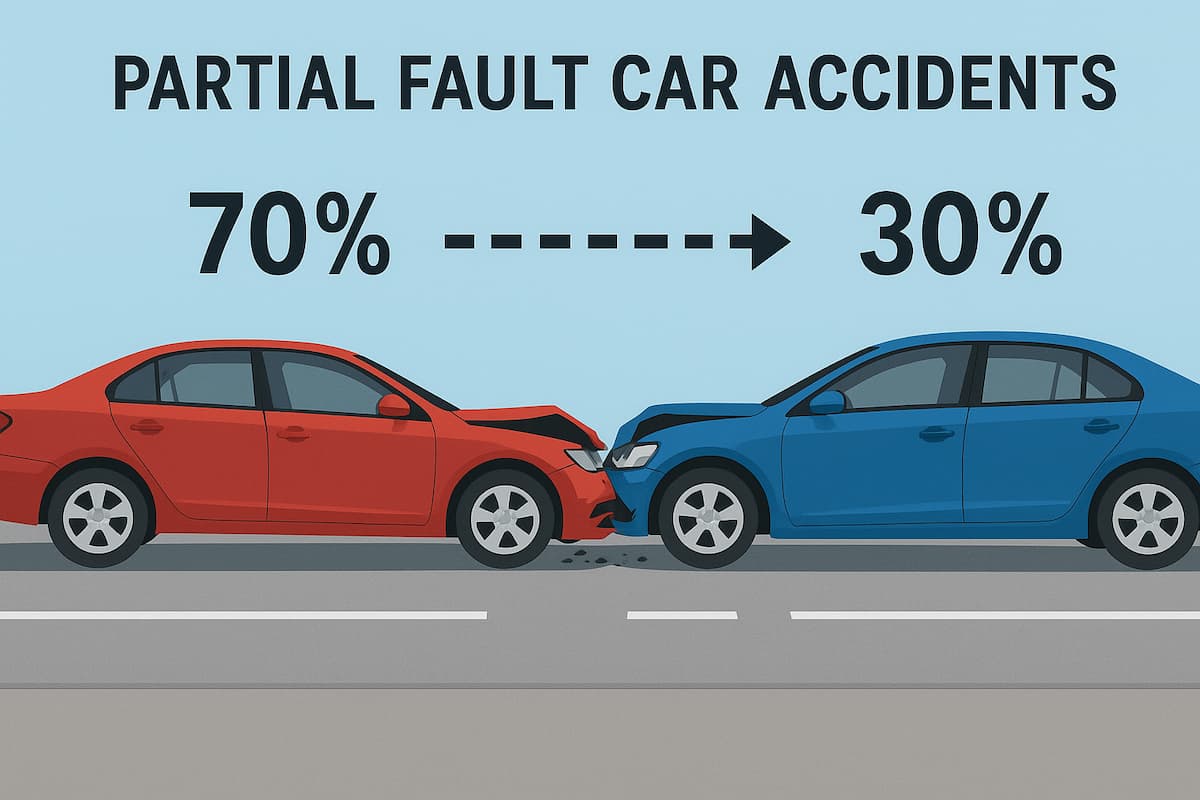
    • Understand your fault percentage: Illinois follows a modified comparative negligence system. Your financial recovery can be reduced by your percentage of fault, but it’s not automatically denied. If you’re found 30% at fault, your compensation gets reduced by that percentage.
    • Contact a Chicago personal injury lawyer: A skilled attorney can help maximize your recovery and push back against an inflated fault percentage.

    Understanding Illinois Law

    Illinois follows a modified comparative negligence system, often called the 51% Bar Rule. This rule determines whether you can recover compensation after a car accident, and how much:

    • If you are 50% or less at fault: You’re still eligible to recover compensation for your injuries and damages, but your total recovery gets reduced by your percentage of fault. If your damages total $100,000 and you’re found 25% at fault, your recovery would be reduced to $75,000.
    • If you are 51% or more at fault: You cannot recover any compensation. If the evidence shows you were mostly responsible for the accident, the law bars you from receiving damages entirely.

    This rule is codified in the Illinois Compiled Statutes, 735 ILCS 5/2-1116, and it plays a central role in personal injury cases throughout the state.

    Who Actually Decides the Percentage?

    This is the part that surprises a lot of people: there’s no official government body that assigns a fault percentage before your case settles. If the case settles, the insurance adjusters on both sides negotiate a percentage as part of the deal. If it goes to trial, a jury decides, guided by Illinois Pattern Jury Instructions on negligence and comparative fault, but not bound by any fixed formula. That means the percentage attached to your case is genuinely negotiable, not a number handed down from on high, and a skilled attorney’s job is often specifically to move that number down.

    Key Illinois Considerations

    When you’re partially at fault in a car accident, a few Illinois-specific rules and habits can shape your outcome:

    • Statute of limitations: Under 735 ILCS 5/13-202, most personal injury claims must be filed within two years from the date of the accident. Missing this deadline can bar you from recovering any compensation, even with a strong case.
    • Evidence matters more, not less: In a shared-fault case, police reports, medical records, repair estimates, photographs, and witness statements all carry extra weight, because the fight isn’t just about whether the other driver was negligent, it’s about exactly how much.
    • Negotiations with insurers get harder: Insurers often start shared-fault negotiations by pushing your fault percentage as high as possible, sometimes right up near the 50% line, specifically to shrink or eliminate your recovery.

    How Insurers Try to Push Your Fault Percentage Higher

    Because every additional percentage point of fault assigned to you directly reduces what the insurer pays, adjusters have a real financial incentive to inflate your share. A few tactics show up often:

    • Pointing to minor, arguably irrelevant details, a slightly late reaction, an unsignaled lane position months earlier, to argue you contributed more than you did.
    • Asking leading questions during a recorded statement designed to get you to describe your own driving in a way that sounds worse than it was.
    • Citing a first officer’s preliminary notes on scene as if they were a final, unchallengeable fault determination, when police reports are often revised or supplemented later.

    None of this is illegal. It’s just negotiation, and it’s exactly why having someone on your side who does this professionally changes the outcome.

    What Happens When Multiple Defendants Are Also at Fault

    Comparative fault gets more complicated once more than two parties are involved, a common situation in Chicago expressway pileups. Illinois has a separate rule for this, 735 ILCS 5/2-1117, that determines how much of the total judgment each defendant actually has to pay.

    • A defendant found 25% or more at fault is jointly and severally liable for your non-medical damages, meaning you can collect that full share from them even if a co-defendant can’t pay.
    • A defendant found less than 25% at fault is only severally liable for non-medical damages, meaning you can only collect their specific percentage from them.
    • Medical expenses are treated differently from everything else: every defendant found liable, regardless of their percentage, is jointly and severally liable for your past and future medical bills. Even a defendant found only 10% at fault can be on the hook for your entire hospital bill if the other defendants can’t pay.

    If you’re partially at fault yourself in a multi-vehicle crash, this rule still interacts with your own recovery bar. You still need to be under 50% at fault to recover anything, but once you clear that bar, how much you actually collect from each defendant depends on this separate 25% threshold, not just the raw percentages assigned to everyone in the crash.

    Example: A Hypothetical Shared-Fault Case

    The following is a hypothetical illustration only, not an account of any real client or case.

    Imagine a driver merging onto the Kennedy Expressway who gets sideswiped by a car already in the lane going slightly over the limit. The merging driver didn’t fully check their blind spot; the other driver was speeding. A responding officer’s initial report notes both factors without assigning a clear percentage.

    The insurer for the speeding driver opens negotiations by proposing the merging driver was 60% at fault, which would bar recovery entirely under the 51% rule. The merging driver’s attorney pulls the speeding driver’s estimated speed from witness statements and roadway skid analysis, arguing the actual split is closer to 30/70 in the merging driver’s favor. The case ultimately settles with the merging driver found 25% at fault, a result that would have been a complete denial of compensation if the insurer’s opening position had gone unchallenged.

    Notice what actually moved the number: not a new law, not a judge’s ruling, just better evidence assembled and presented before the insurer’s first offer became the anchor point for the whole negotiation. That’s usually how these disputes get resolved, incrementally, through evidence, not through some dramatic reveal at trial.

    How Your Own Insurance Fits Into a Shared-Fault Claim

    Being partially at fault changes the math on your own auto policy too. If you carry collision coverage, your insurer will pay to repair your vehicle regardless of fault, then may seek reimbursement from the other driver’s insurer for their share, a process that happens behind the scenes and generally doesn’t require anything from you. Your comprehensive and collision deductible still applies up front, though, and getting it back later usually depends on the fault split being resolved in your favor.

    Med-pay and personal injury protection coverage, where you carry it, typically pay out regardless of fault percentage, which makes them useful for covering initial medical costs while the comparative-fault fight over the liability claim is still being sorted out. Don’t wait for the fault dispute to resolve before using coverage that’s available to you now.

    One more wrinkle: if the other driver was under-insured relative to the actual value of your claim, your own underinsured motorist coverage can come into play even in a shared-fault scenario, though your UIM insurer will typically apply the same comparative-fault reduction the at-fault driver’s insurer would have.

    Common Mistakes to Avoid

    If you were partially at fault in a car accident, it’s easy to make missteps that shrink your recovery further than the law actually requires. Watch for these:

    • Admitting full fault: Even if you feel responsible, avoid admitting full blame at the scene or in statements to other drivers, witnesses, or adjusters. Illinois law reduces compensation based on your actual fault percentage, but admitting complete responsibility can unfairly cut off recovery you’re still entitled to.
    • Delaying medical care: Seeking prompt medical attention is essential, even if injuries seem minor. Delaying treatment lets injuries worsen and weakens your claim on both the fault and damages sides.
    • Speaking with insurance adjusters alone: Adjusters often ask leading questions specifically in shared-fault cases, designed to get you to describe your own conduct unfavorably.
    • Failing to document evidence: Evidence is the backbone of any claim, and it matters even more here, since you’re fighting over a percentage, not just an outcome.
    • Assuming a high fault percentage is final: An insurer’s opening position on your fault share is a negotiating tactic, not a legal ruling.

    When to Contact a Chicago Personal Injury Lawyer

    While not every accident requires legal representation, there are situations where it changes the outcome:

    Insurance companies dispute fault or undervalue your claim. Insurers may assign a higher percentage of fault to you than the evidence supports. A skilled attorney can challenge inaccurate assessments and negotiate so your share of compensation reflects your actual responsibility, not the insurer’s opening offer.

    Serious or long-term injuries. If your injuries require extended medical care, rehabilitation, or affect your ability to work, legal representation is crucial for calculating damages accurately.

    Accidents involving multiple vehicles or commercial drivers. Complex accidents involving multiple vehicles, commercial trucks, or rideshare drivers often involve several insurance companies pointing fault at each other, including at you.

    Uncertainty about your rights or case value. If you’re unsure about your fault percentage or potential compensation, a personal injury attorney can outline your options based on the actual facts, not an insurer’s characterization of them.

    Personal Injury Lawyer
    Personal Injury Lawyer

    Call Phillips Law Offices at (312) 346-4262 for a free consultation if any of these situations apply to you.

    Frequently Asked Questions

    Can I recover compensation if I was partially at fault?

    Yes, under Illinois’ modified comparative negligence law, you can recover damages reduced by your percentage of fault as long as you are 50% or less at fault.

    How is fault determined in Illinois car accidents?

    Fault is determined based on evidence, police reports, witness statements, and insurance investigations. Comparative negligence percentages are assigned to each party, either through negotiation or, if the case goes to trial, by a jury.

    What happens if I am more than 50% at fault?

    If your fault exceeds 50%, Illinois law bars you from recovering damages from the other party entirely.

    How long do I have to file a claim?

    The statute of limitations in Illinois for personal injury claims is generally two years from the date of the accident, so acting promptly is critical.

    Should I speak to the insurance company if I’m partially at fault?

    It’s best to consult a lawyer before speaking with insurers, since statements can be used to argue your fault percentage should be higher.

    Can the fault percentage change after the insurance company gives an initial number?

    Yes. An initial percentage from an adjuster is a negotiating position, not a final determination. New evidence, expert analysis, or negotiation can shift it substantially.

    Does a citation I received at the scene decide my fault percentage?

    A citation is evidence, not a verdict. It carries weight but can be outweighed by other evidence showing the other driver’s conduct contributed more to the crash.

    If there were three cars in the crash, how does that change my fault percentage?

    Fault gets divided among everyone involved, including any other at-fault drivers, not just between you and one other person. Under 735 ILCS 5/2-1117, how much you can actually collect from each defendant also depends on whether their individual share is above or below 25%, separate from the 50% bar that applies to your own recovery.

    Will my own collision coverage still pay if I was partly at fault?

    Yes, collision coverage generally pays regardless of fault, subject to your deductible. Reimbursement of that deductible from the other driver’s insurer depends on how the fault split is ultimately resolved.

    Final Thoughts

    If you were partially at fault in a Chicago car accident, don’t assume you have no legal options. Illinois law allows accident victims to recover compensation even when they share some responsibility for the crash. The amount you recover may be reduced based on your percentage of fault, but you’re still entitled to seek damages for medical bills, lost wages, property damage, and pain and suffering.

    The key to protecting your rights is thorough documentation. Keep detailed records of your injuries, medical treatments, repair estimates, and any other expenses related to the accident. Photographs of the accident scene, vehicle damage, and visible injuries provide crucial evidence in determining fault and supporting your claim, and that evidence matters just as much for a shared-fault dispute as it does for proving damages.

    At Phillips Law Offices, we specialize in helping clients navigate these complex cases, guiding them through documentation, insurance negotiations, and legal proceedings to help maximize their recovery.

    A shared-fault case is rarely a clean, one-sided story. It’s a negotiation over degrees of blame, and the outcome usually reflects who came prepared to argue the percentage, not just who was technically right about what happened at the intersection or on the expressway that day.

    Authoritative Sources

    Related Chicago Accident Guides

    Related guides on Illinois traffic law and deadlines

    Talk to a Chicago car accident lawyer. Phillips Law Offices offers a free case review, and there is no fee unless we recover for you. Call (312) 346-4262 or request a free case review.

    This article is general information about Illinois law, not legal advice, and reading it does not create an attorney-client relationship. Illinois law changes; confirm anything you intend to rely on with a licensed Illinois attorney.
  • What Is the Average Settlement for a Car Accident in Illinois?

    What Is the Average Settlement for a Car Accident in Illinois?

    After an Illinois car accident, one of the most common questions people ask is: “How much is my case worth?” There’s no single number that fits every case. In Illinois, car accident settlements typically range from $15,000 to over $1 million depending on the severity of injuries, insurance limits, and how clearly fault can be proven.

    The details of a case, from medical bills to fault determination, can significantly affect compensation. Below is a breakdown of how settlements are calculated, what Illinois law says, and when it’s worth bringing in legal help.

    Average Car Accident Settlements in Illinois

    Every car accident case is unique, and settlement amounts vary widely depending on injury severity, the clarity of fault, and other circumstances. Here’s a general range of what victims in Illinois can often expect:

    • Minor injury cases: $10,000 – $25,000 (soft tissue injuries, short recovery time)
    • Moderate injury cases: $25,000 – $100,000 (fractures, extended medical care, partial disability)
    • Severe injury cases: $100,000 – $1,000,000+ (permanent disability, brain injury, wrongful death)

    Settlement amounts depend on multiple factors, including:

    1. Medical expenses and future treatment costs
    2. Lost wages and diminished earning capacity
    3. Pain and suffering damages
    4. Fault distribution under Illinois comparative negligence law
    5. Insurance coverage and policy limits

    Understanding Illinois Law and How It Affects Settlements

    In Illinois, car accident settlements are governed by fault-based liability rules. The driver who caused the accident, or their insurance company, is legally responsible for covering the resulting damages.

    These damages can include medical expenses, vehicle repairs, lost wages, and pain and suffering, and the amount a victim receives often depends on how fault is assigned. Illinois follows a modified comparative negligence system (735 ILCS 5/2-1116), meaning that if you share some responsibility for the accident, your settlement gets reduced proportionally. If you’re 20% at fault for a crash, your total recovery would typically be reduced by 20%.

    Comparative Negligence in Illinois

    Comparative Negligence in Illinois
    Comparative Negligence in Illinois

    Illinois follows a modified comparative negligence rule, which recognizes that more than one driver can share responsibility for a car accident. Even if you were partly at fault, you can still recover compensation, as long as your share of fault is less than 50%.

    Your settlement or award gets reduced by the percentage of fault assigned to you. If your total damages amount to $100,000 but you’re found 20% at fault, your recovery would typically be $80,000. If you’re found 51% or more at fault, Illinois law bars you from recovering any compensation at all.

    Statute of Limitations

    Illinois sets a strict time limit for filing a personal injury lawsuit after a car accident. Under 735 ILCS 5/13-202, victims generally have two years from the date of the accident to take legal action against the at-fault driver or their insurance company.

    Missing this deadline has serious consequences, you lose your right to pursue compensation for medical bills, lost wages, vehicle damage, and pain and suffering. Act promptly, even if your injuries seem minor at first.

    Why Illinois Doesn’t Put a Ceiling on Pain and Suffering

    Some states cap how much a jury can award for pain and suffering. Illinois isn’t one of them. The Illinois legislature actually tried to cap noneconomic damages once, in a 2005 medical malpractice reform law that limited pain-and-suffering awards to $1 million against hospitals and $500,000 against physicians. The Illinois Supreme Court struck the whole thing down in Lebron v. Gottlieb Memorial Hospital, 237 Ill. 2d 217 (2010), ruling that a legislative cap on jury awards violated the separation-of-powers clause in the Illinois Constitution.

    That ruling applies to medical malpractice specifically, but the broader point holds for car accident cases too: Illinois has never capped noneconomic damages in ordinary personal injury claims. In practice, this means the real ceiling on your settlement usually isn’t a statute, it’s the at-fault driver’s insurance policy limit, unless you can identify additional sources of recovery.

    The Insurance Policy Limit Problem

    Here’s the practical reality behind those big settlement numbers: an insurance company generally won’t pay more than the at-fault driver’s policy limit, no matter how severe the injury. Many Illinois drivers carry only the state’s minimum liability coverage of 25/50/20, meaning $25,000 per person and $50,000 per accident for bodily injury. A catastrophic injury against a minimum-coverage driver can leave a huge gap between what the case is actually worth and what the at-fault driver’s insurer can pay.

    This is exactly why your own uninsured/underinsured motorist coverage matters so much, it can fill that gap when the at-fault driver’s policy runs out before your damages do.

    How Pain and Suffering Actually Gets Calculated

    There’s no statute that tells an adjuster or a jury exactly how to value pain and suffering, which is exactly why it’s the most negotiated piece of any settlement. Two informal methods show up again and again in practice, on both sides of the table.

    • The multiplier method: Total medical expenses get multiplied by a number, often somewhere between 1.5 and 5, depending on injury severity, to estimate pain and suffering. A broken arm that heals fully might sit at the low end. A permanent disability sits much higher.
    • The per diem method: A daily dollar value gets assigned to your pain and suffering, then multiplied by the number of days you were affected, from the crash date through maximum medical improvement.

    Neither method is required by Illinois law. Insurance adjusters use whichever produces a lower number for their side, and your attorney’s job is pushing back with the actual evidence, medical records, testimony about how the injury changed your daily life, rather than accepting whatever formula the adjuster leads with.

    What Liens Take Out of Your Net Settlement

    The settlement number you agree to isn’t what lands in your bank account. Health insurers, hospitals, and sometimes Medicare or Medicaid can have a legal right to be reimbursed out of the proceeds for what they already paid toward your treatment, along with your attorney’s fee and case costs. A $150,000 settlement can easily net $90,000 to $100,000 after everything is resolved, which is one more reason a quick, low settlement offer early on can leave you with far less than you actually need for ongoing care.

    Other Factors That Influence Settlement Value

    • Severity and permanence of injuries: More serious injuries mean higher settlements.
    • Medical documentation: Detailed records strengthen your claim.
    • Economic losses: Includes lost income, future wages, and rehabilitation costs.
    • Non-economic damages: Pain, suffering, and emotional distress are compensable under Illinois law.
    • Legal representation: Working with an experienced Illinois accident attorney often leads to substantially higher settlements.

    Example: A Hypothetical Settlement Breakdown

    The following is a hypothetical illustration only, not an account of any real client or case.

    Say a driver is rear-ended on the Dan Ryan Expressway and suffers a herniated disc requiring injections and months of physical therapy. Medical bills come to $42,000, lost wages add another $8,000, and a jury or adjuster might value pain and suffering at roughly two to three times the medical specials, a common, though not universal, rule of thumb for moderate soft-tissue and disc injuries. That puts total damages somewhere around $150,000 to $200,000.

    If the at-fault driver only carries the state minimum $25,000/$50,000 policy, the injured driver’s actual recovery from that policy alone is capped at $50,000, regardless of the case’s real value. The rest, if it exists, has to come from the injured driver’s own underinsured motorist coverage. This is the scenario that catches a lot of people off guard: a strong case on paper that’s worth far less in practice because of thin insurance coverage on the other side.

    Now compare that to a second, less common scenario. Same herniated disc injury, same $150,000 to $200,000 valuation, but this time the at-fault driver is on the job for a delivery company carrying a $1 million commercial policy. Suddenly the insurance ceiling isn’t the constraint at all, the case gets evaluated on its actual merits, and the settlement conversation looks completely different. The injury and the medical bills are identical in both scenarios. The only thing that changed is whose insurance was standing behind the at-fault driver.

    A Few Things That Genuinely Move the Number

    Beyond the big structural factors, a handful of smaller habits consistently correlate with better outcomes:

    • Going to every scheduled appointment. Gaps in treatment get read by adjusters as evidence the injury wasn’t that serious, even when the real reason was a scheduling conflict or a copay you couldn’t afford that week.
    • Keeping a simple daily log of pain levels and activities you couldn’t do. It sounds tedious. It’s also some of the most persuasive evidence for the pain-and-suffering piece of a claim, because it’s contemporaneous rather than reconstructed months later.
    • Following through on referrals to specialists rather than stopping at your primary care doctor. An unaddressed referral is an easy thing for an adjuster to point to as proof the injury resolved on its own.

    None of these guarantee a specific outcome. They just remove easy excuses for a lowball offer, and in a negotiation, removing excuses is most of the work.

    Settlement Timing: Why Waiting Can Actually Help

    It feels counterintuitive to sit on a claim when bills are due now, but settling before you understand the full scope of your injury is one of the more expensive mistakes in this process. Once you sign a release, the case is over, permanently, even if you need surgery six months later that nobody anticipated. Most experienced attorneys wait until you reach what’s called maximum medical improvement, the point where your doctor says your condition has stabilized and further treatment won’t meaningfully change the outcome, before finalizing settlement numbers.

    That doesn’t mean every case should drag on. A straightforward soft-tissue injury with a clear recovery timeline might settle in a few months. A case involving a possible future surgery, or a permanent injury, generally shouldn’t move that fast, no matter how tempting a quick check looks when bills are piling up and the mortgage is due regardless of where the case stands.

    Common Mistakes to Avoid After a Car Accident

    Many accident victims unintentionally undermine their own cases. Avoiding these mistakes can make a real difference in the compensation you ultimately receive:

    • Accepting an early insurance offer: Insurance companies often try to settle claims quickly and for less than they’re worth. Accepting an early offer before your injuries are fully documented can leave you undercompensated for medical expenses, lost wages, and long-term care.
    • Not seeking medical attention immediately: Some injuries, whiplash, concussions, internal trauma, may not appear right away. Failing to see a doctor promptly can make it harder to prove your injuries are related to the accident.
    • Posting on social media: Insurance companies monitor social media for anything they can use to reduce payouts. Until your case is resolved, avoid posting about the accident online.
    • Admitting fault: Even casual apologies at the scene can be misconstrued as admitting responsibility. Let law enforcement and your attorney determine liability based on the facts.
    • Failing to contact an attorney early: A skilled Chicago car accident lawyer can help preserve key evidence, gather witness statements, and navigate insurance procedures before critical evidence disappears.

    When to Contact a Chicago Personal Injury Lawyer

    Contact an attorney as soon as possible if:

    • The insurance company disputes liability or tries to undervalue your claim.
    • Your injuries are serious, complex, or require long-term care.
    • Multiple vehicles or commercial drivers were involved in the accident.
    • You’re unsure about the true value of your case or what you’re entitled to recover.

    At Phillips Law Offices, we’ve helped thousands of clients secure fair and full settlements following serious auto accidents. Call (312) 346-4262 for a free consultation. Our team investigates every detail, consults with medical and accident reconstruction experts, and negotiates with insurers to make sure your compensation reflects the true extent of your injuries and losses.

    Frequently Asked Questions

    What is the average payout for a car accident in Illinois?

    While every case is unique, settlements in Illinois typically range from $15,000 to $1 million or more, depending on injury severity and liability.

    How long does it take to settle a car accident claim in Illinois?

    Most settlements take between 3 months and 1 year. Complex cases involving serious injuries or disputes can take longer.

    Do I need a lawyer for a minor accident?

    Even in minor cases, consulting an attorney helps ensure you don’t settle for less than you deserve, especially if injuries develop later.

    Will my case go to court?

    Most Illinois car accident claims settle out of court, but if negotiations fail, a trial may be necessary to secure fair compensation.

    What if the at-fault driver has no insurance?

    You may file a claim under your own uninsured/underinsured motorist coverage or pursue legal action against the responsible driver personally.

    What is maximum medical improvement, and why does it matter for my settlement?

    It’s the point where your doctor determines your condition has stabilized and further treatment won’t significantly change your outcome. Settling before reaching it risks leaving money on the table for care you’ll still need.

    Does having good insurance on my own policy affect my settlement from the other driver?

    Your own coverage doesn’t reduce what the at-fault driver’s insurer owes you, but it can determine how much additional recovery is available if their policy limit isn’t enough to cover your damages.

    Is there a fixed average settlement value in Illinois?

    No. Settlement values vary by liability, injury severity, insurance coverage available, and long-term impact on your life and ability to work.

    What increases settlement value most?

    Strong liability evidence, consistent treatment records, and well-documented economic and non-economic damages. Gaps in treatment are one of the fastest ways to shrink a settlement offer.

    Should I accept the first offer?

    Not always, and often not at all. Early offers frequently undervalue ongoing treatment or long-term losses that haven’t fully materialized yet.

    Final Thought

    Settlement value isn’t a formula you plug numbers into and get a guaranteed answer. It’s a negotiation shaped by evidence, insurance coverage, and how well-documented your losses are. Two people with nearly identical injuries can walk away with very different settlements depending on how their case was built, who was insured, and how patiently the claim was handled.

    If you or a loved one has been injured in a Chicago car accident, don’t face the legal and insurance challenges alone. Phillips Law Offices has over 30 years of experience helping victims of car accidents, wrongful deaths, and serious injuries across Illinois, and a free consultation costs nothing but a phone call.

    Authoritative Sources

    Related Chicago Accident Guides

    Related guides on what your claim is worth

    Talk to a Chicago car accident lawyer. Phillips Law Offices offers a free case review, and there is no fee unless we recover for you. Call (312) 346-4262 or request a free case review.

    This article is general information about Illinois law, not legal advice, and reading it does not create an attorney-client relationship. Illinois law changes; confirm anything you intend to rely on with a licensed Illinois attorney.

  • How Is Fault Determined in a Chicago Car Accident?

    How Is Fault Determined in a Chicago Car Accident?

    After a Chicago car accident, one of the first and most pressing questions people ask is: who was at fault? In Illinois, determining fault plays a major role in deciding who is financially responsible for medical expenses, lost wages, property damage, and pain and suffering. Unlike “no-fault” states, Illinois follows an at-fault system, meaning the driver who caused the accident is responsible for covering the damages through their insurance company.

    But figuring out who’s to blame isn’t always clear-cut. Fault determination often involves multiple layers of evidence and investigation, from the official police report and traffic camera footage to insurance adjuster findings, witness statements, and sometimes expert accident reconstruction.

    How Fault Is Determined in a Chicago Car Accident

    Understanding how fault is determined can help you protect your rights. Here’s how the process usually unfolds:

    Call the Police: A police crash report often becomes one of the most valuable pieces of evidence. Officers document what they observe, gather statements, take photos, and note traffic violations.

    Exchange Information: After ensuring everyone is safe, exchange contact and insurance details with all drivers involved.

    Gather Evidence: The more evidence you collect, the stronger your case. See our complete Illinois car accident evidence checklist for what to document.

    Insurance Investigation: Insurance companies conduct independent investigations. Be aware of insurance company tactics designed to minimize your claim.

    Review Illinois Law: Illinois uses a modified comparative negligence rule, meaning more than one driver can share the blame.

    Consult an Attorney: Before speaking to insurers or accepting any settlement, consult an experienced Chicago car accident lawyer.

    Understanding Illinois Law on Car Accident Fault

    Illinois follows a fault-based system, the driver who causes the crash is legally and financially responsible for resulting damages including medical bills, vehicle repairs, lost wages, and pain and suffering.

    Comparative Negligence in Illinois

    Illinois operates under a modified comparative negligence rule (735 ILCS 5/2-1116):

    • You can recover damages as long as you are less than 50% at fault.
    • Your compensation is reduced by your percentage of fault.

    Learn more in our guide on recovering compensation when partially at fault.

    Evidence Used to Determine Fault

    • Police reports and officer observations
    • Witness testimony from drivers, passengers, or bystanders
    • Traffic camera footage or dashcam recordings
    • Accident reconstruction reports
    • Vehicle damage patterns and skid marks

    In cases involving distracted driving or speeding, phone records and EDR data become especially important.

    Traffic Citations and “Negligence Per Se”

    When a driver gets ticketed for a traffic violation connected to the crash, that citation carries real weight in a personal injury claim. Illinois recognizes a doctrine sometimes called negligence per se, where violating a safety statute designed to prevent exactly the kind of harm that occurred can itself serve as evidence of negligence, shifting the practical burden onto the cited driver to explain what happened.

    Some of the most common citations that end up shaping fault findings in Chicago crashes:

    • Following too closely (625 ILCS 5/11-710) – the classic rear-end citation. A driver who rear-ends another vehicle is presumed to have been following too closely or driving too fast for conditions unless they can show otherwise, an emergency stop by a car cutting into the lane, for instance.
    • Disobeying a traffic control signal (625 ILCS 5/11-306) – running a red light or failing to stop fully before turning right on red. Chicago’s network of automated red-light and speed cameras generates a growing share of this evidence independent of any officer being present.
    • Failure to yield at intersections and left turns, one of the most disputed fault categories because both drivers often believe they had the right of way.

    None of these presumptions are absolute. A rear-end citation doesn’t automatically end the inquiry if the lead driver, say, slammed on the brakes without cause or had broken brake lights. That’s exactly the kind of nuance an insurance adjuster will look for a reason to argue, and exactly the kind of nuance a good accident reconstruction can settle.

    How Insurance Adjusters Actually Assign Fault Percentages

    There’s no single government formula that spits out a fault percentage. Adjusters weigh the police report, statements, photos, and any citations against their company’s internal claims guidelines, and many large insurers run that information through claims-evaluation software that scores liability and damages based on comparable past claims. The output isn’t neutral. It’s built to protect the insurer’s bottom line, and initial fault splits offered by an adjuster are a starting position for negotiation, not a final legal determination.

    This is where documentation you gathered at the scene, or in the days after, matters most. A software model can only work with what’s in the file. Photos of skid marks, a witness who saw the other driver on their phone, a dashcam clip, these are the things that move a fault percentage away from wherever the insurer’s software first landed.

    One more thing worth knowing: the other driver’s insurer may call you directly within a day or two, asking for a recorded statement about how the crash happened. You’re not required to give one, and what you say gets used to build their fault case, sometimes against you, even when you’re just trying to describe what happened accurately. A short, factual statement limited to basic facts, or no statement until you’ve talked to an attorney, protects you far better than trying to be helpful on the phone with someone whose job is minimizing what their company pays out.

    Statute of Limitations in Illinois

    Under 735 ILCS 5/13-202, you have two years from the date of the accident to file a personal injury lawsuit. See our guide on Illinois car accident lawsuit deadlines. If the vehicle involved was owned by a government entity, a city bus or municipal truck, for example, the Local Governmental and Governmental Employees Tort Immunity Act shrinks the deadline to file suit to one year, so identifying the vehicle owner early matters.

    When More Than Two Drivers Are Involved

    Fault gets harder to pin down once a crash involves three or more vehicles, which happens often enough on Lake Shore Drive and the Kennedy Expressway during rush hour. A chain-reaction pileup might start with one driver who braked hard, followed by a second driver who couldn’t stop in time, followed by a third who plowed into both of them. Each link in that chain can carry a different percentage of fault, and Illinois’s comparative negligence system lets a jury or insurer apportion responsibility across all of them rather than forcing an all-or-nothing outcome against a single driver.

    In practice, this means your claim might involve three or four different insurance carriers at once, each trying to shift blame toward the others. It’s one of the more common reasons multi-vehicle claims take longer to resolve than simple two-car collisions, sometimes stretching into a year or more before every carrier agrees on its share.

    Fault That Points Beyond the Other Driver

    Not every crash is purely driver-versus-driver. Sometimes the evidence points, at least partly, somewhere else entirely:

    • A mechanical defect, brakes that failed despite proper maintenance, a tire that separated, can shift some liability toward a manufacturer or repair shop under product-liability principles.
    • A road hazard, an unmarked pothole or a malfunctioning traffic signal, can create a claim against the government body responsible for maintaining that road, though these claims come with the shorter one-year filing deadline mentioned above.
    • A commercial employer can be held responsible for a crash caused by an employee driving for work purposes, in addition to the driver personally.

    These scenarios usually surface only after someone specifically looks for them, an adjuster working the file has no incentive to point you toward a claim against their own insured’s employer or a city agency.

    Should You Hire Your Own Accident Reconstruction Expert?

    For a minor fender-bender, no. For a case involving serious injury, a fatality, or a fault dispute where the insurance company’s version of events doesn’t match your own memory of what happened, it can change the outcome of the case. A reconstruction expert examines physical evidence, vehicle damage, road markings, lighting conditions, event-data-recorder output, sometimes months after an insurer’s own investigator has already closed their file, and builds an independent account of how the crash actually unfolded.

    This isn’t something most people arrange on their own. It’s typically something an attorney brings in once it’s clear liability is going to be contested and the stakes justify the cost.

    Example: A Hypothetical Fault Dispute

    The following is a hypothetical illustration only, not an account of any real client or case.

    Picture two cars approaching the same intersection on Milwaukee Avenue, one making a left turn, one going straight. Both drivers tell the responding officer the light was in their favor. The police report lists the cause as “undetermined” because there were no independent witnesses.

    Weeks later, the straight-through driver’s attorney learns a nearby business has an exterior security camera pointed roughly toward the intersection. The footage shows the turning driver entered the intersection a full second after the light had already turned red for cross traffic. That single piece of evidence, found by asking around rather than sitting in any official file, shifts the case from a 50/50 he-said-she-said dispute to a much stronger claim.

    Nobody involved in that hypothetical thought to look for a business camera on their own. It took someone specifically canvassing the intersection, days after the crash, to find it. That’s often the difference between a case that settles fairly and one that gets stuck arguing over a police report marked “undetermined.”

    Fault in Snow, Ice, and Rain Crashes

    Chicago winters produce a predictable spike in crashes, and a predictable misconception along with it: that bad weather is a legal excuse. It isn’t. Illinois’s basic speed law (625 ILCS 5/11-601) requires drivers to reduce speed for weather and road hazards, meaning driving the posted limit on ice-covered pavement can itself be considered too fast for conditions. A driver who slides through a stop sign because the road was icy is generally still found at fault, the weather explains why the crash happened, it doesn’t excuse the driver’s obligation to adjust.

    That said, weather does complicate the evidence. Skid marks behave differently on ice than dry pavement, and witnesses sometimes describe the same slick conditions very differently. It’s one more reason to document road conditions specifically, not just vehicle damage, when a crash happens in bad weather.

    Common Mistakes to Avoid After a Chicago Car Accident

    • Admitting fault at the scene: Any statement like “I’m sorry” can be used against you later.
    • Delaying medical treatment: Some injuries like whiplash don’t show symptoms immediately.
    • Talking to the other driver’s insurer alone: Adjusters minimize payouts. Direct communication through your attorney.
    • Not documenting evidence: Take photos and collect witness information.
    • Assuming a police report is the final word: Reports can be incomplete, and officers weren’t there when it happened, they’re piecing it together after the fact same as everyone else.
    • Posting on social media: Insurance companies monitor posts. Read about social media mistakes that hurt claims.

    If Fault Is Already Being Disputed, What to Do in the First Few Days

    The window right after a crash is when evidence is easiest to get and easiest to lose. Security camera footage from nearby businesses often gets overwritten within days or weeks. Skid marks fade. Witnesses move on and forget details. If you sense the other driver, or their insurer, is going to dispute fault, a few concrete steps make a real difference:

    • Go back to the scene, or send someone, to photograph any nearby businesses, traffic cameras, or ATMs that might have captured the crash, and ask about footage before it’s automatically deleted.
    • Write down everything you remember while it’s fresh, time of day, weather, what each driver said immediately afterward, which direction traffic was moving.
    • Get the names and contact information for anyone who stopped to help or witnessed the crash, even if the police didn’t take a formal statement from them.
    • Request the full police report once it’s available, not just the crash report number, and read it carefully for errors.

    None of this requires a law degree. It just requires moving quickly, before the evidence that would resolve the dispute in your favor quietly disappears. A week of delay can be the difference between footage that still exists and footage that’s already been overwritten by the next recording cycle.

    When to Contact a Chicago Personal Injury Lawyer

    If your accident involved serious injuries, unclear fault, or an uncooperative insurance company, speak with an attorney immediately. At Phillips Law Offices, we’ve been protecting injured victims throughout Illinois for more than 80 years. Call (312) 346-4262 for a free consultation.

    Frequently Asked Questions

    What happens if both drivers are partly at fault?

    Illinois’ comparative negligence law allows you to recover damages as long as you are not more than 50% at fault, reduced by your share of responsibility.

    Can I still get compensation if the other driver didn’t have insurance?

    Yes. You may file under your own uninsured/underinsured motorist coverage.

    What if I was hit by a rideshare vehicle?

    See our Uber and Lyft accident claims guide for details on rideshare liability.

    Does getting a traffic ticket mean I automatically lose my case?

    Not automatically. A citation is strong evidence of fault, but it can be contested, explained, or outweighed by other evidence. Fault in a civil injury claim is decided separately from any traffic court outcome.

    Can red-light camera footage be used to prove fault?

    Yes. Chicago’s automated enforcement cameras under 625 ILCS 5/11-306 capture violations independent of a police officer, and that footage is often obtainable as evidence in a related injury claim.

    What if the police report doesn’t assign fault at all?

    It happens more often than people expect, especially with no independent witnesses. An unresolved report isn’t the end of the road. Additional investigation, witness canvassing, or accident reconstruction can still establish fault.

    Can multiple drivers share fault in the same crash?

    Yes. In a multi-vehicle pileup, Illinois allows fault to be divided among several drivers based on each one’s contribution to the crash, rather than pinning everything on a single person.

    What if I was driving carefully but the road itself caused my crash?

    A road defect, like an unmarked pothole or malfunctioning signal, can support a separate claim against the government entity responsible for maintenance, though these claims carry a much shorter one-year deadline to file suit than a typical driver-versus-driver case.

    Does sliding on ice mean the crash wasn’t really anyone’s fault?

    Not usually. Illinois law expects drivers to adjust their speed for weather and road conditions, so a crash caused by driving too fast for icy roads is generally still treated as the driver’s fault, not an unavoidable accident.

    Authoritative Sources

    Related Chicago Accident Guides

    Related guides on proving fault and evidence

    Talk to a Chicago car accident lawyer. Phillips Law Offices offers a free case review, and there is no fee unless we recover for you. Call (312) 346-4262 or request a free case review.

    This article is general information about Illinois law, not legal advice, and reading it does not create an attorney-client relationship. Illinois law changes; confirm anything you intend to rely on with a licensed Illinois attorney.

  • Who Pays for My Medical Bills After a Car Accident in Illinois?

    Who Pays for My Medical Bills After a Car Accident in Illinois?

    If you’ve been injured in a car accident in Chicago or anywhere in Illinois, one of the first and most stressful questions is: “Who’s going to pay for my medical bills?” It’s a valid concern, ambulance rides, emergency room visits, follow-up care, and rehabilitation costs can quickly add up to thousands of dollars. While the at-fault driver’s insurance is ultimately responsible, you may need to handle bills upfront until your claim is resolved.

    In Illinois, several different sources may come into play. Your health insurance, auto insurance, or MedPay coverage can help with initial expenses, while a personal injury claim against the negligent driver’s insurer can help recover those costs later.

    What to Do About Medical Bills After a Car Accident in Illinois

    Here’s a detailed breakdown of what to do in the days and weeks following your crash:

    • Seek medical care immediately. Your health comes first, get treated and document your injuries. Some injuries like whiplash and soft tissue injuries may not appear for days.
    • Use health insurance or your own auto policy first. Submit treatment through your health insurance or MedPay coverage.
    • Notify your auto insurer and report the crash. Keep records of all medical treatment. Learn about obtaining police crash reports for documentation.
    • File a claim against the at-fault driver’s liability insurance. In Illinois, the driver who caused the crash is ultimately responsible. Understand how fault is determined in a Chicago car accident.
    • Understand subrogation and liens. Your health insurer may have a right to be reimbursed from your settlement.
    • Keep thorough records. Maintain all medical bills, provider notes, and insurance statements. See our evidence checklist for what to document.
    • Contact a Chicago personal injury lawyer early. Legal counsel can protect your rights and negotiate on your behalf. Contact Phillips Law Offices for a free consultation.

    Understanding Illinois Law

    The Fault System in Illinois

    Illinois is a traditional “at-fault” state, the person who caused the collision is legally responsible for covering resulting damages. Injured victims pursue compensation through the at-fault driver’s liability insurance.

    Insurance Coverage and Minimum Requirements

    Under Illinois law (625 ILCS 5/7-203), every vehicle owner must carry liability insurance. However, many drivers carry only the minimum insurance limits (25/50/20), which may not cover serious injuries. If the at-fault driver is uninsured or underinsured, your own UM/UIM coverage becomes critical.

    Comparative Fault and Your Recovery Rights

    Illinois follows a modified comparative negligence rule. If you were partially at fault, your recovery is reduced by your percentage of fault, but you can still recover damages as long as you’re less than 50% responsible.

    Medical Bills and Subrogation Rights

    When your health insurance or MedPay pays bills upfront, they may have a subrogation right, a legal claim to be reimbursed from your eventual settlement. Having an experienced attorney is crucial for navigating insurance company tactics and reducing subrogation amounts.

    The Two-Year Deadline That Keeps Running While Bills Pile Up

    Paying medical bills and filing a lawsuit are two different clocks, and it’s easy to lose track of the second one while you’re dealing with the first. Under Illinois’s personal injury statute of limitations, 735 ILCS 5/13-202, you generally have two years from the date of the crash to file suit against the at-fault driver. Miss it, and the court will almost certainly dismiss your case no matter how strong the medical evidence is.

    That two-year window matters more than it might seem when you’re still in the middle of treatment. Some injuries, spinal issues, nerve damage, post-concussion symptoms, take months to fully diagnose. If you spend a year and a half focused only on getting better and sorting out who’s paying which bill, you can wake up with a matter of weeks left to get a lawsuit filed. There’s a narrow discovery-rule exception for injuries that genuinely weren’t and couldn’t have been known at the time, but it’s not something to count on. Courts apply it narrowly.

    There’s also a much shorter deadline hiding in plain sight. If the vehicle that hit you was owned or operated by a government entity, a CTA bus, a Chicago Streets and Sanitation truck, a Cook County vehicle, the Local Governmental and Governmental Employees Tort Immunity Act (745 ILCS 10/8-101) requires written notice within one year, not two. Miss that notice window and you may lose the claim entirely, regardless of how the medical bills eventually shake out.

    Hospital and Ambulance Liens Under Illinois Law

    Hospitals, ambulance services, and other providers don’t just bill your insurance and wait. Many assert a formal lien against your eventual settlement under the Illinois Health Care Services Lien Act, 770 ILCS 23. To do it properly, the provider has to record and serve notice of the lien, and the law caps how much providers can collectively take: total health-care liens can’t exceed 40% of your total recovery, and no single provider can take more than one-third of it.

    Those caps sound generous until you’ve got a hospital bill, an ambulance bill, and two specialist bills all filing separate liens on the same settlement. Sorting out who gets paid what, and in what order, is exactly the kind of negotiation an attorney handles routinely, and it’s not a fight most unrepresented accident victims win on their own against a hospital’s billing office.

    Why ERISA Health Plans and Illinois-Regulated Plans Don’t Play by the Same Rules

    Not all health insurance is created equal when it comes to getting paid back. If your coverage comes through a large employer that self-funds its health plan, that plan is typically governed by the federal ERISA law, and federal law generally preempts Illinois’s state-law protections for accident victims. Self-funded ERISA plans can often demand full reimbursement off the top of your settlement, dollar for dollar, before you see a cent, and Illinois courts have historically had limited power to override plan language that says so.

    Fully-insured plans, the kind purchased directly from an insurer rather than self-funded by an employer, are a different story. Illinois follows the common fund doctrine: if your attorney did the work of creating the settlement fund, the insurer asserting a reimbursement claim generally has to shoulder its pro-rata share of the attorney’s fees and litigation costs before it gets repaid. The Illinois legislature codified an equitable-apportionment version of this rule for health-care liens effective January 2013, and Illinois courts have separately applied common-fund principles to reduce even some ERISA-plan reimbursement claims where the plan language didn’t clearly disclaim the doctrine. Whether a given plan is self-funded or fully-insured isn’t always obvious from your insurance card, it’s worth having your attorney pull the actual plan documents early rather than assuming.

    Medicare and Medicaid Liens

    If Medicare paid any of your treatment, the federal Medicare Secondary Payer Act (42 U.S.C. § 1395y(b)) gives the government a right to be reimbursed from your settlement, and Medicare’s conditional-payment recovery process runs on its own separate timeline from your personal injury case. Medicaid works similarly at the state level. The Illinois Department of Healthcare and Family Services can assert a charge against your recovery under the Illinois Public Aid Code, 305 ILCS 5/11-22, for medical assistance it paid related to the crash, but that charge only reaches the portion of your settlement allocated to medical expenses, not the portion for lost wages, pain and suffering, or disability.

    Both of these liens have to be resolved before a settlement can close cleanly. Ignoring a Medicare or Medicaid notice doesn’t make it go away, it just delays your payout and can create personal liability down the road.

    What If You Have No Insurance and Can’t Pay Out of Pocket?

    Not everyone has health insurance, and even people who do sometimes face a deductible they can’t cover right after a crash. One option some providers offer is a letter of protection, essentially a written promise that the provider will be paid directly out of the eventual settlement instead of billing you or your insurer up front. It keeps treatment moving when money is tight.

    It’s not free money, though. Providers who work on a letter of protection sometimes bill at higher rates than they’d accept from an insurance company, since they’re taking on the risk that your case might not settle for as much as hoped, or at all. An attorney can help you weigh whether a letter of protection makes sense for your situation versus other options, like a short-term payment plan directly with the provider.

    Common Mistakes to Avoid

    • Delaying treatment: Insurers may argue your injuries weren’t caused by the accident.
    • Assuming the at-fault insurer will pay immediately: The carrier often waits until the claim is settled.
    • Failing to notify your insurers: This can lead to payment refusals.
    • Not tracking all medical costs: Missing bills or skipped therapy weakens your claim.
    • Ignoring lien notices from hospitals or Medicare/Medicaid: An unresolved lien can hold up your entire settlement at the finish line, sometimes for months.
    • Settling too early: Learn about settlement value factors before accepting any offer. Quick settlements rarely cover all future expenses.
    • Posting on social media: Avoid social media mistakes that insurance companies use against you.

    When to Contact a Chicago Personal Injury Lawyer

    Contact an experienced lawyer when:

    • You suffered moderate to severe injuries (hospitalization, surgery, long-term therapy).
    • The at-fault driver’s insurance is insufficient or refuses to pay.
    • You’re unsure how to handle subrogation while waiting for settlement.
    • Multiple insurers or parties may be responsible (uninsured driver, commercial vehicle crash, hit-and-run).

    At Phillips Law Offices, our team has over 30 years of experience helping injured drivers across Chicago and Illinois. Contact us for a free consultation at (312) 346-4262.

    How This Plays Out in Cook County Courts

    Most Chicago-area car accident lawsuits that don’t settle pre-suit get filed in the Circuit Court of Cook County. Smaller-value claims are typically handled in the Municipal Department, while cases seeking larger damages go to the Law Division. Where a specific case lands depends on the claimed damages and the county’s own thresholds, which is one more reason to get an accurate medical-cost and future-treatment estimate before you file rather than guessing low and having to amend later.

    Filing a lawsuit doesn’t mean your medical bills sit frozen the whole time. Liens can be negotiated in parallel with litigation, and a good attorney will often start those conversations with hospitals, health insurers, and government lienholders well before trial or settlement, so the reimbursement math isn’t a surprise on the day the check arrives.

    Example: A Hypothetical Timeline

    The following is a hypothetical example for illustration only, not an account of any actual client or case.

    Imagine a driver rear-ended at a stoplight on Ashland Avenue. She goes to the ER that night, her health insurance covers the initial visit, and she assumes that’s the end of the financial side. Six weeks later, an MRI reveals a disc injury that needs physical therapy and possibly injections. Her health insurer has now paid several thousand dollars in claims and has a subrogation interest in whatever she eventually recovers from the at-fault driver’s insurance.

    She hires an attorney roughly four months after the crash. The attorney sends notice to the at-fault driver’s carrier, opens a file with her health insurer to track the lien, and confirms her plan is fully-insured rather than self-funded, meaning Illinois’s common-fund rule will apply. Treatment continues for another eight months. When the case finally settles at month fourteen, her health insurer’s lien is reduced under the common-fund doctrine to account for its pro-rata share of attorney fees and costs, and the net amount she receives, after medical bills and liens, is meaningfully higher than what she would have kept trying to negotiate the lien down herself. The lawsuit is never actually filed because the case resolves within the two-year window, but the attorney was tracking that deadline from week one regardless.

    Frequently Asked Questions

    If the other driver caused the crash, why am I responsible for my own medical bills now?

    Because Illinois is fault-based, the at-fault driver’s insurer won’t pay bills as you incur them. You must use your health insurance or MedPay first while the claim process unfolds.

    What is MedPay and how does it work in Illinois?

    MedPay is an optional auto policy coverage that pays your medical bills right after an accident, regardless of fault, up to the policy limit.

    Can my health insurer force me to pay back bills from my settlement?

    Yes. Health insurers often have subrogation rights. Under Illinois law, if you’re represented by an attorney, the reimbursement may be reduced.

    What happens if the at-fault driver doesn’t have enough insurance?

    You may pursue your own uninsured/underinsured motorist coverage or bring a lawsuit against the driver’s personal assets.

    What damages can I recover beyond medical bills?

    You may also recover lost wages, pain and suffering, and property damage. See our full guide on damages you can recover after a Chicago car accident.

    How long do I actually have to sue after a Chicago car accident?

    Two years from the crash date in most cases, under 735 ILCS 5/13-202. If a government-owned vehicle was involved, the notice deadline can shrink to one year, so don’t wait to find out which rule applies to you.

    Can a hospital take my entire settlement to cover its bill?

    No. The Illinois Health Care Services Lien Act caps total provider liens at 40% of your recovery, and no single provider can take more than one-third.

    Does it matter if my health plan is through my employer?

    It can matter a great deal. Self-funded employer plans governed by ERISA often have stronger reimbursement rights than fully-insured plans, which are subject to Illinois’s common-fund protections. Ask your attorney to confirm which type you have.

    What if Medicare or Medicaid paid some of my bills?

    Both programs have a legal right to be reimbursed from a related settlement, Medicare under federal law and Medicaid through the Illinois Department of Healthcare and Family Services. These liens need to be resolved before your settlement can be finalized.

    Final Steps, Your Health, Your Rights, Your Recovery

    Medical bills from a car accident can pile up quickly. Use whatever insurance you have to get care right away, track every bill, and don’t accept a settlement until you fully understand your future treatment needs. Keep a running file, bills, EOBs, provider names, dates of service, it makes lien negotiations faster later.

    And don’t lose sight of the calendar. The lien negotiations and the medical treatment can take a while to sort out, but the two-year filing deadline doesn’t pause for either one.

    At Phillips Law Offices, we handle medical-bill issues, lien negotiations, and settlements so you don’t face this burden alone.

    Authoritative Sources

    Related Chicago Accident Guides

    Related guides on injuries and medical treatment

    Talk to a Chicago car accident lawyer. Phillips Law Offices offers a free case review, and there is no fee unless we recover for you. Call (312) 346-4262 or request a free case review.

    This article is general information about Illinois law, not legal advice, and reading it does not create an attorney-client relationship. Illinois law changes; confirm anything you intend to rely on with a licensed Illinois attorney.
  • What Should I Do After a Car Accident in Chicago?

    What Should I Do After a Car Accident in Chicago?

    If you’ve just been involved in a car accident in Chicago, Illinois, your next steps are absolutely critical, not only for your safety but also for protecting your legal rights. The moments right after a collision are often filled with confusion, shock, and adrenaline, making it easy to overlook important details that can significantly affect your recovery and compensation.

    Whether the crash happened on the Kennedy Expressway, a busy downtown intersection, or a quiet neighborhood street, what you do in the minutes and hours following the incident can shape the outcome of your entire case. As a Chicago personal injury lawyer with over 30 years of experience handling serious car accident cases throughout Cook County and across Illinois, I’ve seen firsthand how quick, informed action can make all the difference.

    Step-by-Step Guide After a Car Accident in Chicago

    Here’s what you should do immediately after a crash in Chicago or anywhere in Illinois:

    Check for injuries and call 911. Your health and safety come first. Request medical assistance even for minor injuries, adrenaline can mask symptoms.

    Move to a safe location. If possible, move vehicles out of traffic to prevent further danger, but only if it’s safe to do so.

    Report the accident to the police. Illinois law (625 ILCS 5/11-408) requires that accidents involving injury, death, or property damage over $1,500 be reported. Always get an official police report number. Learn more about how to obtain Illinois police crash reports.

    Exchange information. Collect names, phone numbers, driver’s license numbers, insurance details, and vehicle plate numbers from all involved parties.

    Document the scene. Take photos and videos of vehicle damage, injuries, skid marks, traffic signals, and weather conditions. See our full guide on what evidence you need for an Illinois car accident claim.

    Gather witness information. Get names and contact details of anyone who saw the crash, their testimony may be valuable later.

    Seek medical attention. Visit a doctor immediately, even if you feel fine. Some injuries, like whiplash or soft tissue injuries, appear hours or days later.

    Notify your insurance company. Provide factual details, but do not admit fault or speculate. Be careful about common insurance company tactics designed to minimize your payout.

    Contact a Chicago personal injury lawyer. Before signing anything or speaking to other insurers, talk to an experienced attorney at Phillips Law Offices to protect your rights.

    Special Situations That Change the Playbook

    The steps above cover a standard two-car crash. A meaningful share of Chicago accidents don’t fit that pattern, and each variation adds a wrinkle worth knowing about before it catches you off guard.

    Rideshare accidents. If you were a passenger in, or were hit by, an Uber or Lyft vehicle, coverage depends on what the driver’s app status was at the moment of the crash – offline, waiting for a ride request, or actively transporting a passenger. Illinois requires rideshare companies to carry contingent liability coverage that can reach $1 million once a driver is en route to or transporting a passenger. Document the driver’s app screen if you can, and note whether a trip was active.

    Hit by a CTA bus or city vehicle. This is a fundamentally different claim. Under the Illinois Local Governmental and Governmental Employees Tort Immunity Act, claims against a public entity like the Chicago Transit Authority or the City of Chicago are generally subject to a one-year notice and filing window, not the standard two years that applies to a private at-fault driver. Miss that shorter window and the claim can be barred entirely, regardless of how strong the underlying case is.

    Commercial trucks and delivery vehicles. A crash involving a semi-truck, delivery van, or company vehicle usually means more than one potentially liable party – the driver and the employer, and sometimes a leasing or logistics company as well. These cases often involve federal motor carrier regulations on top of Illinois law, and evidence like driver logs or a vehicle’s black box data can disappear quickly if no one preserves it.

    Multi-vehicle expressway pileups. Crashes on the Kennedy, Dan Ryan, or Eisenhower expressways during rush hour or bad weather often involve four or more vehicles, which turns fault-finding into a genuinely complicated exercise. Police reports in these cases sometimes only capture partial information at the scene, which makes independent documentation – your own photos, dashcam footage, witness contacts – more valuable, not less. If your car has a dashcam, save the footage to a separate device the same day; many units overwrite older recordings automatically within a matter of hours.

    Understanding Illinois Law: Your Rights After a Car Accident

    Car accident claims in Illinois are governed by state laws designed to determine fault, damages, and time limits for filing a lawsuit. Here are key points every driver should know:

    Illinois Is an “At-Fault” State

    Under Illinois law, the driver or party found to be at fault for causing the accident is legally responsible for covering the damages that result. This concept is known as the “fault” or “tort” system, meaning the person who caused the crash, whether through negligence, recklessness, or a traffic violation, must compensate the victims for their losses. Learn more about how fault is determined in a Chicago car accident.

    For example, if another driver rear-ends your vehicle on Lake Shore Drive because they were texting, Illinois law gives you the right to hold that driver (and their insurer) financially accountable for your hospital bills, vehicle repairs, and time missed from work. In more serious cases involving catastrophic injuries or fatalities, victims and families may also pursue non-economic damages.

    Comparative Negligence Rule

    Illinois follows a “modified comparative negligence” rule, outlined in 735 ILCS 5/2-1116. This law recognizes that in many crashes, more than one person may share some level of responsibility. Read our detailed guide on how Illinois comparative fault affects your claim.

    For example, if you were 20% at fault and the other driver was 80% at fault, and your total damages were $100,000, you would still be eligible to receive $80,000 (after a 20% reduction).

    Statute of Limitations

    Under 735 ILCS 5/13-202, you generally have two years from the date of the accident to file a personal injury lawsuit. For details, see our guide on Illinois car accident lawsuit deadlines.

    Reporting and Documentation Requirements

    All drivers involved in a traffic collision that results in injury, death, or property damage exceeding $1,500 are legally required to report the crash. If a police officer responds to the scene, they typically complete the Illinois Traffic Crash Report on your behalf. However, if no officer is present, you must file the report within 10 days.

    An Illustrative Example (Hypothetical, Not an Actual Case)

    Picture a driver stopped at a red light on Ashland Avenue, rear-ended by a delivery van running late on its route. The impact is hard enough to total her bumper, but she waves off the ambulance – she feels shaken, not hurt. She exchanges insurance information, snaps a few photos, and drives herself home.

    Three days later the neck pain hasn’t gone away. It’s worse in the morning. She sees a doctor, gets diagnosed with a cervical strain, and starts physical therapy. When she files a claim, the delivery company’s insurer seizes on the gap: no ambulance, no ER visit the day of the crash, three days before any doctor saw her. That gap doesn’t kill the claim, but it hands the adjuster a ready-made argument that the injury was something else entirely, unrelated to the crash. The lesson isn’t that she did anything wrong – adrenaline genuinely does mask pain. It’s that same-day medical documentation, even a brief urgent care visit, closes the exact gap an insurer is trained to look for.

    Common Mistakes to Avoid After a Car Accident

    In my years representing injured Chicagoans, I’ve seen well-meaning people unintentionally hurt their own cases:

    • Don’t leave the scene: Leaving without exchanging information or waiting for police can lead to serious legal consequences. If the other driver flees, see our guide on hit and run victim rights in Illinois.
    • Don’t admit fault: Even a simple apology can be used against you later. Let the evidence and investigation determine fault.
    • Don’t skip medical treatment: Insurance adjusters often question injury claims if you delay seeing a doctor.
    • Don’t talk to the other driver’s insurance adjuster: Their goal is to minimize payouts. Direct all communication through your attorney.
    • Don’t post about the accident on social media: Insurance companies monitor posts and may use them to discredit your claim. Read our guide on social media mistakes that hurt accident claims.

    Getting Your Vehicle Repaired or Replaced

    Property damage gets less attention than injury claims, but it’s rarely simple. The at-fault driver’s insurer will typically send an adjuster to inspect the vehicle or ask for repair estimates from a shop of your choosing. You are not required to use the insurer’s preferred repair shop in Illinois.

    If repair costs approach or exceed the car’s actual cash value, the insurer will likely declare it a total loss and offer a payout based on comparable vehicle sales in your area rather than paying for the repair. That valuation is negotiable – insurers routinely start low, and documentation of your vehicle’s actual condition, mileage, and any recent maintenance can move the number. Illinois also recognizes diminished value claims in some circumstances, meaning a repaired vehicle that’s now worth less on resale than an equivalent one with no accident history can, in limited situations, support an additional claim on top of the repair cost itself.

    When to Contact a Chicago Personal Injury Lawyer

    If you’ve been injured, dealing with medical bills, lost wages, and insurance companies can be overwhelming. Understanding who pays for medical bills after a car accident is critical to your recovery.

    You should contact Phillips Law Offices if:

    • The accident caused significant injuries or fatalities.
    • The other driver was uninsured or underinsured, or fled the scene.
    • You’re unsure who was at fault.
    • The insurance company is delaying or denying your claim.

    At Phillips Law Offices, we have over three decades of experience representing car accident victims across Cook County and throughout Illinois. Contact us for a free consultation today. Call us at (312) 346-4262.

    Frequently Asked Questions (FAQs)

    1. Should I always file a police report after a car accident in Chicago?

    Yes. Under Illinois law, you must report any crash involving injury, death, or property damage over $1,500. A police report serves as key evidence in your claim.

    2. How long does it take to settle a car accident claim in Illinois?

    It depends on the case. Minor claims may resolve in a few months, while serious injury cases can take a year or more. See our guide on Illinois car accident settlement factors.

    3. Can I recover compensation if I wasn’t wearing a seatbelt?

    Yes, but your damages might be reduced. Learn more about how Illinois seat belt law affects your claim.

    4. What damages can I recover after a car accident?

    You may be entitled to medical expenses, lost wages, pain and suffering, property damage, and in some cases, punitive damages. Read our full breakdown of damages you can recover after a Chicago car accident.

    5. How much does it cost to hire a Chicago personal injury lawyer?

    At Phillips Law Offices, we work on a contingency fee basis, meaning you owe nothing unless we win your case.

    6. What if I was hit by a CTA bus or a City of Chicago vehicle?

    Treat it as urgent. Claims against public entities like the CTA or the City generally fall under a one-year notice and filing deadline, not the standard two years. Waiting to see how you feel before consulting an attorney is a real risk here in a way it usually isn’t with a private driver.

    7. What if I don’t have health insurance?

    You can still get treatment and still pursue a claim. Some providers will treat on a lien basis, meaning payment comes out of the eventual settlement, and Illinois’s med-pay or MedPay coverage, if you carry it, can cover initial bills regardless of fault. Don’t skip treatment over cost concerns before talking to an attorney about your options.

    8. What if I was a passenger, not the driver?

    Passengers generally have a more straightforward path to compensation, since fault questions between the drivers don’t reduce a passenger’s own claim the way comparative negligence can for a driver. You may have a claim against one or both drivers depending on how fault is allocated.

    9. Do I have to use the other driver’s insurance-recommended repair shop?

    No. You can choose your own shop in Illinois. An insurer can recommend one, and it may be more convenient for scheduling, but you’re not obligated to use it, and choosing an independent shop doesn’t affect your right to compensation.

    Take the Right Steps: Protect Your Future

    A car accident can turn your world upside down in seconds. By staying calm, documenting everything, and seeking legal guidance, you give yourself the best possible chance to recover both physically and financially.

    At Phillips Law Offices, we understand what’s at stake. For more than three decades, we’ve been helping car accident victims throughout Chicago and across Illinois rebuild their lives after serious injuries.

    A Realistic Timeline for What Comes Next

    Knowing the individual steps helps in the moment. Knowing roughly how the weeks after unfold helps you plan.

    The first 24 to 48 hours are about medical care and preservation: get evaluated even if the ER visit feels unnecessary, request a copy of the police report number, and back up any photos or video somewhere other than just your phone. This is also when insurance companies move fastest – the at-fault driver’s insurer may call within a day or two asking for a recorded statement. You’re not required to give one before speaking with an attorney.

    In the first week, follow-up medical care matters more than it seems like it should. If your primary care doctor refers you to physical therapy or a specialist, go, and keep every appointment on the calendar even if symptoms improve. Gaps in treatment are one of the most common reasons insurers devalue an otherwise solid claim.

    Over the following month, your case starts taking shape around a clearer medical picture. This is typically when a personal injury attorney, if you’ve retained one, begins compiling records, calculating lost wages, and opening formal communication with the insurer rather than leaving you to field calls directly. For a crash involving a public entity like the CTA, this is also the window in which formal notice needs to go out well before the one-year mark, not close to it.

    Authoritative Sources

    Related Chicago Accident Guides

    For an overview of how Illinois car accident claims work and how the firm handles them, see our Chicago car accident lawyer page.

    Every guide in our series on what to do after a crash

    Talk to a Chicago car accident lawyer. Phillips Law Offices offers a free case review, and there is no fee unless we recover for you. Call (312) 346-4262 or request a free case review.

    This article is general information about Illinois law, not legal advice, and reading it does not create an attorney-client relationship. Illinois law changes; confirm anything you intend to rely on with a licensed Illinois attorney.
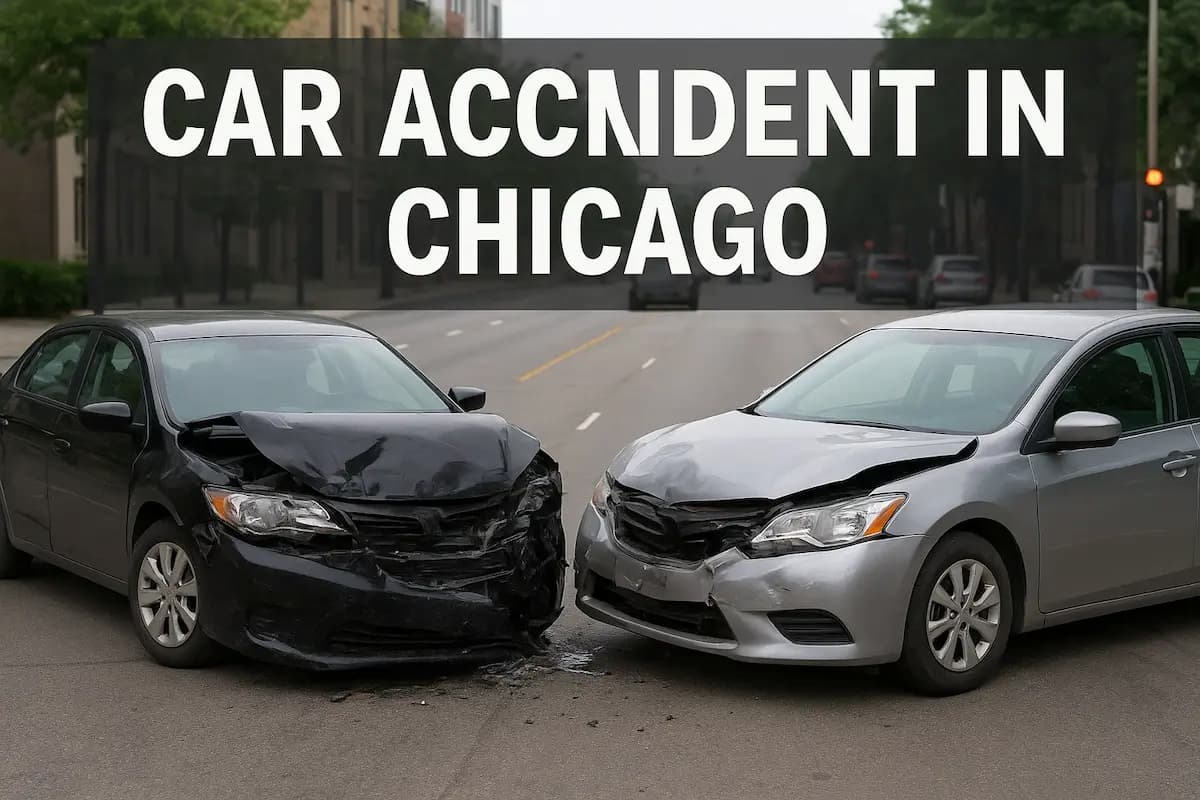
  • Can a Car Accident Cause Chiari Malformation? Understanding the Link

    Can a Car Accident Cause Chiari Malformation? Understanding the Link

    Yes. A car accident can trigger or worsen Chiari malformation in someone who already has the underlying structural issue, even if they never knew it was there. Chiari malformation is a condition where brain tissue extends into the spinal canal, typically because of how the skull formed before birth. It is rare for a crash to create the malformation itself. What trauma can do is push a silent, undiagnosed case into a symptomatic one, or make an already-diagnosed case measurably worse.

    That distinction matters more than it sounds like it should. It is the difference between a claim insurers dismiss on sight and one a treating neurologist can actually support with imaging and a documented timeline.

    Overview of Chiari Malformation

    Chiari malformation is a structural brain defect involving the cerebellum, the part of the brain sitting at the base of the skull. The condition is defined by the downward movement of one or both cerebellar tonsils through the foramen magnum – the opening where the skull connects to the spinal cord. Doctors classify Chiari malformation into four types, with Type I being the most common and generally the mildest. Type I often stays silent for decades. Symptoms, when they show up, tend to appear in late childhood or adulthood: headaches, neck pain, balance trouble, numbness, or dizziness.

    Can Trauma Cause Chiari Malformation, or Just Reveal It?

    This is the question that actually matters for a car accident claim. Chiari malformation is considered congenital in the overwhelming majority of cases – something you were born with, not something a crash builds from scratch. But a small, asymptomatic Chiari I malformation can sit undetected for years. Then a car accident happens. Whiplash or a direct head impact alters pressure inside the skull or shifts the position of the cerebellar tonsils just enough, and symptoms that were never there before start showing up within days or weeks.

    Insurance adjusters know this distinction exists, and they will use it. Expect an adjuster to argue the condition was “always going to happen” regardless of the crash. That argument only works if your medical records don’t tell a clear before-and-after story.

    The Four Types of Chiari Malformation

    Type I

    Type I is the most common and mildest form. The cerebellar tonsils extend into the upper cervical canal, usually more than 5 mm below the foramen magnum. Symptoms often don’t surface until late childhood or adulthood, and they typically include:

    • Headaches: often triggered by coughing, straining, or sudden movement.
    • Neck pain: from pressure on the structures near the skull base.
    • Balance problems: tied to cerebellar function.
    • Numbness, dizziness, or swallowing difficulty: from pressure on nearby nerves.

    Type I is the version most relevant to car accident cases, precisely because it’s the type most likely to sit undiagnosed until something – often trauma – forces it into the open.

    Type II

    Known as Arnold-Chiari malformation, Type II is more severe and is usually linked with myelomeningocele, a form of spina bifida. Both the cerebellum and brainstem extend into the foramen magnum. It’s typically diagnosed in infancy, well before any car accident could be a factor, and can involve neurological deficits or hydrocephalus (fluid buildup in the brain).

    Type III

    Rare and serious. Portions of the cerebellum and brainstem protrude through a defect in the skull or neck, usually apparent at birth. It requires immediate medical intervention and is not a type that develops or first appears in adulthood after trauma.

    Type IV

    The rarest and most severe form, marked by underdevelopment of the cerebellum rather than displacement. Most infants born with Type IV do not survive infancy. Like Types II and III, it has no real bearing on adult car accident cases.

    A medical illustration showing the brain and spinal cord, highlighting the compression of the cerebellum in Chiari malformation, with a car accident in the background symbolizing potential trauma.
    Chiari malformation and head trauma: how a car accident can turn a silent condition into a symptomatic one.

    What the Medical Research Actually Shows

    The link between trauma and symptomatic Chiari malformation isn’t folklore. It’s been studied.

    • Freeman and Kornel’s MRI review: This study, examining a large series of MRI scans, found a relationship between whiplash-type injuries and symptomatic Chiari malformations. The authors concluded trauma could activate a previously silent Chiari malformation or worsen one that was already causing mild symptoms.
    • Minor trauma case review: In a review of 85 Chiari malformation patients who had experienced minor head or neck trauma, researchers identified trauma as a likely symptom trigger in 11 cases, with three meeting strict causation criteria. Two of those three involved car accidents specifically.
    • Clinical pattern: Neurologists and neurosurgeons routinely see patients whose Chiari symptoms began within days or weeks of a traumatic event, even when imaging later confirms the underlying malformation had likely existed for years.

    None of this proves a car accident single-handedly created a Chiari malformation from nothing. It proves the opposite point, and it’s the one that matters for a claim: trauma can turn a silent structural condition into a disabling one.

    How the Mechanism Works

    • Acceleration-deceleration forces: The whip-like head movement in a rear-end or high-speed collision can push the cerebellar tonsils further down through the foramen magnum, disrupting cerebrospinal fluid flow.
    • Increased intracranial pressure: Swelling or bleeding from head trauma raises pressure inside the skull, which can push brain structures downward and aggravate an existing malformation.
    • Structural shift: Severe trauma can physically alter brain positioning within the skull in ways that intensify existing symptoms or, in rare documented cases, appear to contribute to new ones.

    Symptoms to Watch For After a Chicago Car Accident

    Not every headache after a crash means Chiari malformation. Most don’t. But the overlap between ordinary post-crash symptoms and Chiari symptoms is real enough that it’s worth knowing what you’re looking at.

    Typical post-accident symptoms – neck stiffness from whiplash, headaches from a mild concussion, dizziness, fatigue – usually improve within days to a few weeks. Chiari-related symptoms tend to behave differently. The headaches often concentrate at the base of the skull and get worse specifically with coughing, straining, or bending forward. Neck pain doesn’t respond the way ordinary whiplash pain does. Dizziness can persist well past the point where a standard concussion would have resolved.

    See a doctor promptly if any of the following happen after a crash:

    • Headaches or neck pain that don’t improve, or that get worse, over two to three weeks.
    • New symptoms appearing later – memory problems, trouble concentrating, vision changes.
    • Confusion, slurred speech, nausea, vomiting, or any loss of consciousness – these need urgent evaluation, not a wait-and-see approach.

    Waiting on these symptoms doesn’t just risk your health. It gives an insurance company room to argue the delay proves the condition wasn’t accident-related at all.

    Diagnosing Chiari Malformation After a Crash

    Diagnosis after trauma follows a fairly standard path: medical history, neurological exam, and imaging. Two tools do most of the work.

    MRI is the primary diagnostic tool. It shows the downward displacement of the cerebellar tonsils, along with any related buildup or disruption in cerebrospinal fluid flow. CT scans are used mainly to rule out bony injuries at the skull base, or when an MRI isn’t immediately possible.

    What matters for a legal claim isn’t just the imaging – it’s the timeline. A neurologist comparing pre-accident and post-accident records, or documenting exactly when symptoms first appeared relative to the crash date, is doing the work that later separates a strong claim from one an insurer can pick apart.

    There’s also a differential diagnosis question doctors have to work through. Persistent headaches and dizziness after a crash could mean a concussion, cervical spine injury, or a Chiari malformation making itself known for the first time – and these aren’t mutually exclusive. It’s common for a patient to have a mild traumatic brain injury on top of a newly symptomatic Chiari malformation. Sorting out which symptoms belong to which condition is part of why specialist follow-up, not just an ER discharge, matters for both your health and your claim.

    Treatment Options

    Treatment depends heavily on severity.

    Mild or moderate cases are often managed without surgery: pain management, physical therapy to improve neck strength and flexibility, and lifestyle adjustments like avoiding heavy lifting or high-impact activity that aggravates symptoms.

    Severe or progressive cases may require posterior fossa decompression surgery – removing a small section of skull bone to relieve pressure and restore normal cerebrospinal fluid flow. Recovery typically involves physical therapy, staged follow-up imaging, and long-term activity adjustments. This is not a minor procedure, and the associated costs – surgical, rehabilitative, and often years of follow-up care – are exactly the kind of damages a personal injury claim is built to cover.

    An Illustrative Example (Hypothetical, Not an Actual Case)

    Consider a hypothetical Chicago driver, rear-ended at a stoplight on Lake Shore Drive. No airbags deployed. The ER visit that night turns up nothing more than “cervical strain,” and she goes home with instructions to take ibuprofen. Two weeks later the headaches haven’t faded – if anything, they’re worse when she coughs or bends over to pick something up. An MRI ordered by her primary care doctor finds a Chiari I malformation with tonsil descent that a treating neurologist believes was very likely present, but silent, before the crash.

    This is the exact fact pattern that turns into a fight with the insurer. The adjuster’s first move will be to argue the malformation pre-existed the crash and therefore isn’t compensable – which is true as to the malformation itself, but incomplete as to what actually happened. Illinois law does not require an accident to create a condition from nothing for it to support a claim; aggravation of a pre-existing condition is a recognized basis for damages, provided the medical evidence supports that the trauma caused the change. That’s a general principle of Illinois personal injury law, not a guarantee of any particular outcome, and it’s exactly why the medical timeline described above matters as much as the diagnosis itself.

    Illinois Filing Deadlines and Comparative Fault

    Two structural pieces of Illinois law apply to a claim like this, on top of the medical questions.

    First, the statute of limitations. Illinois generally gives injury victims two years from the date of the accident to file a personal injury lawsuit (735 ILCS 5/13-202). A Chiari-related claim complicates this in one specific way: if symptoms don’t surface for weeks or months after the crash, the clock is still generally running from the accident date, not from the diagnosis date. That’s part of why prompt medical evaluation after any Chicago crash matters, even when the injury doesn’t feel urgent at first.

    Second, comparative fault. Illinois follows a modified comparative negligence rule: if you’re found more than 50% at fault for the crash, you can’t recover damages at all, and any recovery is reduced by your percentage of fault. This rarely has anything to do with the medical condition itself, but it shapes how much of a Chiari-related damages claim you actually collect if liability for the crash is disputed.

    Practically, a personal injury lawsuit arising from a Chicago-area crash is typically filed in the Circuit Court of Cook County. Cases seeking significant damages, which a Chiari-related claim involving surgery or long-term care often does, are generally handled in the court’s Law Division. None of that changes the medical proof required, but it’s worth knowing before you’re navigating court deadlines on top of a new diagnosis.

    Legal and Insurance Considerations

    Documentation Is the Whole Case

    Medical records do three jobs in a claim like this. They prove the injury exists and describe its severity. They document that the treatment received was necessary and reasonable. And they establish causation – the link between the crash and the condition.

    That third job is the hard one. Causation for an aggravated pre-existing condition isn’t automatic. It has to be built, deliberately, out of a clear timeline: what you felt before the crash, what changed after it, and what a treating physician is willing to say in writing about the connection.

    What an Attorney Actually Does Here

    A personal injury attorney’s job on a case like this isn’t paperwork. It’s three specific things.

    Coordinating with your treating physicians to get the causation opinion documented clearly – not just “patient has Chiari malformation,” but “trauma from the collision is consistent with the onset/worsening of these symptoms.” Negotiating against an insurer that will lean hard on the “pre-existing condition” argument, because that argument is their strongest card and they’ll play it early. And valuing the claim correctly, including future medical costs if surgery or long-term monitoring is likely, not just the bills already on file.

    Frequently Asked Questions

    Can a car accident cause Chiari malformation?

    Not typically from nothing. Chiari malformation is a congenital, structural condition. What a car accident can do is trigger symptoms in someone who has an undiagnosed, previously silent case, or worsen symptoms in someone already diagnosed. Medical literature supports trauma as a plausible trigger for symptom onset, not as a cause of the underlying malformation itself.

    What symptoms should I watch for after a crash?

    Neck pain or stiffness, persistent or worsening headaches (especially ones triggered by coughing or straining), dizziness, numbness or tingling, and any change in concentration or personality. Symptoms can take days or weeks to show up, which is exactly why a follow-up exam matters even if the ER visit looked clean.

    How is Chiari malformation diagnosed after an accident?

    Through a combination of neurological exam and MRI, which shows the position of the cerebellar tonsils and any related cerebrospinal fluid disruption. A CT scan may be used to check for bony injury or when MRI isn’t immediately available.

    Is surgery always necessary?

    No. Many people with Type I Chiari malformation manage the condition with pain management, physical therapy, and activity adjustments. Posterior fossa decompression surgery is generally reserved for severe, progressive, or quality-of-life-limiting cases.

    Does the two-year filing deadline start at the accident or at diagnosis?

    Generally the accident date, under 735 ILCS 5/13-202. This is exactly why delayed-onset conditions like a trauma-triggered Chiari malformation are risky to sit on – don’t wait for a diagnosis to consult an attorney if you’re already past the early weeks after a crash.

    Can I recover compensation if my pre-existing condition got worse?

    Generally yes, if the medical evidence supports that the accident caused the worsening. This is a well-established principle in Illinois personal injury law, though every case turns on its own medical facts. Document everything and talk to an attorney before you accept any settlement offer that assumes the condition was unrelated to the crash.

    What if I was already diagnosed with Chiari malformation before the accident?

    You can still have a claim. The question shifts from “did the accident cause this” to “did the accident make this measurably worse.” That’s a harder argument to make without solid before-and-after medical records, but it’s a recognized category of damages, not a dead end. A neurologist willing to compare your pre-accident baseline to your post-accident symptoms is the key piece of evidence here.

    Next Steps if You’re Dealing With This

    Get evaluated promptly, even if your ER discharge paperwork says “cervical strain, resolved.” Ask specifically about Chiari malformation if your headaches or neck pain don’t fit the usual whiplash pattern – worse with coughing or straining is the tell. Keep every record: ER visit, follow-up appointments, imaging, physical therapy notes, and a personal log of when symptoms changed.

    If you’ve been in a car accident in Chicago and you’re now dealing with new or worsened Chiari malformation symptoms, talk to a lawyer before you talk to the other driver’s insurance company. At Phillips Law Offices, our car accident injury attorneys handle exactly this kind of pre-existing-condition dispute. Call (312) 346-4262 or reach out through our website to talk through what happened and what your medical records will need to show.

    Authoritative Sources

    Related Chicago Accident Guides

    Related guides on injuries and medical treatment

    Talk to a Chicago car accident lawyer. Phillips Law Offices offers a free case review, and there is no fee unless we recover for you. Call (312) 346-4262 or request a free case review.

    This article is general information about Illinois law, not legal advice, and reading it does not create an attorney-client relationship. Illinois law changes; confirm anything you intend to rely on with a licensed Illinois attorney.

  • What is Auto Accident Settlement?

    What is Auto Accident Settlement?

    An insurance adjuster will not tell you what your Illinois car accident claim is actually worth. That number comes from medical documentation, wage records, comparative-fault percentages, and how strong the evidence file is, not from what feels fair after a bad month.

    Most people find that out the hard way.

    What an Auto Accident Settlement Actually Is

    A settlement is a negotiated agreement that resolves a car accident claim without a trial. One side, usually the at-fault driver’s insurer, pays a sum of money, and in exchange you release them from further liability tied to that crash. It’s a contract. Once you sign a release, the claim closes permanently, even if your injuries turn out to be worse than expected six months later.

    That finality is the reason timing matters more than most people assume going in.

    Illinois Is a Fault State, Not a No-Fault State

    Illinois does not run on a no-fault insurance system. Unlike Michigan or Florida, there’s no personal injury protection requirement here, and you don’t have to clear an injury threshold before you’re allowed to sue. The driver who caused the crash, or more precisely, their insurer, is directly on the hook for your damages.

    People who’ve relocated from a no-fault state get this wrong constantly. It changes the whole claims strategy, because in Illinois there’s no separate PIP claim to fall back on while liability gets sorted out. You’re negotiating against the at-fault carrier from day one.

    The 51% Bar Rule

    Illinois follows modified comparative negligence under 735 ILCS 5/2-1116. If a jury or adjuster finds you 50% or less at fault, your recovery gets reduced by that percentage. Cross the 51% line and you recover nothing, not a reduced amount, nothing.

    A driver who runs a red light and hits you is usually assigned 100% fault. But if you were going five miles over the limit at the moment of impact, an adjuster will try to pin 10-15% on you. On a claim worth $200,000, that’s $20,000-$30,000 walking out the door over a technicality that had nothing to do with why the crash happened. This is precisely why insurers raise comparative-fault arguments on cases that otherwise look clean.

    Cross 51% at fault in Illinois and you don’t get a reduced payout. You get zero.

    A Worked Example of Comparative Negligence

    Numbers make this easier to see than percentages alone. Say a jury values your damages, medical bills, lost wages, pain and suffering combined, at $100,000. If you’re found 20% at fault, you collect $80,000. At 40%, you collect $60,000. At 51%, you collect nothing, even though a $100,000 injury is exactly as real at 51% fault as it is at 49%.

    That cliff edge is why insurers spend so much effort nudging your fault percentage from 49% to 51% instead of arguing your injuries are less severe. It’s a cheaper argument to win, and the payoff for the insurer is total rather than partial.

    When an Insurer Delays Instead of Denies

    Some insurers don’t deny a claim outright. They just stop responding. Illinois regulates this under 215 ILCS 5/154.6, the Unfair Claims Settlement Practices provisions enforced by the Illinois Department of Insurance, which require insurers to acknowledge claims promptly and act on them in good faith rather than sitting on a file indefinitely.

    Silence isn’t a neutral holding pattern. It’s a tactic. The longer a claim sits, the more pressure builds on someone who’s out of work and behind on medical bills to take whatever number eventually gets offered, just to make the waiting stop. Documenting every call, every unanswered voicemail, and every missed deadline matters if this drags on, because a pattern of delay can itself become part of a bad-faith argument later.

    What Actually Moves the Number Up or Down

    Two crashes with identical vehicle damage can settle $40,000 apart. The gap usually comes down to a handful of variables:

    • Whether liability is clean or disputed, a contested fault fight suppresses every offer until it’s resolved
    • Objective medical findings (an MRI showing a disc herniation) versus subjective complaints alone
    • Length and consistency of treatment, with unexplained gaps working against you
    • Whether injuries are permanent or fully resolve, since permanency drives future-damages calculations
    • The at-fault driver’s policy limits, a catastrophic injury against a $25,000 minimum policy caps recovery unless there’s excess coverage, an umbrella policy, or a viable underinsured motorist claim
    • Venue. Cook County juries have historically returned higher verdicts than several collar counties, and insurers price their offers with that in mind before a case is even filed

    Policy limits surprise people the most. A driver can be 100% at fault and catastrophically injure you, and the payout still stops at whatever coverage exists, which is exactly why checking your own underinsured motorist coverage matters before you assume the other driver’s policy will make you whole.

    Settling Versus Filing Suit

    Most claims never see a courtroom. Settling is faster, skips the discovery process, written interrogatories, depositions, sometimes an independent medical exam performed by a doctor the insurer selects, and avoids the current Cook County Law Division backlog, where a case can take two to three years to reach trial.

    Filing suit isn’t a failure of negotiation. Sometimes it’s the only way to get an insurer to take a claim seriously, since a case with a trial date on the calendar gets valued differently than one still sitting in the pre-suit negotiation pile. It costs more and takes longer, but it resets who’s actually under pressure to move.

    There’s a second case worth looking at, because it cuts the opposite direction from the rear-end example above. A T-bone crash at an intersection near Western and Belmont, both drivers claiming they had the green light, no independent witnesses, only a gas station camera angled the wrong way. Medical bills are actually higher here, $22,000, including an ER visit and a course of injections, but the case sits closer to $15,000-$20,000 in early settlement talks, not the $50,000+ the medical specials alone might suggest, because disputed liability discounts everything until it gets resolved through additional investigation, an accident reconstructionist, or a jury.

    That’s the part people underestimate. Injury severity isn’t the only lever. Liability certainty moves the number just as hard, sometimes harder.

    How the Claims Process Actually Unfolds

    Step one is reporting. Call your own insurer within the window your policy requires, usually 24 to 72 hours, even if the other driver was clearly at fault. Failing to report promptly gives your insurer a technical excuse to deny coverage later, and Illinois courts have upheld denials on exactly that basis.

    Then comes evidence. Photos of vehicle damage from multiple angles. The police report number (Illinois crash reports filed with local departments are typically available through the Illinois State Police eCrash portal within 5-10 business days). Contact information for any witnesses who stopped, most won’t, so if someone does, get their number immediately.

    Medical treatment is where claims are won or lost. Gaps in treatment are the single most common thing insurers point to when lowballing an offer. If you wait three weeks after the crash to see a doctor because “it didn’t seem that bad at first,” the adjuster’s file will note that gap and argue your injuries came from something else. See a doctor within 72 hours even if you’re not sure anything is wrong. Whiplash and soft-tissue injuries frequently don’t hurt in the first day or two.

    Property damage and medical bills accumulate on separate tracks. Your health insurer or med-pay coverage typically pays medical bills as they come in, then asserts a lien against your eventual settlement, Illinois follows the common fund doctrine, meaning your attorney can often negotiate that lien down since the attorney’s work created the fund the lien is being paid from.

    Winter crashes complicate the fault question in ways summer crashes don’t. “The road was icy” isn’t automatically a defense for the other driver, Illinois law still expects drivers to adjust speed for conditions, and a driver who was following too closely or going too fast for black ice on the Kennedy or the Eisenhower can still be found negligent. Insurers know this and will still try the weather argument anyway. Don’t let a January crash get written off as “nobody’s fault” without pushing back.

    What Insurance Adjusters Actually Do

    An adjuster’s job is to close your file for as little money as the claim will allow while staying inside what a jury might plausibly award if it went to trial. That’s not cynicism, it’s the job description, and it’s worth understanding because it explains everything about how the process feels from your side.

    The first offer is almost never the real number. Adjusters are trained to open low and see whether you push back. If you accept the first offer, which averages significantly below what represented claimants recover on comparable injuries, the file closes and that’s the end of it, permanently, since you signed a release.

    Recorded statements are another pressure point. An adjuster may call within days asking to “get your side of the story on tape.” You are not required to give one to the other driver’s insurer. Anything you say, including an offhand “I’m fine” said out of politeness, can be used later to argue your injuries weren’t serious.

    What a Case Like This Might Look Like

    Picture a rear-end collision at a stoplight on Lake Shore Drive. The other driver was checking a phone and never braked. The claimant goes to urgent care the same day, gets diagnosed with a cervical strain, does eight weeks of physical therapy, and misses two weeks of work.

    Medical bills run around $9,000. Two weeks of lost wages add another $2,200. Add pain and suffering, typically calculated as some multiple of the medical specials depending on severity and duration of recovery, and a case like this often settles somewhere in the $25,000-$45,000 range, assuming clean liability and no pre-existing injury complications. Change any one variable, a pre-existing back condition, a gap in treatment, disputed liability, and that range moves substantially in either direction.

    This is illustrative, not a promise. Every case turns on its own facts, and anyone telling you an exact number before reviewing your medical records and the police report is guessing.

    The Role of an Attorney

    An attorney’s negotiating position comes from being willing and able to file suit if the offer doesn’t reflect the damages. Insurers know the difference between an unrepresented claimant and a firm with a track record of taking cases to the Cook County Law Division when negotiations stall, and they price their offers accordingly.

    Beyond negotiation, an attorney handles the parts that are easy to get wrong: calculating the full value of future medical care for injuries that haven’t finished healing, dealing with subrogation liens from health insurers, and making sure the statute of limitations doesn’t quietly expire while you’re still waiting on a fair offer.

    How Attorney Fees Actually Work

    Almost every personal injury attorney in Chicago works on contingency. No hourly billing, no retainer, no invoice while the case is open.

    The fee is a percentage of whatever gets recovered, commonly one-third if the case settles before a lawsuit is filed, sometimes higher (around 40%) if it goes into litigation, since litigation multiplies the attorney’s time and out-of-pocket costs for expert witnesses, court reporters, and filing fees. If there’s no recovery, there’s typically no fee owed for the attorney’s time. Case costs, records requests, expert fees, are usually advanced by the firm and repaid out of the settlement, which is why “free consultation, no fee unless we win” isn’t just a slogan; it’s how the fee structure actually works.

    Read the fee agreement before signing it. Ask specifically what happens to costs if the case doesn’t result in a recovery, since that varies firm to firm and isn’t always obvious from the marketing.

    Statute of Limitations, Don’t Let This Slip

    Under 735 ILCS 5/13-202, Illinois gives you two years from the date of the crash to file a personal injury lawsuit. Miss it, and your claim is barred permanently, regardless of how strong the evidence is.

    There’s a sharp exception. Claims against a government entity, a CTA bus, a city vehicle, a pothole on a municipal road, fall under the Illinois Local Governmental and Governmental Employees Tort Immunity Act, which can cut that window down to one year and adds a notice requirement that has to be satisfied even sooner. If a government vehicle or government-maintained property was involved, treat the timeline as urgent from day one.

    If a Child Was Injured in the Crash

    The two-year clock doesn’t run the same way for minors. Under Illinois law, the statute of limitations for a minor’s personal injury claim is tolled until they turn 18, then the standard filing window applies from there. In practice, that means a parent can often wait, though waiting isn’t usually the right call, since evidence and witness memory degrade regardless of the legal deadline.

    There’s a separate wrinkle. Any settlement on behalf of a minor in Illinois typically requires court approval, a probate or circuit court judge has to review and sign off on the terms before the money is disbursed, and funds are frequently required to be held in a restricted account until the child turns 18. This isn’t optional paperwork. Skipping it can unwind a settlement after the fact.

    Frequently Asked Questions

    What is an auto accident settlement?

    It’s a negotiated financial agreement, usually with the at-fault driver’s insurance company, that resolves your claim and releases them from further liability for that specific crash.

    How long does an Illinois auto accident claim take to settle?

    Straightforward claims with clear liability and finished medical treatment can resolve in a few months. Cases involving surgery, disputed fault, or a government defendant routinely take a year or more. Settling before treatment is finished is usually a mistake, once you sign, you can’t go back for more if your injury turns out to need surgery down the line.

    What damages can I actually recover?

    Medical expenses (past and reasonably certain future costs), lost wages, lost earning capacity if the injury affects your ability to work long-term, property damage, and pain and suffering. Punitive damages are rare and require a showing of willful or wanton conduct, not ordinary negligence.

    Do I need a lawyer for a minor fender-bender?

    Not always. If there’s no injury, liability is undisputed, and property damage is the only issue, many people handle it directly with the insurer. Once there’s an injury, even one that seems minor at first, the calculus changes, because you can’t predict at week one whether a “minor” strain resolves in ten days or ten months.

    What if the insurance company’s offer feels too low?

    You’re not required to accept it. Counter with documentation, medical records, wage-loss verification, repair estimates, and be prepared to negotiate. If the gap stays wide, that’s usually the point where legal representation starts paying for itself.

    Can I reopen a settlement after I’ve signed the release?

    No. This is the single most important thing to understand before signing anything. The release is final. That’s why rushing to accept a quick offer before your medical treatment is complete is one of the costliest mistakes claimants make.

    What if the other driver didn’t have insurance, or fled the scene?

    Your own uninsured motorist (UM) coverage steps in. Illinois requires insurers to offer UM coverage at least equal to your liability limits, though most drivers don’t realize this coverage exists until they need it. Hit-and-run claims fall under UM as well, provided the collision is reported to police within the timeframe your policy specifies, usually promptly, often within 24 hours.

    Is my settlement taxable?

    Generally, no. Under IRC Section 104(a)(2), compensation for physical injury or physical sickness is excluded from federal taxable income. There are exceptions, punitive damages and interest that accrues on a judgment are taxable, so it’s worth a quick conversation with whoever handles your taxes once a number is on the table, particularly on larger settlements.

    What to Bring to a Free Consultation

    A consultation goes faster, and gives you a more useful answer, if you show up with what you already have rather than trying to remember details out loud. Useful documents include:

    • The police report or the report number, if you haven’t received the full report yet
    • Photos of vehicle damage, the accident scene, and any visible injuries
    • Insurance correspondence, your policy declarations page and anything the other driver’s insurer has sent
    • Medical records or at least a list of every provider you’ve seen since the crash
    • Pay stubs or a wage statement if you missed work
    • Contact information for any witnesses

    Don’t have all of it. Most people don’t, especially in the first week. Bring what exists and an attorney can help track down the rest.

    Talk to Someone Before You Sign Anything

    If you’ve been in a crash and an adjuster is already calling, get a second opinion before you agree to anything in writing. A free consultation costs nothing and gives you a real read on whether the number on the table reflects what your claim is actually worth.

    Waiting doesn’t cost you anything either, except when it does. The two-year clock started the moment the crash happened, whether or not you’ve called anyone yet.

    One more thing worth saying plainly: an insurance adjuster works for the company paying the claim, not for you. That’s not an accusation, it’s just the structure of the relationship, and it’s the reason so much of this guide comes back to documentation, deadlines, and knowing what a claim like yours has actually settled for before you agree to anything.

    Authoritative Sources

    Related Chicago Accident Guides

    For an overview of how Illinois car accident claims work and how the firm handles them, see our Chicago car accident lawyer page.

    Related guides on what your claim is worth

    Talk to a Chicago car accident lawyer. Phillips Law Offices offers a free case review, and there is no fee unless we recover for you. Call (312) 346-4262 or request a free case review.

    This article is general information about Illinois law, not legal advice, and reading it does not create an attorney-client relationship. Illinois law changes; confirm anything you intend to rely on with a licensed Illinois attorney.

This will close in 20 seconds


This will close in 20 seconds

Call (312) 346-4262 Free Case Review