
Blog

  • How to Find the Right Parking-Lot Crash Lawyer in Chicago

    How to Find the Right Parking-Lot Crash Lawyer in Chicago

    In my 30+ years representing Chicago parking-lot crash victims, I have learned that two myths kill more of these claims than any defense lawyer ever has. The first is that parking-lot speeds are too low to cause real injury. The second is that fault in a parking-lot crash is impossible to prove. Both are wrong, and the carriers count on you believing them.

    Parking lots in Chicago, from Costco on Cicero to the small lots behind every Lincoln Park restaurant, produce thousands of injury claims a year. The crashes are low-speed but high-conflict, and the witnesses are often other shoppers who are happy to call your phone if asked. This guide walks through how Illinois law allocates fault in parking-lot cases, what injuries actually flow from these crashes, and the carrier playbook for shrinking them.

    Why Parking-Lot Crashs Are More Serious Than People Think

    Parking-lot crashes look minor and rarely make the news, but they are responsible for an outsized share of Cook County personal-injury claims. The Insurance Information Institute estimates parking-lot crashes account for about one in five of all reported collisions. In Chicago, the dense mix of pedestrians, shopping carts, distracted drivers in confined spaces, and inadequate sightlines produces a steady volume of these claims.

    The speeds are low, but the geometry is hostile. A driver backing out of a space cannot see clearly. Two drivers backing out of opposite spaces meet in the middle of an aisle that was never designed for that maneuver. Pedestrians walk between rows assuming drivers will see them. A rideshare passenger steps out into a moving lane. The end result is a low-energy impact that still produces significant injury, especially in older clients and pedestrians.

    The most common parking-lot crash scenarios I see in Chicago include:

    • Two drivers backing out of opposite spaces simultaneously
    • A driver backing into a vehicle proceeding down the aisle
    • A driver turning across an aisle and striking a vehicle in the lane
    • A driver striking a pedestrian walking between rows
    • A driver striking a shopping cart or stroller
    • Drive-through and pickup-lane rear-end collisions
    • Distracted-driver impacts in confined low-speed environments

    Illinois Law on Parking-Lot Crash Cases

    Illinois law applies the same negligence and comparative-fault framework to parking-lot crashes as it does to public-roadway crashes. The duty is to operate the vehicle with reasonable care for the conditions, including the obvious presence of pedestrians, other backing vehicles, and limited sightlines. Failure to keep a proper lookout, failure to yield, and failure to maintain control are the recurring liability theories.

    The modified comparative fault rule of 735 ILCS 5/2-1116 applies. The carrier’s go-to argument in parking-lot cases is shared fault, because that pushes percentages up. A driver backing out of a space owes a duty to look; a driver proceeding down the aisle owes a duty not to drive faster than conditions allow. Both can be partly at fault, but the allocation matters.

    The two-year personal injury statute under 735 ILCS 5/13-202 applies. Where the lot is on city or county property, governmental notice rules may apply with shorter deadlines.

    Common Injuries I See in Parking-Lot Crash Cases

    Parking-lot injuries are routinely dismissed by adjusters as “too minor to be real.” The medical evidence repeatedly says otherwise. The recurring patterns in my cases:

    • Whiplash and cervical strain from low-speed rear-ends in drive-throughs and pickup lanes.
    • Shoulder injury from bracing against the steering wheel during a backing impact.
    • Lumbar strain and disc injury from torsional impact when the vehicle is struck at an angle.
    • Lower-extremity injury in pedestrians struck while walking between rows, including tibial fractures, knee ligament injury, and ankle fractures.
    • Hip and pelvic injury in older clients struck while walking, where the kinetic threshold for serious fracture is lower.
    • Traumatic brain injury in pedestrian strikes, even at low driver speeds, because the head can contact the windshield, the hood, or the pavement after the strike.

    How Insurance Companies Try to Minimize Parking-Lot Crash Claims

    Parking-lot cases are the carriers’ favorite category to undervalue. The recurring tactics:

    • “Low impact, low injury.” Adjusters wave photos of barely-dented bumpers at juries. The medicine does not work that way. The body absorbs the energy the bumper did not.
    • “You were also at fault.” The shared-fault argument is reflexive in parking-lot cases. Witnesses, lot surveillance, and aisle-marking analysis defeat it case by case.
    • “You should have seen them backing.” The argument that the proceeding driver could have anticipated the backing maneuver is everywhere. Reaction-time analysis answers it.
    • Quick lowball offers. A fast offer is a sign the carrier wants the case closed before MRI or specialist treatment.
    • Pre-existing condition attribution. Standard tactic, defeated by the eggshell-plaintiff rule.

    Do not give the other driver’s carrier a recorded statement. Let counsel handle the file.

    Common Mistakes That Hurt Parking-Lot Crash Cases

    The biggest mistakes in parking-lot cases:

    • Accepting a verbal “we will handle the damage” agreement at the scene without exchanging insurance information and without a police report.
    • Skipping the ER because the impact felt minor. Soft-tissue and concussion symptoms often present hours later.
    • Not photographing the parked vehicles before either driver moves them.
    • Not asking nearby businesses for their lot surveillance video within the first week (most retention windows are 7 to 30 days).
    • Giving the other driver’s insurer a recorded statement before legal advice.
    • Posting on social media about the crash or your activities afterward.
    • Missing the two-year statute of limitations because the property-damage claim was settled quickly and the injury claim was forgotten.

    How Phillips Law Offices Approaches Parking-Lot Crash Cases

    When clients ask about my firm’s approach to Chicago parking-lot crash cases, the answer is in our track record, the trial bench we have built, and the way we treat every file as if it could go to a jury.
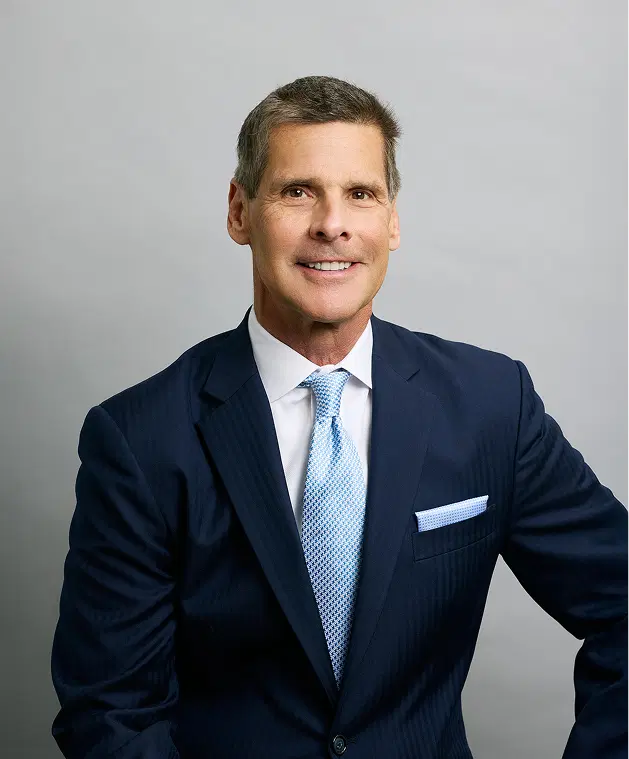
    Stephen Phillips, Chicago personal injury lawyer at Phillips Law Offices

    Phillips Law Offices

    Chicago Parking-Lot Crash Attorneys at Phillips Law Offices

    Phillips Law Offices represents Chicago drivers, passengers, and pedestrians injured in parking-lot crashes at shopping centers, restaurants, hotels, grocery stores, hospital lots, and drive-through lanes across Cook County. The firm has experience with both private commercial lots and city-owned parking facilities.

    What sets the firm apart in parking-lot cases is its insistence on early evidence preservation, especially surveillance footage from the property and from neighboring businesses. The firm sends same-week preservation letters to the property owner and to any nearby businesses with parking-aisle camera coverage.

    A Legacy of Parking-Lot Crash Excellence Since 1945

    Phillips Law Offices was founded in 1945 and has spent eight decades representing injured Illinois residents. Few firms in the state can claim that kind of continuity. Three generations of Phillips attorneys have built the firm’s reputation in the Cook County personal injury bar, and that institutional memory shows up in how each parking-lot crash case is investigated, valued, and tried.

    Stephen D. Phillips, who leads the firm today, has personally handled some of Illinois’s most significant injury and wrongful-death verdicts. He brings the same level of preparation to a serious parking-lot crash case as he brings to a multimillion-dollar medical malpractice trial. The firm’s philosophy is that every client deserves that level of attention, regardless of the dollar value on the file.

    That practical investigation discipline is why the firm wins parking-lot cases that other firms decline as too small to litigate.

    Comprehensive Parking-Lot Crash Representation

    Phillips Law Offices handles the full range of Chicago parking-lot crash claims, including:

    • Backing-out vs. backing-out collisions
    • Driver-vs-aisle-proceeding-vehicle impacts
    • Pedestrian strikes in parking lots and garages
    • Drive-through and pickup-lane rear-ends
    • Stroller and shopping-cart strikes
    • Premises-liability cases involving inadequate lot design or lighting
    • Hit-and-run parking-lot incidents (lot surveillance recovery)
    • Commercial-driver parking-lot crashes (delivery vans, rideshare)

    The firm coordinates medical record collection, accident reconstruction, lost-wage documentation, and expert testimony so the client can focus on recovery rather than paperwork.

    Proven Results in High-Value Parking-Lot Crash Cases

    The verdicts and settlements below reflect the kinds of catastrophic-injury and wrongful-death outcomes Phillips Law Offices has achieved over the years. They are not all parking-lot crash cases, but each one demonstrates how the firm approaches a serious-injury claim: full investigation, full medical workup, and willingness to try the case if the insurer will not pay fair value. Those are the same principles applied to every Chicago parking-lot crash accident file.

    $550,000 Auto Collision With Back Surgery

    A 32-year-old client was broadsided in an auto collision and required back surgery. The case settled after three weeks of trial. A working-age client with a single significant orthopedic injury after a low-speed vehicle collision is exactly the profile of many parking-lot crash claims.

    $2,100,000 Workplace Vehicle (Forklift) Injury

    A 54-year-old man suffered serious leg injuries in a forklift accident. The defendant had offered only $100,000 before Phillips Law Offices took the case. Workplace and low-speed-vehicle injury verdicts inform the value of serious parking-lot pedestrian-strike cases where the kinetic threshold for catastrophic injury was low.

    $14,000,000 Permanent Neurological Injury

    A 46-year-old father suffered permanent neurological injuries after being improperly discharged from an emergency room in Mattoon, Illinois. The case required six years of litigation and a two-week jury trial. Catastrophic neurological-injury benchmarks inform the value of pedestrian-strike parking-lot cases that result in traumatic brain injury.

    $17,500,000 Surgical-Error Disability

    A 37-year-old man was severely disabled after hernia surgery. The case had been rejected by two prior firms before Phillips Law Offices took it and developed the medicine. Catastrophic disability cases inform the value of parking-lot cases producing permanent functional loss, even when the underlying impact was low-speed.

    $25,000,000 Dram Shop / Drunk-Driver Wrongful Death

    A widow’s husband of 40 years was killed by a drunk driver after the driver had consumed 21 shots and additional wine at two different restaurants. The firm pursued the dram-shop defendants in addition to the driver, resulting in one of the largest dram-shop recoveries in Illinois history. Where parking-lot crashes involve impaired or reckless drivers, the firm pursues every responsible party, including any commercial defendants.

    These outcomes are not promises of future results. Every case is evaluated on its own facts. They are evidence that the firm has the trial experience and the financial capacity to take a case the distance when an insurer refuses to pay fair value.

    Respected Trial Attorneys in Chicago

    Phillips Law Offices has built its reputation in front of Cook County juries, not in television commercials. Its lawyers are known on the Daley Center civil bench for thorough preparation, clean trial work, and disciplined cross-examination. That courtroom credibility translates into stronger settlement positions in parking-lot crash cases, because defense counsel and adjusters know the firm is prepared to try the case.

    The firm’s particular strengths include:

    • Decades of cumulative jury-trial experience in Illinois personal injury cases
    • In-house investigation and reconstruction resources for crash analysis
    • Long-standing relationships with Chicago-area orthopedic, neurology, and neuropsychology experts
    • Direct senior-attorney involvement on every file, not just signature appearances
    • Established protocols for handling underinsured-motorist arbitration
    • Strong working knowledge of commercial trucking regulations under FMCSA
    • A reputation for being unwilling to accept inadequate offers

    Meet the Attorneys at Phillips Law Offices

    Phillips Law Offices Chicago personal injury attorneys team photo

    Stephen D. Phillips

    The firm’s lead trial attorney, Stephen D. Phillips has spent more than three decades representing seriously injured Illinois residents and the families of victims of wrongful death. He has tried catastrophic injury, medical malpractice, and trucking cases to jury verdict throughout the state, and he personally directs the firm’s most complex parking-lot crash files.

    Stephen J. Phillips

    Stephen J. Phillips brings sharp investigative skills and a strong client-communication style to every case he handles. He works closely with parking-lot crash clients from the first call through resolution, coordinating medical documentation and economic-loss analysis.

    Terrence M. Quinn

    Terrence M. Quinn is a veteran Illinois trial lawyer who has handled significant injury and wrongful-death cases across the state. His preparation and cross-examination work have produced verdicts that move case values across the regional personal injury bar.

    Michael J. Phillips

    Michael J. Phillips contributes to the firm’s commercial-vehicle and trucking litigation practice. He focuses on the regulatory and motor-carrier issues that often decide the outcome of serious parking-lot crash cases involving a tractor-trailer or delivery truck.

    Alec D. Mesrobian

    Alec D. Mesrobian rounds out the firm’s trial team with a focus on case-development strategy and medical-evidence analysis. He works directly with clients on injury documentation and expert coordination.

    What Clients Say About Phillips Law Offices

    The firm’s Google reviews are written by clients who have lived through serious injury cases and come out the other side with the firm representing them. These are some of the recurring themes.

    Dani Berny describes a firm that took her case seriously from day one and kept her informed through every phase of the file.

    Khaled Aboushaala highlights the professionalism of the team and the result the firm obtained when other counsel had declined the case.

    Marge S. credits the firm with patient, careful work over many months of treatment and litigation.

    Brandon DeWitt recommends the firm for its responsiveness and the personal attention each client receives.

    Sasha Spektor emphasizes how the firm fought for full value rather than accepting the insurance company’s early offer.

    Reagan Tokoly describes the experience as one in which the family felt heard, respected, and properly represented.

    “I highly recommend Phillips Injury Attorneys of Chicago for anyone that needs a highly skilled injury lawyer in Chicago. Stephen Phillips has an amazing record of providing great representation throughout the greater Chicagoland area. If you’re living in Chicago, you should know about Stephen and his firm’s abilities to help people that have been involved in an accident. If I was ever in an accident, I would call Stephen Phillips.”

    Darrell Blue

    Client-Focused Representation

    Phillips Law Offices operates on a contingency-fee basis for personal injury cases, which means clients pay no attorney fees unless and until the firm recovers compensation for them. There is no fee for the initial case evaluation, and the firm advances the costs of investigation, expert review, and litigation.

    From the first phone call, a client speaks with a member of the legal team, not a referral service or a call center. That direct contact continues throughout the case. Clients receive plain-English updates, prompt responses to questions, and copies of the key documents in their file.

    The firm also handles communication with treating providers and health-insurance carriers, including hospital and ERISA liens, so that the final net recovery to the client is as large as the law allows.

    Deep Roots in Chicago and Illinois

    Phillips Law Offices is a Chicago firm in the fullest sense of the word. Its lawyers have practiced for generations in Cook County courtrooms, sat on bar association committees, and represented families from every neighborhood across the city and the collar counties.

    That local knowledge matters in parking-lot cases. The firm knows which Chicago shopping centers and commercial properties produce the most claims, the standard property-owner defense firms, and the Cook County judges who handle these cases.

    Why Clients Choose Phillips Law Offices for Chicago Parking-Lot Crash Cases

    The reasons clients and referring attorneys send parking-lot crash cases to Phillips Law Offices are concrete:

    • Eight decades of continuous Illinois personal injury practice
    • Multiple seven and eight-figure verdicts and settlements in catastrophic-injury cases
    • Senior-attorney involvement on every file
    • In-house investigation and accident reconstruction
    • Long-established medical expert network in Chicago
    • Trial readiness on every case, which strengthens settlement value
    • Direct handling of underinsured and uninsured motorist claims
    • Comprehensive commercial-trucking litigation experience
    • Transparent contingency-fee structure with no upfront cost to the client
    • Reputation for honest, plain-English communication with clients

    Those are the practical reasons. The deeper reason is that the firm treats every parking-lot crash client the way it would treat a family member injured in the same crash. Every case is evaluated on its own facts, and prior results do not predict future outcomes.

    Contact Phillips Law Offices

    Address: 161 N Clark St, #4925, Chicago, Illinois 60601
    Phone: (312) 346-4262
    Website: phillipslawoffices.com

    Frequently Asked Questions

    The carrier said the lot impact was too minor to cause my injuries. Is that true?

    No. The medicine does not work that way. Low-speed impacts can cause significant soft-tissue, joint, and concussive injury. The vehicle’s bumper absorbs visible damage; your body absorbs the energy. Your imaging and treatment records are the proof.

    Both of us were backing out at the same time. Am I out of luck?

    Not necessarily. Illinois comparative fault applies, but allocation matters. One driver usually began the maneuver first and one driver usually had the clearer sightline. Witnesses, lot surveillance, and the position of the vehicles at impact help us argue the allocation.

    The other driver and I exchanged information but never called police. Now they are saying it was my fault. What do I do?

    Call the responding non-emergency line and report the crash now. Locate any nearby businesses with cameras and request preservation before footage is overwritten. Document everything you remember about the scene in a written statement.

    I was struck while walking through the parking lot. Whose insurance pays for my injuries?

    Likely the at-fault driver’s auto liability coverage. If they were uninsured, your own UM coverage may apply. If the lot had inadequate lighting, no traffic markings, or other dangerous conditions, the property owner may share fault under premises-liability principles.

    The crash happened in a hospital parking lot. Are there different rules?

    If the lot is operated by a private hospital, standard premises-liability and auto-liability rules apply. If the lot is operated by a city or county hospital, governmental notice and immunity rules may apply with shorter deadlines.

    Authoritative Sources

    Related Chicago Auto Accident Guides

    Related guides on choosing a lawyer

    Questions about your own crash? Request a free case review or call (312) 346-4262.

    This article is general information about Illinois law, not legal advice, and reading it does not create an attorney-client relationship. Illinois law changes; confirm anything you intend to rely on with a licensed Illinois attorney.

  • What to Look for in a Chicago Uninsured Motorist Attorney

    What to Look for in a Chicago Uninsured Motorist Attorney

    In my 30+ years representing Chicago drivers injured by uninsured and underinsured motorists, I have learned that the moment the at-fault driver waves their inadequate insurance card at the scene is the moment your case shifts from a standard claim into a coverage analysis. Most clients have no idea that their own auto policy is now the primary recovery source, and most carriers are not in a hurry to explain it.

    Illinois law requires every auto policy to include uninsured motorist coverage, and the underinsured motorist provisions added by statute and regulation make these claims winnable when handled properly. This guide walks through how UM and UIM coverage actually works, what your carrier will try to argue, and the specific procedural traps that disqualify otherwise valid claims.

    Why Uninsured Motorist Claims Are More Serious Than People Think

    About one in seven Illinois drivers carries no auto insurance, and a much larger share carries the statutory minimum of $25,000 in bodily-injury liability per person. Either situation leaves a seriously injured victim with no realistic recovery from the at-fault driver. The crash is one financial problem. The coverage gap is the bigger one.

    Chicago has particular exposure to uninsured driving because of the mix of urban-density traffic, commuter volume from neighboring states with different insurance regimes, and a steady population of unlicensed drivers. Add to that the rideshare and delivery economy, where coverage can lapse the moment a driver logs off the platform, and uninsured-motorist scenarios become an everyday occurrence.

    The most common situations I see leading to UM/UIM claims include:

    • Crashes with completely uninsured drivers
    • Crashes with drivers carrying statutory minimum limits insufficient for the injuries
    • Hit-and-run cases where the at-fault driver is never identified
    • Rideshare and delivery-driver coverage gaps based on app status
    • Crashes with drivers in vehicles excluded from their policy
    • Crashes with drivers operating stolen vehicles

    Illinois Law on Uninsured Motorist Claim Cases

    Illinois auto insurance is governed by the Illinois Insurance Code and the Vehicle Code. Every policy must include UM coverage in at least the minimum statutory amount, and most policies include UIM coverage either by default or by election. The applicable provisions are at 215 ILCS 5/143a and 5/143a-2.

    Modified comparative fault under 735 ILCS 5/2-1116 applies inside the UM/UIM arbitration the same way it would in a court proceeding against the at-fault driver. If a jury (or arbitrator) finds you more than 50% at fault, you recover nothing. If you are 50% or less at fault, your damages are reduced by your percentage.

    UM/UIM claims are subject to the underlying personal-injury statute of limitations of two years under 735 ILCS 5/13-202, plus the policy’s separate notice requirements, which are often shorter and trigger denials when missed.

    Common Injuries I See in Uninsured Motorist Claim Cases

    The injury patterns in UM/UIM cases mirror the underlying crash type. What changes is the financial pressure on the client and the way the case has to be built. Common injury categories where UM/UIM coverage typically becomes the principal recovery source:

    • Catastrophic brain and spinal cord injury after an at-fault driver with $25,000 in liability coverage struck the client.
    • Surgical orthopedic injury (cervical or lumbar fusion, knee replacement, shoulder reconstruction) that exceeds minimum-limits coverage within the first hospital admission.
    • Wrongful death where statutory minimums do not begin to address the loss to the surviving family.
    • Multi-occupant injury where the at-fault driver’s per-accident limit is shared across two or more claimants.
    • Disfigurement and burn injury from vehicle fires that exhaust available coverage quickly.
    • Pediatric injury where minimum-limits coverage is inadequate to fund long-term care.

    How Insurance Companies Try to Minimize Uninsured Motorist Claim Claims

    Your own carrier becomes the adversary in a UM/UIM case. The recurring tactics include:

    • Late-notice denials. UM/UIM coverage usually requires prompt notice. A delay of weeks or months can be used to deny the claim.
    • Setoff arguments. Carriers will argue that the at-fault driver’s payment, medical-payments coverage, or workers’ compensation benefits should be subtracted from the UM/UIM limit. The setoff law is nuanced and worth fighting.
    • Stacking disputes. Where multiple vehicles or multiple policies are involved, carriers resist stacking even when the policy language supports it.
    • Pre-existing condition attribution. Standard tactic, defeated by the eggshell-plaintiff rule when the medicine is properly developed.
    • Lowball arbitration offers. UM/UIM arbitrations often produce better results than initial settlement positions. Know your numbers before deciding.

    Common Mistakes That Hurt Uninsured Motorist Claim Cases

    The mistakes that hurt UM/UIM claims most:

    • Settling with the at-fault driver’s carrier without written consent from your own UM/UIM carrier. That mistake alone can extinguish your underinsured-motorist claim.
    • Missing the policy’s notice deadline for UM/UIM, which can be 30 days or less.
    • Releasing the at-fault driver in exchange for policy limits without preserving subrogation language your UM/UIM carrier needs.
    • Failing to identify all available UM/UIM policies, including household-resident policies that may apply.
    • Skipping the ER because “the other driver had insurance, I’ll deal with it later.”
    • Giving recorded statements to your own carrier without legal review.
    • Posting on social media, which can be used against you in arbitration.

    How Phillips Law Offices Approaches Uninsured Motorist Claim Cases

    When clients ask about my firm’s approach to Chicago uninsured motorist claim cases, the answer is in our track record, the trial bench we have built, and the way we treat every file as if it could go to a jury.

    Stephen Phillips, Chicago personal injury lawyer at Phillips Law Offices

    Phillips Law Offices

    Chicago Uninsured Motorist Claim Attorneys at Phillips Law Offices

    Phillips Law Offices regularly handles UM and UIM claims for Chicago drivers, passengers, and pedestrians injured by uninsured or underinsured at-fault drivers. The firm pursues every available coverage source, including household-resident policies, umbrella policies, employer-provided coverage, and rideshare commercial layers.

    What sets the firm apart in UM/UIM cases is its insistence on early coverage analysis, before any settlement releases unintentionally extinguish other available coverage. The firm has secured multi-layer recoveries in cases where the initial coverage analysis missed key policies.

    A Legacy of Uninsured Motorist Claim Excellence Since 1945

    Phillips Law Offices was founded in 1945 and has spent eight decades representing injured Illinois residents. Few firms in the state can claim that kind of continuity. Three generations of Phillips attorneys have built the firm’s reputation in the Cook County personal injury bar, and that institutional memory shows up in how each uninsured motorist claim case is investigated, valued, and tried.

    Stephen D. Phillips, who leads the firm today, has personally handled some of Illinois’s most significant injury and wrongful-death verdicts. He brings the same level of preparation to a serious uninsured motorist claim case as he brings to a multimillion-dollar medical malpractice trial. The firm’s philosophy is that every client deserves that level of attention, regardless of the dollar value on the file.

    That coverage discipline is why families with serious injuries from minimum-limits drivers come to the firm. The recovery is not the at-fault driver’s $25,000. It is whatever the careful coverage analysis turns up.

    Comprehensive Uninsured Motorist Claim Representation

    Phillips Law Offices handles the full range of Chicago uninsured motorist claim claims, including:

    • Uninsured-driver UM arbitrations
    • Underinsured-driver UIM arbitrations after at-fault policy exhaustion
    • Hit-and-run UM claims (unidentified at-fault driver)
    • Phantom-vehicle UM disputes
    • Multi-policy stacking disputes
    • Rideshare and delivery coverage-gap claims
    • Household-resident policy UM/UIM claims
    • Umbrella policy UM/UIM coordination

    The firm coordinates medical record collection, accident reconstruction, lost-wage documentation, and expert testimony so the client can focus on recovery rather than paperwork.

    Proven Results in High-Value Uninsured Motorist Claim Cases

    The verdicts and settlements below reflect the kinds of catastrophic-injury and wrongful-death outcomes Phillips Law Offices has achieved over the years. They are not all uninsured motorist claim cases, but each one demonstrates how the firm approaches a serious-injury claim: full investigation, full medical workup, and willingness to try the case if the insurer will not pay fair value. Those are the same principles applied to every Chicago uninsured motorist claim accident file.

    $25,000,000 Dram Shop / Drunk-Driver Wrongful Death

    A widow’s husband of 40 years was killed by a drunk driver after the driver had consumed 21 shots and additional wine at two different restaurants. The firm pursued the dram-shop defendants in addition to the driver, resulting in one of the largest dram-shop recoveries in Illinois history. Where the at-fault driver was impaired and over-served, the firm pursues dram-shop defendants in parallel with UM/UIM claims to maximize recovery.

    $550,000 Auto Collision With Back Surgery

    A 32-year-old client was broadsided in an auto collision and required back surgery. The case settled after three weeks of trial. An auto-collision recovery in this range informs the typical UM/UIM arbitration valuation for a working-age driver with surgical orthopedic injury.

    $5,000,000 Trucking Collision Wrongful Death

    The spouse of a 53-year-old truck driver killed in a collision with the defendant’s truck recovered after the firm tried the case to closing argument. Trucking wrongful-death cases inform the value of UIM claims where the at-fault commercial vehicle carries coverage inadequate to the loss.

    $17,500,000 Surgical-Error Disability

    A 37-year-old man was severely disabled after hernia surgery. The case had been rejected by two prior firms before Phillips Law Offices took it and developed the medicine. Catastrophic-disability recoveries inform the value of high-dollar UIM stacking disputes where multiple policies are in play.

    $14,000,000 Permanent Neurological Injury

    A 46-year-old father suffered permanent neurological injuries after being improperly discharged from an emergency room in Mattoon, Illinois. The case required six years of litigation and a two-week jury trial. Permanent neurological injury benchmark verdicts inform UM/UIM valuation when the at-fault driver carried minimum limits and the client requires lifetime care.

    These outcomes are not promises of future results. Every case is evaluated on its own facts. They are evidence that the firm has the trial experience and the financial capacity to take a case the distance when an insurer refuses to pay fair value.

    Respected Trial Attorneys in Chicago

    Phillips Law Offices has built its reputation in front of Cook County juries, not in television commercials. Its lawyers are known on the Daley Center civil bench for thorough preparation, clean trial work, and disciplined cross-examination. That courtroom credibility translates into stronger settlement positions in uninsured motorist claim cases, because defense counsel and adjusters know the firm is prepared to try the case.

    The firm’s particular strengths include:

    • Decades of cumulative jury-trial experience in Illinois personal injury cases
    • In-house investigation and reconstruction resources for crash analysis
    • Long-standing relationships with Chicago-area orthopedic, neurology, and neuropsychology experts
    • Direct senior-attorney involvement on every file, not just signature appearances
    • Established protocols for handling underinsured-motorist arbitration
    • Strong working knowledge of commercial trucking regulations under FMCSA
    • A reputation for being unwilling to accept inadequate offers

    Meet the Attorneys at Phillips Law Offices

    Phillips Law Offices Chicago personal injury attorneys team photo

    Stephen D. Phillips

    The firm’s lead trial attorney, Stephen D. Phillips has spent more than three decades representing seriously injured Illinois residents and the families of victims of wrongful death. He has tried catastrophic injury, medical malpractice, and trucking cases to jury verdict throughout the state, and he personally directs the firm’s most complex uninsured motorist claim files.

    Stephen J. Phillips

    Stephen J. Phillips brings sharp investigative skills and a strong client-communication style to every case he handles. He works closely with uninsured motorist claim clients from the first call through resolution, coordinating medical documentation and economic-loss analysis.

    Terrence M. Quinn

    Terrence M. Quinn is a veteran Illinois trial lawyer who has handled significant injury and wrongful-death cases across the state. His preparation and cross-examination work have produced verdicts that move case values across the regional personal injury bar.

    Michael J. Phillips

    Michael J. Phillips contributes to the firm’s commercial-vehicle and trucking litigation practice. He focuses on the regulatory and motor-carrier issues that often decide the outcome of serious uninsured motorist claim cases involving a tractor-trailer or delivery truck.

    Alec D. Mesrobian

    Alec D. Mesrobian rounds out the firm’s trial team with a focus on case-development strategy and medical-evidence analysis. He works directly with clients on injury documentation and expert coordination.

    What Clients Say About Phillips Law Offices

    The firm’s Google reviews are written by clients who have lived through serious injury cases and come out the other side with the firm representing them. These are some of the recurring themes.

    Dani Berny describes a firm that took her case seriously from day one and kept her informed through every phase of the file.

    Khaled Aboushaala highlights the professionalism of the team and the result the firm obtained when other counsel had declined the case.

    Marge S. credits the firm with patient, careful work over many months of treatment and litigation.

    Brandon DeWitt recommends the firm for its responsiveness and the personal attention each client receives.

    Sasha Spektor emphasizes how the firm fought for full value rather than accepting the insurance company’s early offer.

    Reagan Tokoly describes the experience as one in which the family felt heard, respected, and properly represented.

    “I highly recommend Phillips Injury Attorneys of Chicago for anyone that needs a highly skilled injury lawyer in Chicago. Stephen Phillips has an amazing record of providing great representation throughout the greater Chicagoland area. If you’re living in Chicago, you should know about Stephen and his firm’s abilities to help people that have been involved in an accident. If I was ever in an accident, I would call Stephen Phillips.”

    Darrell Blue

    Client-Focused Representation

    Phillips Law Offices operates on a contingency-fee basis for personal injury cases, which means clients pay no attorney fees unless and until the firm recovers compensation for them. There is no fee for the initial case evaluation, and the firm advances the costs of investigation, expert review, and litigation.

    From the first phone call, a client speaks with a member of the legal team, not a referral service or a call center. That direct contact continues throughout the case. Clients receive plain-English updates, prompt responses to questions, and copies of the key documents in their file.

    The firm also handles communication with treating providers and health-insurance carriers, including hospital and ERISA liens, so that the final net recovery to the client is as large as the law allows.

    Deep Roots in Chicago and Illinois

    Phillips Law Offices is a Chicago firm in the fullest sense of the word. Its lawyers have practiced for generations in Cook County courtrooms, sat on bar association committees, and represented families from every neighborhood across the city and the collar counties.

    That local knowledge matters in UM/UIM cases. The firm knows the standard Illinois auto policy forms by heart, knows which carriers routinely litigate setoff and stacking issues, and knows the Cook County arbitrators who handle these claims.

    Why Clients Choose Phillips Law Offices for Chicago Uninsured Motorist Claim Cases

    The reasons clients and referring attorneys send uninsured motorist claim cases to Phillips Law Offices are concrete:

    • Eight decades of continuous Illinois personal injury practice
    • Multiple seven and eight-figure verdicts and settlements in catastrophic-injury cases
    • Senior-attorney involvement on every file
    • In-house investigation and accident reconstruction
    • Long-established medical expert network in Chicago
    • Trial readiness on every case, which strengthens settlement value
    • Direct handling of underinsured and uninsured motorist claims
    • Comprehensive commercial-trucking litigation experience
    • Transparent contingency-fee structure with no upfront cost to the client
    • Reputation for honest, plain-English communication with clients

    Those are the practical reasons. The deeper reason is that the firm treats every uninsured motorist claim client the way it would treat a family member injured in the same crash. Every case is evaluated on its own facts, and prior results do not predict future outcomes.

    Contact Phillips Law Offices

    Address: 161 N Clark St, #4925, Chicago, Illinois 60601
    Phone: (312) 346-4262
    Website: phillipslawoffices.com

    Frequently Asked Questions

    The driver who hit me had $25,000 in coverage. My bills are already $90,000. What can I do?

    Likely a UIM claim against your own carrier for the difference, up to your UIM policy limit. We have to coordinate the at-fault settlement carefully so your UIM carrier’s subrogation rights are preserved. Do not accept the at-fault carrier’s policy limits offer without legal review first.

    The at-fault driver had no insurance at all. Who pays?

    Your own UM coverage, up to its limits. We may also pursue any household-resident policies, employer-provided coverage, or umbrella policies that apply. The coverage analysis can take a few days; it is worth doing right.

    Should I give my own insurance company a recorded statement?

    Not without legal advice. Your own carrier becomes your adversary in a UM/UIM claim. Statements you give to support cooperation under the policy are also used by the same carrier’s defense lawyers to value (and try to reduce) the claim.

    My UM coverage is only $50,000 and my injuries are worse than that. Are there other options?

    Possibly. We look at every household-resident policy, every umbrella, any employer-provided coverage, and any rideshare commercial policy. UM stacking rules under Illinois law can multiply available limits when the facts support it.

    My carrier denied my UM claim because they said the at-fault driver hit me on purpose. Now what?

    Intentional-act exclusions are a common UM defense. Illinois courts have addressed when an exclusion applies and when it does not. The facts matter. We have litigated and arbitrated these exclusions successfully.

    Authoritative Sources

    Related Chicago Auto Accident Guides

    When the at-fault driver has no coverage or not enough, your own policy is the route to recovery. See our guide to uninsured and underinsured motorist claims.

    Related guides on choosing a lawyer

    Questions about your own crash? Request a free case review or call (312) 346-4262.

    This article is general information about Illinois law, not legal advice, and reading it does not create an attorney-client relationship. Illinois law changes; confirm anything you intend to rely on with a licensed Illinois attorney.
  • How to Choose a Chicago Hit-and-Run Accident Lawyer

    How to Choose a Chicago Hit-and-Run Accident Lawyer

    In my 30+ years representing Chicago hit-and-run victims, I have learned that the panic the at-fault driver felt when they fled is a fraction of what the victim feels in the weeks afterward. The crash is bad enough. Discovering that the driver who caused it cannot be identified, or that their insurance company is now arguing about whether they were at fault, is what tips the experience into a crisis.

    The good news is that Illinois law protects hit-and-run victims through uninsured motorist coverage and through the long reach of police and prosecutor investigations. The bad news is that getting that protection requires fast, careful documentation. This guide walks through what to do in the first 24 hours, how Illinois law treats the fleeing driver, and how Phillips Law Offices handles a hit-and-run claim when the at-fault driver is never identified.

    Why Hit-and-Run Accidents Are More Serious Than People Think

    Hit-and-run crashes have surged across Chicago in recent years. Cook County prosecutors and the Chicago Police Department both report an increase in fleeing-the-scene incidents, and the pattern correlates with broader trends in uninsured driving and stolen-vehicle use. From a victim’s perspective, the practical issue is that the at-fault driver disappears before any of the usual evidence-gathering can happen.

    What makes hit-and-run crashes especially dangerous is that they often involve drivers who fled because they were impaired, unlicensed, uninsured, or driving a vehicle they were not entitled to operate. The same recklessness that produced the crash continues into the post-crash behavior, with high-speed departures that endanger pedestrians and other drivers in the surrounding blocks.

    The most common hit-and-run scenarios I see in Chicago include:

    • Drunk drivers fleeing intersection collisions
    • Unlicensed or uninsured drivers fleeing minor side-impact crashes
    • Drivers in stolen vehicles fleeing any contact with another car
    • Drivers fleeing pedestrian and cyclist strikes
    • Drivers fleeing parking-lot impacts believing the damage was unwitnessed
    • Rideshare and delivery drivers fleeing because they were on the app at the time

    Illinois Law on Hit-and-Run Accident Cases

    Illinois treats fleeing the scene as a serious criminal offense. Under 625 ILCS 5/11-401, leaving the scene of a personal injury accident is a felony when bodily injury occurs. The civil case for the victim runs parallel to that criminal exposure and is not dependent on the criminal prosecution.

    If the at-fault driver is identified, the civil claim proceeds against them and their carrier under standard negligence principles, with the modified comparative fault rule of 735 ILCS 5/2-1116 applying as usual.

    If the at-fault driver is never identified or carried no insurance, the victim’s own uninsured motorist (UM) coverage typically provides the recovery vehicle. Illinois requires every auto policy to include UM coverage at minimum statutory limits, and most Chicago drivers carry more. The two-year statute of limitations under 735 ILCS 5/13-202 applies to the underlying claim. UM and UIM arbitration must be invoked within the policy’s notice provisions, which are often shorter.

    Common Injuries I See in Hit-and-Run Accident Cases

    Hit-and-run injuries cover the full spectrum, because the underlying crash mechanism can be a rear-end, a T-bone, a sideswipe, or a pedestrian strike. The recurring patterns in the cases I handle:

    • Whiplash and cervical strain in rear-end hit-and-runs where the fleeing driver was tailgating or distracted at impact.
    • Traumatic brain injury in T-bone and pedestrian-strike hit-and-runs, where head acceleration is severe and immediate medical evaluation is critical.
    • Lower-extremity fractures in pedestrian and cyclist hit-and-runs, especially tibial plateau, femur, and pelvic fractures.
    • Spinal cord injury in high-speed hit-and-runs, particularly when the victim is ejected or trapped under the fleeing vehicle.
    • Internal organ injury from lateral impact in T-bone hit-and-runs.
    • Psychological trauma. The experience of being struck and then abandoned has documented psychological consequences, including PTSD, anxiety, and depression. Illinois law recognizes emotional-distress damages as compensable.

    How Insurance Companies Try to Minimize Hit-and-Run Accident Claims

    Hit-and-run cases produce a different kind of insurance fight than a standard collision. Your own carrier becomes your adversary because UM payments come from the carrier’s pocket. The recurring tactics include:

    • “Phantom vehicle” denials. Many UM policies require physical contact with the unidentified vehicle. Carriers use that language to deny claims where the at-fault vehicle ran your car off the road without touching it. Illinois case law has carved out exceptions worth knowing.
    • Late-notice denials. UM coverage typically requires prompt notice. A delay of weeks can be used to deny the claim. Get counsel involved early.
    • Lowball UM offers. Once the carrier knows you have nowhere else to go, the negotiating posture hardens. UM arbitration is often the better path.
    • “Pre-existing condition” attribution. Standard tactic; the eggshell-plaintiff rule answers it.
    • Demands for unrelated medical records. Broad authorizations let the carrier mine your history for anything they can use to reduce the claim.

    Common Mistakes That Hurt Hit-and-Run Accident Cases

    The biggest mistakes that hurt hit-and-run claims:

    • Not calling 911 from the scene. The police report is the foundation of the UM claim.
    • Failing to notify your own carrier within the policy’s required timeframe.
    • Trying to chase the fleeing driver. Get a partial plate, vehicle color, and direction of travel; let the police pursue.
    • Skipping the ER because the at-fault driver got away with it and “what’s the point.”
    • Not preserving security and traffic-camera footage from nearby businesses before it is overwritten (usually 7 to 30 days).
    • Signing a broad medical authorization for your own UM carrier without legal review.
    • Posting on social media, which can be used to reduce damages.

    How Phillips Law Offices Approaches Hit-and-Run Accident Cases

    When clients ask about my firm’s approach to Chicago hit-and-run accident cases, the answer is in our track record, the trial bench we have built, and the way we treat every file as if it could go to a jury.

    Stephen Phillips, Chicago personal injury lawyer at Phillips Law Offices

    Phillips Law Offices

    Chicago Hit-and-Run Accident Attorneys at Phillips Law Offices

    Phillips Law Offices represents Chicago hit-and-run victims when the at-fault driver is identified and when they are not. The firm handles UM and UIM arbitrations against clients’ own carriers, parallel cooperation with Chicago Police investigators, and civil recovery against fleeing defendants who are eventually arrested and identified.

    What sets the firm apart in hit-and-run cases is its insistence on rapid evidence preservation, especially for traffic-camera, business-surveillance, and rideshare-vehicle telematics that can identify the fleeing driver before the trail goes cold. The firm has secured plate identifications from sources the at-fault carrier never expected to be checked.

    A Legacy of Hit-and-Run Accident Excellence Since 1945

    Phillips Law Offices was founded in 1945 and has spent eight decades representing injured Illinois residents. Few firms in the state can claim that kind of continuity. Three generations of Phillips attorneys have built the firm’s reputation in the Cook County personal injury bar, and that institutional memory shows up in how each hit-and-run accident case is investigated, valued, and tried.

    Stephen D. Phillips, who leads the firm today, has personally handled some of Illinois’s most significant injury and wrongful-death verdicts. He brings the same level of preparation to a serious hit-and-run accident case as he brings to a multimillion-dollar medical malpractice trial. The firm’s philosophy is that every client deserves that level of attention, regardless of the dollar value on the file.

    That commitment to investigation is why the firm has the credibility to take hit-and-run cases to UM arbitration when carriers refuse to value them fairly.

    Comprehensive Hit-and-Run Accident Representation

    Phillips Law Offices handles the full range of Chicago hit-and-run accident claims, including:

    • Driver hit-and-run injury and wrongful-death claims
    • Pedestrian and cyclist hit-and-run cases
    • Rideshare passenger hit-and-run claims
    • Stolen-vehicle hit-and-run cases
    • Drunk-driver hit-and-run cases
    • Unidentified-driver UM and UIM arbitrations
    • Phantom-vehicle (no-contact) UM disputes
    • Civil cases against eventually-identified fleeing defendants

    The firm coordinates medical record collection, accident reconstruction, lost-wage documentation, and expert testimony so the client can focus on recovery rather than paperwork.

    Proven Results in High-Value Hit-and-Run Accident Cases

    The verdicts and settlements below reflect the kinds of catastrophic-injury and wrongful-death outcomes Phillips Law Offices has achieved over the years. They are not all hit-and-run accident cases, but each one demonstrates how the firm approaches a serious-injury claim: full investigation, full medical workup, and willingness to try the case if the insurer will not pay fair value. Those are the same principles applied to every Chicago hit-and-run accident accident file.

    $25,000,000 Dram Shop / Drunk-Driver Wrongful Death

    A widow’s husband of 40 years was killed by a drunk driver after the driver had consumed 21 shots and additional wine at two different restaurants. The firm pursued the dram-shop defendants in addition to the driver, resulting in one of the largest dram-shop recoveries in Illinois history. Drunk drivers are over-represented in Chicago hit-and-run cases. Where dram-shop liability or impairment is involved, the firm pursues all responsible parties.

    $5,000,000 Trucking Collision Wrongful Death

    The spouse of a 53-year-old truck driver killed in a collision with the defendant’s truck recovered after the firm tried the case to closing argument. Commercial-vehicle hit-and-run cases, including delivery vans that fled scenes, produce significant motor-carrier liability.

    $550,000 Auto Collision With Back Surgery

    A 32-year-old client was broadsided in an auto collision and required back surgery. The case settled after three weeks of trial. Standard auto-collision recoveries inform the value of hit-and-run UM claims where the victim suffered a serious orthopedic injury.

    $14,000,000 Permanent Neurological Injury

    A 46-year-old father suffered permanent neurological injuries after being improperly discharged from an emergency room in Mattoon, Illinois. The case required six years of litigation and a two-week jury trial. Catastrophic neurological injury cases set the benchmark for the value of hit-and-run TBI claims where head acceleration was severe.

    $800,000 Wrongful Death (Rejected by Five Firms)

    A 51-year-old woman, in a case that had been rejected by five other firms before Phillips Law Offices took it. Wrongful-death cases that other firms declined demonstrate the firm’s willingness to take on difficult hit-and-run cases where identification was incomplete or contested.

    These outcomes are not promises of future results. Every case is evaluated on its own facts. They are evidence that the firm has the trial experience and the financial capacity to take a case the distance when an insurer refuses to pay fair value.

    Respected Trial Attorneys in Chicago

    Phillips Law Offices has built its reputation in front of Cook County juries, not in television commercials. Its lawyers are known on the Daley Center civil bench for thorough preparation, clean trial work, and disciplined cross-examination. That courtroom credibility translates into stronger settlement positions in hit-and-run accident cases, because defense counsel and adjusters know the firm is prepared to try the case.

    The firm’s particular strengths include:

    • Decades of cumulative jury-trial experience in Illinois personal injury cases
    • In-house investigation and reconstruction resources for crash analysis
    • Long-standing relationships with Chicago-area orthopedic, neurology, and neuropsychology experts
    • Direct senior-attorney involvement on every file, not just signature appearances
    • Established protocols for handling underinsured-motorist arbitration
    • Strong working knowledge of commercial trucking regulations under FMCSA
    • A reputation for being unwilling to accept inadequate offers

    Meet the Attorneys at Phillips Law Offices

    Phillips Law Offices Chicago personal injury attorneys team photo

    Stephen D. Phillips

    The firm’s lead trial attorney, Stephen D. Phillips has spent more than three decades representing seriously injured Illinois residents and the families of victims of wrongful death. He has tried catastrophic injury, medical malpractice, and trucking cases to jury verdict throughout the state, and he personally directs the firm’s most complex hit-and-run accident files.

    Stephen J. Phillips

    Stephen J. Phillips brings sharp investigative skills and a strong client-communication style to every case he handles. He works closely with hit-and-run accident clients from the first call through resolution, coordinating medical documentation and economic-loss analysis.

    Terrence M. Quinn

    Terrence M. Quinn is a veteran Illinois trial lawyer who has handled significant injury and wrongful-death cases across the state. His preparation and cross-examination work have produced verdicts that move case values across the regional personal injury bar.

    Michael J. Phillips

    Michael J. Phillips contributes to the firm’s commercial-vehicle and trucking litigation practice. He focuses on the regulatory and motor-carrier issues that often decide the outcome of serious hit-and-run accident cases involving a tractor-trailer or delivery truck.

    Alec D. Mesrobian

    Alec D. Mesrobian rounds out the firm’s trial team with a focus on case-development strategy and medical-evidence analysis. He works directly with clients on injury documentation and expert coordination.

    What Clients Say About Phillips Law Offices

    The firm’s Google reviews are written by clients who have lived through serious injury cases and come out the other side with the firm representing them. These are some of the recurring themes.

    Dani Berny describes a firm that took her case seriously from day one and kept her informed through every phase of the file.

    Khaled Aboushaala highlights the professionalism of the team and the result the firm obtained when other counsel had declined the case.

    Marge S. credits the firm with patient, careful work over many months of treatment and litigation.

    Brandon DeWitt recommends the firm for its responsiveness and the personal attention each client receives.

    Sasha Spektor emphasizes how the firm fought for full value rather than accepting the insurance company’s early offer.

    Reagan Tokoly describes the experience as one in which the family felt heard, respected, and properly represented.

    “I highly recommend Phillips Injury Attorneys of Chicago for anyone that needs a highly skilled injury lawyer in Chicago. Stephen Phillips has an amazing record of providing great representation throughout the greater Chicagoland area. If you’re living in Chicago, you should know about Stephen and his firm’s abilities to help people that have been involved in an accident. If I was ever in an accident, I would call Stephen Phillips.”

    Darrell Blue

    Client-Focused Representation

    Phillips Law Offices operates on a contingency-fee basis for personal injury cases, which means clients pay no attorney fees unless and until the firm recovers compensation for them. There is no fee for the initial case evaluation, and the firm advances the costs of investigation, expert review, and litigation.

    From the first phone call, a client speaks with a member of the legal team, not a referral service or a call center. That direct contact continues throughout the case. Clients receive plain-English updates, prompt responses to questions, and copies of the key documents in their file.

    The firm also handles communication with treating providers and health-insurance carriers, including hospital and ERISA liens, so that the final net recovery to the client is as large as the law allows.

    Deep Roots in Chicago and Illinois

    Phillips Law Offices is a Chicago firm in the fullest sense of the word. Its lawyers have practiced for generations in Cook County courtrooms, sat on bar association committees, and represented families from every neighborhood across the city and the collar counties.

    That local knowledge matters in hit-and-run cases. The firm works directly with Chicago Police investigators, knows the Cook County trauma centers that handle the highest-severity transports, and has long relationships with the Chicago-area medical experts who document hit-and-run injury patterns.

    Why Clients Choose Phillips Law Offices for Chicago Hit-and-Run Accident Cases

    The reasons clients and referring attorneys send hit-and-run accident cases to Phillips Law Offices are concrete:

    • Eight decades of continuous Illinois personal injury practice
    • Multiple seven and eight-figure verdicts and settlements in catastrophic-injury cases
    • Senior-attorney involvement on every file
    • In-house investigation and accident reconstruction
    • Long-established medical expert network in Chicago
    • Trial readiness on every case, which strengthens settlement value
    • Direct handling of underinsured and uninsured motorist claims
    • Comprehensive commercial-trucking litigation experience
    • Transparent contingency-fee structure with no upfront cost to the client
    • Reputation for honest, plain-English communication with clients

    Those are the practical reasons. The deeper reason is that the firm treats every hit-and-run accident client the way it would treat a family member injured in the same crash. Every case is evaluated on its own facts, and prior results do not predict future outcomes.

    Contact Phillips Law Offices

    Address: 161 N Clark St, #4925, Chicago, Illinois 60601
    Phone: (312) 346-4262
    Website: phillipslawoffices.com

    Frequently Asked Questions

    The driver who hit me drove off and was never identified. Do I have a case?

    Yes, very likely. Your own uninsured motorist (UM) coverage typically provides the recovery vehicle. The first steps are calling 911 from the scene, notifying your own carrier within the policy’s required timeframe, and preserving witness contacts and any nearby surveillance footage.

    My UM policy says there must be physical contact. The other driver ran me off the road without touching me. Am I out of luck?

    Not necessarily. Illinois courts have addressed the physical-contact requirement in phantom-vehicle cases, and there are recognized exceptions. The facts of how the at-fault vehicle caused the loss of control matter. We have handled phantom-vehicle UM claims successfully.

    The police think they know who hit me but cannot prove it. Should I wait?

    No. The civil case and the criminal case are independent. We can develop civil evidence, including discovery against the suspected driver, that does not require a criminal conviction.

    My medical bills are already $40,000 and I cannot work. What now?

    Call our office. We can begin notifying your own carrier, arranging treatment on letters of protection where appropriate, and preserving evidence to support both a UM claim and any future civil action against the identified driver.

    Will my own insurance rates go up if I file a UM claim?

    Illinois law generally restricts surcharges for not-at-fault losses, including hit-and-run UM claims. We can walk through the specific policy provisions and surcharge rules with you.

    Authoritative Sources

    Related Chicago Auto Accident Guides

    Related guides on choosing a lawyer

    Questions about your own crash? Request a free case review or call (312) 346-4262.

    This article is general information about Illinois law, not legal advice, and reading it does not create an attorney-client relationship. Illinois law changes; confirm anything you intend to rely on with a licensed Illinois attorney.
  • Questions to Ask a Multi-Vehicle Pileup Lawyer in Chicago

    Questions to Ask a Multi-Vehicle Pileup Lawyer in Chicago

    In my 30+ years representing Chicago pileup victims, I have learned that the chaos of a chain-reaction crash on the Kennedy or the Dan Ryan does not stop at the scene. It carries into the claims process. Insurance adjusters use the confusion to point fingers at every other driver and to push individual fault percentages up. Without a lawyer who knows how to sequence a multi-impact case, the people most seriously hurt are the ones who recover the least.

    Chicago expressway pileups are a foreseeable consequence of speed, density, weather, and distraction colliding at the same instant. This guide walks through how Illinois law allocates fault in a chain-reaction crash, what injury patterns to expect when a vehicle is struck from multiple directions, and how Phillips Law Offices investigates pileups before the evidence disappears.

    Why Multi-Vehicle Pileups Are More Serious Than People Think

    Multi-vehicle pileups concentrate in a few high-risk corridors in Chicago: the Kennedy approach to O’Hare, the Dan Ryan through the South Side, the Edens in winter, and the Eisenhower between Mannheim and downtown. Fog, snow squalls, sun glare, and sudden lane closures all create the conditions for a vehicle to brake hard, the vehicle behind to fail to stop, and the chain to grow within seconds.

    The injury cost of a pileup is not additive. Each subsequent impact compounds the previous one. A driver who takes a moderate rear-end and is then struck from the front, then from the side, can sustain catastrophic injury even though no single impact was extreme. Add commercial trucks into the chain, and the energy involved jumps an order of magnitude.

    The most common contributing factors I see in Chicago pileups include:

    • Following too closely in heavy or weather-degraded conditions
    • Sudden, unrecoverable lane closures with poor advance warning
    • Commercial vehicles operating under unrealistic delivery deadlines
    • Sun glare during rush hour on east-west expressway segments
    • Snow squalls and lake-effect visibility drops
    • Distracted driving that delays braking by even half a second

    Illinois Law on Multi-Vehicle Pileup Cases

    Illinois follows modified comparative fault under 735 ILCS 5/2-1116. In a pileup, that rule produces a separate fault-percentage analysis for every driver involved. A single client may have claims against multiple at-fault drivers, multiple insurance policies, and (when commercial vehicles are in the chain) the motor carriers who employ those drivers.

    The basic following-distance duty comes from 625 ILCS 5/11-710, which requires every driver to keep a distance that is reasonable and prudent for the speed and conditions. In a pileup, that statute applies to every driver in the chain, and the further back you sit in the line of vehicles, the more weight that duty carries.

    The statute of limitations under 735 ILCS 5/13-202 is two years from the crash date for personal injury, two years from the date of death for wrongful death. Because pileups frequently involve government-owned vehicles (Illinois State Police, IDOT trucks, CTA buses) shorter notice deadlines may also apply.

    Common Injuries I See in Multi-Vehicle Pileup Cases

    Pileup injuries are compound. The same body absorbs multiple impacts from multiple directions, often within seconds of each other. The injury patterns I see repeatedly:

    • Multi-mechanism cervical and lumbar spine injury. The cervical spine takes a rear-end whip, then a frontal whip, then sometimes a lateral whip as the vehicle is struck again. Disc herniation and ligamentous instability are common.
    • Traumatic brain injury. Two or three head-acceleration events in sequence produce diffuse axonal injury and post-concussive syndrome that can last for months.
    • Chest and rib fractures. Repeated seatbelt loading and steering-column contact produces multi-rib fractures, sternum fractures, and pulmonary contusions.
    • Lower-extremity crush injury. Front-end intrusion onto the pedals is common when a heavier vehicle pushes the front-end footwell inward.
    • Burn injury. Pileups produce vehicle fires more often than single-vehicle crashes because of broken fuel lines, ruptured tanks, and damaged electrical systems.
    • Psychological trauma. Being trapped in a vehicle while subsequent impacts occur is a recognized cause of PTSD and acute stress disorder.

    How Insurance Companies Try to Minimize Multi-Vehicle Pileup Claims

    Carriers use pileup chaos to their advantage. The recurring tactics include:

    • “Pick a fault driver.” Each carrier points at the next driver in the chain. Without coordinated investigation, the client gets caught between conflicting accounts.
    • Quick policy-limits demands. Where the at-fault driver carries minimum limits, the carrier may try to settle quickly to extinguish the claim before the client realizes UIM coverage and other at-fault parties are in play.
    • Pre-existing condition blame. They will attribute neck and back pain to age or prior injury rather than the crash sequence. The eggshell-plaintiff rule defeats that defense when the medicine is properly developed.
    • Delay until you fold. Pileups generate massive paperwork: multiple police reports, multiple insurers, hospital lien holders, health-insurance subrogation. Carriers exploit the complexity by delaying their response.
    • Denial of UIM coverage stacking. Where multiple at-fault drivers carry inadequate insurance, properly invoking your own UIM coverage requires careful sequencing.

    Common Mistakes That Hurt Multi-Vehicle Pileup Cases

    The biggest mistakes that hurt Chicago pileup claims:

    • Settling with one at-fault driver’s carrier before identifying all responsible parties, which can release claims against the others.
    • Failing to identify and preserve evidence of commercial-vehicle involvement (DOT log books, ECM data, dispatch records) before it is destroyed.
    • Skipping the ER because “the other people were hurt worse.” Pileup injuries can be subtle and delayed.
    • Giving recorded statements to multiple insurance companies without coordination.
    • Posting at-the-scene photos or recovery updates to social media.
    • Letting the damaged vehicle be towed and disposed of before crush-pattern, intrusion, and seatbelt loading have been documented.
    • Missing UIM notice deadlines under your own auto policy.

    How Phillips Law Offices Approaches Multi-Vehicle Pileup Cases

    When clients ask about my firm’s approach to Chicago multi-vehicle pileup cases, the answer is in our track record, the trial bench we have built, and the way we treat every file as if it could go to a jury.

    Stephen Phillips, Chicago personal injury lawyer at Phillips Law Offices

    Phillips Law Offices

    Chicago Multi-Vehicle Pileup Attorneys at Phillips Law Offices

    Phillips Law Offices represents drivers, passengers, and families of victims of chain-reaction pileups on Chicago expressways and surface streets. The firm’s pileup files routinely involve five, ten, or more vehicles and multiple commercial defendants, each with separate insurance coverage and separate legal counsel.

    What sets the firm apart in pileup cases is its insistence on simultaneous investigation of every vehicle in the chain. That means same-week preservation letters to every motor carrier involved, ECM data downloads from commercial trucks, and reconstruction work that establishes the sequence of impacts before defense experts can rewrite it.

    A Legacy of Multi-Vehicle Pileup Excellence Since 1945

    Phillips Law Offices was founded in 1945 and has spent eight decades representing injured Illinois residents. Few firms in the state can claim that kind of continuity. Three generations of Phillips attorneys have built the firm’s reputation in the Cook County personal injury bar, and that institutional memory shows up in how each multi-vehicle pileup case is investigated, valued, and tried.

    Stephen D. Phillips, who leads the firm today, has personally handled some of Illinois’s most significant injury and wrongful-death verdicts. He brings the same level of preparation to a serious multi-vehicle pileup case as he brings to a multimillion-dollar medical malpractice trial. The firm’s philosophy is that every client deserves that level of attention, regardless of the dollar value on the file.

    That experience is why insurance adjusters and defense firms treat the firm’s pileup demands seriously. There is a track record behind every demand letter.

    Comprehensive Multi-Vehicle Pileup Representation

    Phillips Law Offices handles the full range of Chicago multi-vehicle pileup claims, including:

    • Expressway chain-reaction crashes (Kennedy, Dan Ryan, Edens, Eisenhower, Stevenson)
    • Weather-driven pileups in snow, ice, fog, and lake-effect conditions
    • Commercial truck-initiated pileups on I-80, I-90, and I-94
    • Sun-glare and visibility-related pileups at dusk and dawn
    • Construction-zone pileups from sudden lane closures
    • Multi-vehicle crashes involving rideshare drivers and passengers
    • Pileups with vehicle fires and post-collision burn injury
    • Wrongful-death pileup cases involving catastrophic loss

    The firm coordinates medical record collection, accident reconstruction, lost-wage documentation, and expert testimony so the client can focus on recovery rather than paperwork.

    Proven Results in High-Value Multi-Vehicle Pileup Cases

    The verdicts and settlements below reflect the kinds of catastrophic-injury and wrongful-death outcomes Phillips Law Offices has achieved over the years. They are not all multi-vehicle pileup cases, but each one demonstrates how the firm approaches a serious-injury claim: full investigation, full medical workup, and willingness to try the case if the insurer will not pay fair value. Those are the same principles applied to every Chicago multi-vehicle pileup accident file.

    $5,000,000 Trucking Collision Wrongful Death

    The spouse of a 53-year-old truck driver killed in a collision with the defendant’s truck recovered after the firm tried the case to closing argument. Trucking wrongful-death recoveries are a frequent outcome in pileups where a commercial vehicle initiated or escalated the chain.

    $25,000,000 Dram Shop / Drunk-Driver Wrongful Death

    A widow’s husband of 40 years was killed by a drunk driver after the driver had consumed 21 shots and additional wine at two different restaurants. The firm pursued the dram-shop defendants in addition to the driver, resulting in one of the largest dram-shop recoveries in Illinois history. Where impairment, recklessness, or commercial liability is in the chain, the firm pursues every responsible party, including dram-shop and motor-carrier defendants.

    $1,500,000 Trucking Negligence Wrongful Death

    A man was killed by the negligence of another truck driver. Trucking negligence is a recurring fact pattern in serious Chicago pileups.

    $14,000,000 Permanent Neurological Injury

    A 46-year-old father suffered permanent neurological injuries after being improperly discharged from an emergency room in Mattoon, Illinois. The case required six years of litigation and a two-week jury trial. Pileups produce the multi-impact head-acceleration events that lead to permanent neurological injury. This is the benchmark verdict for such cases.

    $4,000,000 Boating Wrongful Death

    A woman died following a boating accident. Although boating is a different mechanism, this catastrophic-loss recovery demonstrates how the firm values a single-event wrongful-death case at trial; the same valuation approach applies to fatal pileups.

    These outcomes are not promises of future results. Every case is evaluated on its own facts. They are evidence that the firm has the trial experience and the financial capacity to take a case the distance when an insurer refuses to pay fair value.

    Respected Trial Attorneys in Chicago

    Phillips Law Offices has built its reputation in front of Cook County juries, not in television commercials. Its lawyers are known on the Daley Center civil bench for thorough preparation, clean trial work, and disciplined cross-examination. That courtroom credibility translates into stronger settlement positions in multi-vehicle pileup cases, because defense counsel and adjusters know the firm is prepared to try the case.

    The firm’s particular strengths include:

    • Decades of cumulative jury-trial experience in Illinois personal injury cases
    • In-house investigation and reconstruction resources for crash analysis
    • Long-standing relationships with Chicago-area orthopedic, neurology, and neuropsychology experts
    • Direct senior-attorney involvement on every file, not just signature appearances
    • Established protocols for handling underinsured-motorist arbitration
    • Strong working knowledge of commercial trucking regulations under FMCSA
    • A reputation for being unwilling to accept inadequate offers

    Meet the Attorneys at Phillips Law Offices

    Phillips Law Offices Chicago personal injury attorneys team photo

    Stephen D. Phillips

    The firm’s lead trial attorney, Stephen D. Phillips has spent more than three decades representing seriously injured Illinois residents and the families of victims of wrongful death. He has tried catastrophic injury, medical malpractice, and trucking cases to jury verdict throughout the state, and he personally directs the firm’s most complex multi-vehicle pileup files.

    Stephen J. Phillips

    Stephen J. Phillips brings sharp investigative skills and a strong client-communication style to every case he handles. He works closely with multi-vehicle pileup clients from the first call through resolution, coordinating medical documentation and economic-loss analysis.

    Terrence M. Quinn

    Terrence M. Quinn is a veteran Illinois trial lawyer who has handled significant injury and wrongful-death cases across the state. His preparation and cross-examination work have produced verdicts that move case values across the regional personal injury bar.

    Michael J. Phillips

    Michael J. Phillips contributes to the firm’s commercial-vehicle and trucking litigation practice. He focuses on the regulatory and motor-carrier issues that often decide the outcome of serious multi-vehicle pileup cases involving a tractor-trailer or delivery truck.

    Alec D. Mesrobian

    Alec D. Mesrobian rounds out the firm’s trial team with a focus on case-development strategy and medical-evidence analysis. He works directly with clients on injury documentation and expert coordination.

    What Clients Say About Phillips Law Offices

    The firm’s Google reviews are written by clients who have lived through serious injury cases and come out the other side with the firm representing them. These are some of the recurring themes.

    Dani Berny describes a firm that took her case seriously from day one and kept her informed through every phase of the file.

    Khaled Aboushaala highlights the professionalism of the team and the result the firm obtained when other counsel had declined the case.

    Marge S. credits the firm with patient, careful work over many months of treatment and litigation.

    Brandon DeWitt recommends the firm for its responsiveness and the personal attention each client receives.

    Sasha Spektor emphasizes how the firm fought for full value rather than accepting the insurance company’s early offer.

    Reagan Tokoly describes the experience as one in which the family felt heard, respected, and properly represented.

    “I highly recommend Phillips Injury Attorneys of Chicago for anyone that needs a highly skilled injury lawyer in Chicago. Stephen Phillips has an amazing record of providing great representation throughout the greater Chicagoland area. If you’re living in Chicago, you should know about Stephen and his firm’s abilities to help people that have been involved in an accident. If I was ever in an accident, I would call Stephen Phillips.”

    Darrell Blue

    Client-Focused Representation

    Phillips Law Offices operates on a contingency-fee basis for personal injury cases, which means clients pay no attorney fees unless and until the firm recovers compensation for them. There is no fee for the initial case evaluation, and the firm advances the costs of investigation, expert review, and litigation.

    From the first phone call, a client speaks with a member of the legal team, not a referral service or a call center. That direct contact continues throughout the case. Clients receive plain-English updates, prompt responses to questions, and copies of the key documents in their file.

    The firm also handles communication with treating providers and health-insurance carriers, including hospital and ERISA liens, so that the final net recovery to the client is as large as the law allows.

    Deep Roots in Chicago and Illinois

    Phillips Law Offices is a Chicago firm in the fullest sense of the word. Its lawyers have practiced for generations in Cook County courtrooms, sat on bar association committees, and represented families from every neighborhood across the city and the collar counties.

    That experience matters in pileup cases. The firm knows which Chicago expressway segments produce chain-reaction crashes, which Cook County and DuPage trauma centers receive the pileup transports, and which judges and defense firms handle the resulting multi-defendant litigation.

    Why Clients Choose Phillips Law Offices for Chicago Multi-Vehicle Pileup Cases

    The reasons clients and referring attorneys send multi-vehicle pileup cases to Phillips Law Offices are concrete:

    • Eight decades of continuous Illinois personal injury practice
    • Multiple seven and eight-figure verdicts and settlements in catastrophic-injury cases
    • Senior-attorney involvement on every file
    • In-house investigation and accident reconstruction
    • Long-established medical expert network in Chicago
    • Trial readiness on every case, which strengthens settlement value
    • Direct handling of underinsured and uninsured motorist claims
    • Comprehensive commercial-trucking litigation experience
    • Transparent contingency-fee structure with no upfront cost to the client
    • Reputation for honest, plain-English communication with clients

    Those are the practical reasons. The deeper reason is that the firm treats every multi-vehicle pileup client the way it would treat a family member injured in the same crash. Every case is evaluated on its own facts, and prior results do not predict future outcomes.

    Contact Phillips Law Offices

    Address: 161 N Clark St, #4925, Chicago, Illinois 60601
    Phone: (312) 346-4262
    Website: phillipslawoffices.com

    Frequently Asked Questions

    My car was in the middle of a 12-car pileup. Who do I sue?

    Likely multiple drivers, each of their insurers, and (if commercial vehicles are in the chain) the motor carriers who employ those drivers. We sequence the investigation so that no responsible party is missed and no early settlement releases the wrong claims.

    One driver’s insurance offered me their policy limits the day after the crash. Should I take it?

    Not without legal review. If you accept a policy-limits settlement from one at-fault driver, you may inadvertently release claims against others or trigger UIM exhaustion issues with your own carrier. Let counsel coordinate the resolution.

    A commercial truck was involved. Does that change anything?

    Significantly. Commercial trucks carry larger insurance limits and are governed by federal motor-carrier regulations. We send same-week preservation letters for the ECM data, the driver’s log books, and dispatch records. Those documents have short retention periods and disappear if not preserved.

    The pileup happened in winter conditions. Does that affect my case?

    Drivers in Illinois must drive reasonably and prudently for the conditions. Weather is not an automatic defense. Following too closely or going too fast for visibility remains negligence under 625 ILCS 5/11-710.

    My passenger was killed in the pileup. What do I tell their family?

    Tell them to call our office before they sign anything for any insurance company. Wrongful-death claims in Illinois have specific procedural requirements and a two-year statute of limitations under 735 ILCS 5/13-202. We can guide the family through the next steps.

    Authoritative Sources

    Related Chicago Auto Accident Guides

    Related guides on choosing a lawyer

    Questions about your own crash? Request a free case review or call (312) 346-4262.

    This article is general information about Illinois law, not legal advice, and reading it does not create an attorney-client relationship. Illinois law changes; confirm anything you intend to rely on with a licensed Illinois attorney.
  • How to Find the Right Side-Swipe Crash Lawyer in Chicago

    How to Find the Right Side-Swipe Crash Lawyer in Chicago

    In my 30+ years representing Chicago side-swipe crash victims, I have learned that the carriers love these cases, because they let them argue ‘you were both changing lanes’ even when only one driver was at fault. That framing pushes comparative-fault percentages up and settlement values down. The clients who lose the most are the drivers who did everything right and accepted the insurer’s first version of the story.

    Side-swipes happen on the Kennedy, the Eisenhower, Lake Shore Drive, and every Chicago surface street with merging traffic. They look minor in photographs, then a few weeks later the driver who took the hit cannot lift their child, sleep through the night, or sit at a desk for more than an hour. This guide walks through the law, the injury patterns, and the specific insurance tactics that hurt side-swipe claims in Cook County.

    Why Side-Swipe Crashs Are More Serious Than People Think

    Side-swipe crashes are the second most common multi-vehicle collision type on Chicago expressways after rear-end impacts. They happen most often when a driver attempts a lane change without checking blind spots, drifts across a lane line while distracted, or attempts to merge from an on-ramp without matching speed. The geometry of a side-swipe means the cars move along the contact line for a fraction of a second, often producing only paint transfer and a small dent, but transferring significant rotational energy to the occupants of both vehicles.

    The pattern is amplified in Chicago by the city’s narrow expressway lanes, the heavy truck and delivery-van presence, and the rideshare-driven lane-change behavior on Lake Shore Drive and the Kennedy. Construction-zone lane shifts produce another reliable category of side-swipe claims, especially when temporary striping is unclear at night.

    Common causes I see in Chicago side-swipe cases include:

    • Failure to check blind spots before changing lanes
    • Distracted driving (phone, navigation, infotainment)
    • Drowsy driving on overnight commercial routes
    • Merging too slowly from on-ramps onto expressway traffic
    • Aggressive lane-weaving in heavy traffic
    • Confusing or fading lane markings in construction zones

    Illinois Law on Side-Swipe Crash Cases

    Illinois law is direct about lane changes. Under the Illinois Vehicle Code, a driver must not move from a lane unless the movement can be made with reasonable safety, and only after giving an appropriate signal. A driver who drifts or merges into an occupied lane without checking and without signaling is presumptively negligent.

    The carrier will still try to allocate fault under 735 ILCS 5/2-1116, Illinois’s modified comparative fault rule. If a jury finds you more than 50% at fault, you recover nothing. If you are 50% or less at fault, your damages are reduced by your percentage of blame. The carrier’s go-to argument in side-swipe cases is that “both drivers were changing lanes at the same time,” because that framing pushes you toward 30% or 40% fault.

    The clock under 735 ILCS 5/13-202 is two years from the date of the crash for a personal injury suit. Wrongful-death claims, when a side-swipe runs a vehicle into a barrier or another car at expressway speed, also run two years from the date of death.

    Common Injuries I See in Side-Swipe Crash Cases

    Side-swipe crashes produce a distinctive injury pattern because the body is jerked sideways by the impact and then forward or backward by the driver’s reflexive steering correction. The injuries are often soft-tissue and easy for an adjuster to dismiss, which is part of why these cases are systematically undervalued.

    • Cervical strain and whiplash. The lateral whip in a side-swipe is different from the front-back whip in a rear-end, but the soft-tissue effect on the cervical spine is similar and often longer to resolve.
    • Shoulder and rotator-cuff injury. Bracing the steering wheel during the impact, or being jerked against the door, frequently produces rotator-cuff tears and labral injury that take months to heal.
    • Lumbar and thoracic strain. The torso is twisted at the seatbelt point. Disc bulges and herniations that present a week or two after the crash are common.
    • Hand and wrist injury. A tight grip on the wheel during a side-swipe transmits energy directly to the wrists and forearms.
    • Concussion. The head can strike the side window or the curtain airbag deployment. Concussions are routinely missed in the ER after a “minor” side-swipe.
    • Secondary collisions. The struck driver often loses control and strikes a guardrail, a concrete barrier, or another vehicle, adding a second impact to the medical picture.

    How Insurance Companies Try to Minimize Side-Swipe Crash Claims

    Side-swipe claims are systematically undervalued because they look minor in photographs. The recurring carrier tactics include:

    • “Both drivers were changing lanes.” The carrier’s first move is to push comparative fault upward. Witnesses, dash-cam, and lane-position from any onboard telematics matter enormously.
    • “Cosmetic damage means cosmetic injury.” Adjusters wave photos of paint transfer at juries. The medicine does not work that way. Modern bumpers and door panels absorb low-speed lateral energy without visible damage; the occupant absorbs the rest.
    • Quick lowball offers. Side-swipes are the carrier’s favorite case to settle within days, before the client has had imaging.
    • “You should have seen them.” The argument that the struck driver should have anticipated the lane change is everywhere. It is also often defeated by reaction-time evidence and lane-marking analysis.
    • Pre-existing condition blame. Shoulder and lumbar complaints get attributed to “wear and tear.” The eggshell-plaintiff rule defeats that defense when the medicine is properly developed.

    Do not give the other driver’s insurance company a recorded statement. Stop talking to the adjuster directly and let counsel handle the file.

    Common Mistakes That Hurt Side-Swipe Crash Cases

    The common mistakes that hurt side-swipe claims:

    • Telling the responding officer “we both kind of moved over at the same time” because you are trying to be polite, locking in shared fault on the police report.
    • Skipping the ER because the damage looks cosmetic. Soft-tissue injury often peaks 24 to 72 hours later.
    • Giving a recorded statement to the at-fault driver’s insurer before legal advice.
    • Repairing or trading in the damaged vehicle before the lane-position contact pattern has been documented.
    • Posting on social media about the crash or your activities afterward.
    • Letting weeks pass between physical-therapy or chiropractic sessions, which the carrier will call a “gap in treatment.”
    • Missing the two-year statute of limitations because the insurer kept “reviewing.”

    How Phillips Law Offices Approaches Side-Swipe Crash Cases

    When clients ask about my firm’s approach to Chicago side-swipe crash cases, the answer is in our track record, the trial bench we have built, and the way we treat every file as if it could go to a jury.

    Stephen Phillips, Chicago personal injury lawyer at Phillips Law Offices

    Phillips Law Offices

    Chicago Side-Swipe Crash Attorneys at Phillips Law Offices

    Phillips Law Offices represents Chicago drivers, passengers, and rideshare users injured in side-swipe and unsafe lane-change crashes on the Kennedy, the Dan Ryan, the Eisenhower, Lake Shore Drive, and across Cook County surface streets. Many of these cases involve commercial trucks, delivery vans, or rideshare drivers whose lane discipline is a known and recurring problem.

    The firm’s approach to side-swipe claims is to push hard on liability before the carrier’s narrative hardens. That means same-week preservation requests for dashcam, business surveillance, traffic-camera, and onboard telematics data, and rapid identification of independent witnesses.

    A Legacy of Side-Swipe Crash Excellence Since 1945

    Phillips Law Offices was founded in 1945 and has spent eight decades representing injured Illinois residents. Few firms in the state can claim that kind of continuity. Three generations of Phillips attorneys have built the firm’s reputation in the Cook County personal injury bar, and that institutional memory shows up in how each side-swipe crash case is investigated, valued, and tried.

    Stephen D. Phillips, who leads the firm today, has personally handled some of Illinois’s most significant injury and wrongful-death verdicts. He brings the same level of preparation to a serious side-swipe crash case as he brings to a multimillion-dollar medical malpractice trial. The firm’s philosophy is that every client deserves that level of attention, regardless of the dollar value on the file.

    That commitment is why the firm has spent eight decades in Chicago courtrooms rather than chasing national bar advertising. The Chicago expressway system, and the people injured on it every day, are why the firm exists.

    Comprehensive Side-Swipe Crash Representation

    Phillips Law Offices handles the full range of Chicago side-swipe crash claims, including:

    • Expressway lane-change and merging side-swipes
    • Construction-zone side-swipes from confusing temporary striping
    • Commercial truck blind-spot and lane-departure side-swipes
    • Rideshare driver side-swipe crashes
    • Drowsy or impaired-driver side-swipes
    • Side-swipes that pushed a vehicle into a barrier or second car
    • Motorcycle side-swipe injury and wrongful-death cases
    • Underinsured and uninsured motorist side-swipe claims

    The firm coordinates medical record collection, accident reconstruction, lost-wage documentation, and expert testimony so the client can focus on recovery rather than paperwork.

    Proven Results in High-Value Side-Swipe Crash Cases

    The verdicts and settlements below reflect the kinds of catastrophic-injury and wrongful-death outcomes Phillips Law Offices has achieved over the years. They are not all side-swipe crash cases, but each one demonstrates how the firm approaches a serious-injury claim: full investigation, full medical workup, and willingness to try the case if the insurer will not pay fair value. Those are the same principles applied to every Chicago side-swipe crash accident file.

    $550,000 Auto Collision With Back Surgery

    A 32-year-old client was broadsided in an auto collision and required back surgery. The case settled after three weeks of trial. A working-age client with a single significant orthopedic injury after a vehicle collision is exactly the profile of many side-swipe clients who need surgical treatment.

    $5,000,000 Trucking Collision Wrongful Death

    The spouse of a 53-year-old truck driver killed in a collision with the defendant’s truck recovered after the firm tried the case to closing argument. Many serious Chicago side-swipe claims involve a commercial truck whose driver drifted or merged without checking. The firm pursues both the driver and the motor carrier.

    $1,500,000 Trucking Negligence Wrongful Death

    A man was killed by the negligence of another truck driver. Commercial-vehicle negligence is a recurring fact pattern in serious lane-change cases.

    $14,000,000 Permanent Neurological Injury

    A 46-year-old father suffered permanent neurological injuries after being improperly discharged from an emergency room in Mattoon, Illinois. The case required six years of litigation and a two-week jury trial. Side-swipes that push a vehicle into a barrier at expressway speed can produce traumatic brain injury. The verdict is a benchmark for what permanent neurological injury can be worth.

    $25,000,000 Dram Shop / Drunk-Driver Wrongful Death

    A widow’s husband of 40 years was killed by a drunk driver after the driver had consumed 21 shots and additional wine at two different restaurants. The firm pursued the dram-shop defendants in addition to the driver, resulting in one of the largest dram-shop recoveries in Illinois history. Where impairment or extreme recklessness is involved, the firm pursues all responsible parties, including dram-shop and commercial defendants.

    These outcomes are not promises of future results. Every case is evaluated on its own facts. They are evidence that the firm has the trial experience and the financial capacity to take a case the distance when an insurer refuses to pay fair value.

    Respected Trial Attorneys in Chicago

    Phillips Law Offices has built its reputation in front of Cook County juries, not in television commercials. Its lawyers are known on the Daley Center civil bench for thorough preparation, clean trial work, and disciplined cross-examination. That courtroom credibility translates into stronger settlement positions in side-swipe crash cases, because defense counsel and adjusters know the firm is prepared to try the case.

    The firm’s particular strengths include:

    • Decades of cumulative jury-trial experience in Illinois personal injury cases
    • In-house investigation and reconstruction resources for crash analysis
    • Long-standing relationships with Chicago-area orthopedic, neurology, and neuropsychology experts
    • Direct senior-attorney involvement on every file, not just signature appearances
    • Established protocols for handling underinsured-motorist arbitration
    • Strong working knowledge of commercial trucking regulations under FMCSA
    • A reputation for being unwilling to accept inadequate offers

    Meet the Attorneys at Phillips Law Offices

    Phillips Law Offices Chicago personal injury attorneys team photo

    Stephen D. Phillips

    The firm’s lead trial attorney, Stephen D. Phillips has spent more than three decades representing seriously injured Illinois residents and the families of victims of wrongful death. He has tried catastrophic injury, medical malpractice, and trucking cases to jury verdict throughout the state, and he personally directs the firm’s most complex side-swipe crash files.

    Stephen J. Phillips

    Stephen J. Phillips brings sharp investigative skills and a strong client-communication style to every case he handles. He works closely with side-swipe crash clients from the first call through resolution, coordinating medical documentation and economic-loss analysis.

    Terrence M. Quinn

    Terrence M. Quinn is a veteran Illinois trial lawyer who has handled significant injury and wrongful-death cases across the state. His preparation and cross-examination work have produced verdicts that move case values across the regional personal injury bar.

    Michael J. Phillips

    Michael J. Phillips contributes to the firm’s commercial-vehicle and trucking litigation practice. He focuses on the regulatory and motor-carrier issues that often decide the outcome of serious side-swipe crash cases involving a tractor-trailer or delivery truck.

    Alec D. Mesrobian

    Alec D. Mesrobian rounds out the firm’s trial team with a focus on case-development strategy and medical-evidence analysis. He works directly with clients on injury documentation and expert coordination.

    What Clients Say About Phillips Law Offices

    The firm’s Google reviews are written by clients who have lived through serious injury cases and come out the other side with the firm representing them. These are some of the recurring themes.

    Dani Berny describes a firm that took her case seriously from day one and kept her informed through every phase of the file.

    Khaled Aboushaala highlights the professionalism of the team and the result the firm obtained when other counsel had declined the case.

    Marge S. credits the firm with patient, careful work over many months of treatment and litigation.

    Brandon DeWitt recommends the firm for its responsiveness and the personal attention each client receives.

    Sasha Spektor emphasizes how the firm fought for full value rather than accepting the insurance company’s early offer.

    Reagan Tokoly describes the experience as one in which the family felt heard, respected, and properly represented.

    “I highly recommend Phillips Injury Attorneys of Chicago for anyone that needs a highly skilled injury lawyer in Chicago. Stephen Phillips has an amazing record of providing great representation throughout the greater Chicagoland area. If you’re living in Chicago, you should know about Stephen and his firm’s abilities to help people that have been involved in an accident. If I was ever in an accident, I would call Stephen Phillips.”

    Darrell Blue

    Client-Focused Representation

    Phillips Law Offices operates on a contingency-fee basis for personal injury cases, which means clients pay no attorney fees unless and until the firm recovers compensation for them. There is no fee for the initial case evaluation, and the firm advances the costs of investigation, expert review, and litigation.

    From the first phone call, a client speaks with a member of the legal team, not a referral service or a call center. That direct contact continues throughout the case. Clients receive plain-English updates, prompt responses to questions, and copies of the key documents in their file.

    The firm also handles communication with treating providers and health-insurance carriers, including hospital and ERISA liens, so that the final net recovery to the client is as large as the law allows.

    Deep Roots in Chicago and Illinois

    Phillips Law Offices is a Chicago firm in the fullest sense of the word. Its lawyers have practiced for generations in Cook County courtrooms, sat on bar association committees, and represented families from every neighborhood across the city and the collar counties.

    That local knowledge matters in side-swipe cases. The firm knows the Chicago expressway segments where lane-change crashes cluster, the trauma centers and rehabilitation providers in each neighborhood, and the judges, defense firms, and adjusters who handle these claims in Cook County.

    Why Clients Choose Phillips Law Offices for Chicago Side-Swipe Crash Cases

    The reasons clients and referring attorneys send side-swipe crash cases to Phillips Law Offices are concrete:

    • Eight decades of continuous Illinois personal injury practice
    • Multiple seven and eight-figure verdicts and settlements in catastrophic-injury cases
    • Senior-attorney involvement on every file
    • In-house investigation and accident reconstruction
    • Long-established medical expert network in Chicago
    • Trial readiness on every case, which strengthens settlement value
    • Direct handling of underinsured and uninsured motorist claims
    • Comprehensive commercial-trucking litigation experience
    • Transparent contingency-fee structure with no upfront cost to the client
    • Reputation for honest, plain-English communication with clients

    Those are the practical reasons. The deeper reason is that the firm treats every side-swipe crash client the way it would treat a family member injured in the same crash. Every case is evaluated on its own facts, and prior results do not predict future outcomes.

    Contact Phillips Law Offices

    Address: 161 N Clark St, #4925, Chicago, Illinois 60601
    Phone: (312) 346-4262
    Website: phillipslawoffices.com

    Frequently Asked Questions

    The damage to my car was minor but my neck has been killing me for a month. Is it too late?

    No. Soft-tissue injury after a side-swipe often presents days or weeks later, and the law understands that. Get to a doctor right away, describe the crash in detail, and stop talking to the at-fault carrier until you have legal advice. You have two years from the crash to file a lawsuit under 735 ILCS 5/13-202.

    The other driver and I both told the officer we changed lanes at the same time. Did I just lose my case?

    Not necessarily. Police reports are evidence, not the final word. Witness statements, dashcam, traffic-camera, and vehicle telematics can establish who was actually out of their lane. We have rebuilt the liability picture in many cases that started with a 50/50 narrative on the report.

    The at-fault driver was a rideshare driver. Whose insurance pays?

    Rideshare drivers carry layered coverage that depends on whether they were logged into the app, en route to a passenger, or carrying a passenger at the time. A typical Chicago side-swipe involving a rideshare driver implicates a $1 million commercial policy. We handle the layered-coverage analysis.

    The carrier offered me $3,500 within a week. Should I take it?

    Almost never. A fast offer is a sign the insurer wants the case closed before you have had MRI imaging. If you ultimately need PT, injections, or surgery, the release closes off any further recovery.

    I was riding my motorcycle and a car side-swiped me. Are these handled the same way?

    The legal framework is the same, but the injuries are typically far more severe and the carriers fight motorcycle cases harder. We handle motorcycle side-swipe cases under the same comparative-fault and lane-discipline analysis.

    Authoritative Sources

    Related Chicago Auto Accident Guides

    Related guides on choosing a lawyer

    Questions about your own crash? Request a free case review or call (312) 346-4262.

    This article is general information about Illinois law, not legal advice, and reading it does not create an attorney-client relationship. Illinois law changes; confirm anything you intend to rely on with a licensed Illinois attorney.
  • What to Look for in a Chicago T-Bone Accident Attorney

    What to Look for in a Chicago T-Bone Accident Attorney

    In my 30+ years representing Chicago T-bone and side-impact crash victims, I have learned that these collisions are not the dramatic equal-force wrecks people picture. Most T-bones happen at low to medium speeds at an intersection, and the person who took the hit was doing nothing wrong. They were proceeding on a green light or had the right of way, and someone else ran a sign, ran a red, or misjudged a left turn across traffic.

    What looks like a moderate impact in a photograph often produces severe internal injury, because the side of a passenger vehicle has only inches of door panel between the occupant and the striking grille. I wrote this guide to walk you through how Illinois treats fault in side-impact crashes, what injuries actually flow from the geometry of a T-bone, how insurance companies attack these cases, and what to do if you were the one struck.

    Why T-Bone Accidents Are More Serious Than People Think

    T-bone crashes account for about a quarter of all serious passenger-vehicle injury accidents in the United States, and they have a disproportionate share of fatal outcomes. The reason is engineering. Vehicles have crumple zones front and back. They have almost none on the sides. A side-impact bag and a B-pillar are the only meaningful protection between you and 3,000 pounds of intruding metal.

    Chicago intersections are particularly hostile to this geometry. Six-corner intersections, offset stop lines, sun glare on east-west streets at rush hour, and the city’s many partially-protected left-turn arrows all combine to produce predictable side-impact collisions. Add in distracted drivers running yellow-to-red transitions, and the everyday Chicago commute becomes the right environment for a T-bone.

    The most common causes I see in Chicago T-bone cases include:

    • Drivers running red lights or stop signs
    • Left-turning drivers misjudging gaps in oncoming traffic
    • Failure to yield at uncontrolled or two-way-stop intersections
    • Distracted driving (texting, navigation, infotainment)
    • Impairment by alcohol, cannabis, or prescription medication
    • Commercial drivers blowing through intersections to make a delivery window

    Illinois Law on T-Bone Accident Cases

    Illinois law on T-bone collisions starts with right-of-way. The Illinois Vehicle Code requires drivers to obey traffic signals and signs, to yield to traffic with the right of way at intersections, and to keep a proper lookout. When a driver violates one of those duties and strikes the side of another vehicle, they are presumptively at fault. That is true whether the impact happens at a four-way intersection in West Loop or a two-way stop in Bridgeport.

    The second key statute is Illinois’s modified comparative fault rule, 735 ILCS 5/2-1116. If a jury finds you more than 50% responsible for the crash, you recover nothing. If you are 50% or less responsible, your damages are reduced by your percentage of fault. Insurance adjusters love to argue that the struck driver should have seen the at-fault driver coming and could have braked or swerved. An experienced lawyer can counter those arguments.

    The clock under 735 ILCS 5/13-202 is two years from the date of the crash for a personal injury lawsuit. Wrongful-death claims, common in serious T-bone cases, also run two years from the date of death. Claims against a governmental unit (for example, a city bus or a municipal vehicle) must be filed within one year rather than two.

    Common Injuries I See in T-Bone Accident Cases

    The injury profile in T-bone cases is different from a rear-end or head-on collision because the force is lateral. The body is whipped sideways against the door, the seatbelt, and the side curtain airbag, and the occupant nearest the strike point absorbs the worst of it.

    • Pelvic and hip fractures. The hip joint is directly in line with the impact when a side-strike hits the driver or front passenger door. These fractures often require surgical fixation and months of weight-bearing restrictions.
    • Chest and rib injuries. Lateral impact compresses the rib cage against the door and seatbelt anchor. Flail chest, pneumothorax, and pulmonary contusion are not rare in serious side-impact crashes.
    • Traumatic brain injury. The head can strike the side window, the B-pillar, or the curtain airbag. Even with airbag deployment, the rotational acceleration of a side impact is a leading mechanism for diffuse axonal injury.
    • Cervical spine injury. The neck is twisted laterally as the head and torso move at different rates, producing facet-joint injury, ligamentous instability, and cervical disc herniation.
    • Internal organ injury. The spleen, liver, and kidneys are vulnerable to lateral compression. Hospital admission is common after a serious T-bone for that reason.
    • Pediatric injury. Children in rear seats nearest the impact face elevated risk; child-restraint and booster-seat performance in side-impact crashes is a separate area of medical and engineering analysis.

    How Insurance Companies Try to Minimize T-Bone Accident Claims

    Insurance carriers fight T-bone cases on liability more often than on damages. Their adjusters will look for any thread to suggest the struck driver shares fault, because every percentage point reduces what they pay. The recurring tactics include:

    • Disputing who had the green. Without a witness or a traffic-camera pull, the case can become a swearing contest. We work fast to identify and lock down witnesses and to request preservation of nearby business surveillance and red-light camera footage before it is overwritten.
    • Last-clear-chance reverse-engineering. Adjusters argue you “could have seen them coming” and braked or swerved. Crash-reconstruction experts can show what reaction time was actually available.
    • Pre-existing condition blame. They will attribute hip, neck, or back pain to age or prior injury rather than the crash. Illinois’s eggshell-plaintiff rule defeats that defense when the medicine is built properly.
    • Quick offers before imaging. A fast lowball offer is a sign that the insurer wants the case closed before MRI or CT scans reveal what is actually wrong.
    • Independent medical exams. The IME doctor is selected and paid by the insurer. The reports tend to downplay injuries and recommend stopping treatment.

    Stop talking to the at-fault driver’s insurance company directly and let counsel handle the file.

    Common Mistakes That Hurt T-Bone Accident Cases

    The most common mistakes I see in T-bone cases:

    • Telling the responding officer “I’m okay” because the adrenaline masks the injury, and the report then locks in “no injury” against you.
    • Skipping the ER for what feels like bruising. Internal injury, rib fractures, and TBI often do not present obvious symptoms in the first hour.
    • Giving the other driver’s insurance company a recorded statement before getting legal advice.
    • Letting your damaged vehicle be towed and disposed of before the crumple pattern, intrusion, and seatbelt loading have been documented.
    • Posting about the accident or your recovery on social media.
    • Settling property damage and the injury claim together without understanding that doing so can release the injury claim.
    • Missing the two-year statute of limitations because the insurer “kept asking for documents.”

    How Phillips Law Offices Approaches T-Bone Accident Cases

    When clients ask about my firm’s approach to Chicago t-bone accident cases, the answer is in our track record, the trial bench we have built, and the way we treat every file as if it could go to a jury.

    Stephen Phillips, Chicago personal injury lawyer at Phillips Law Offices

    Phillips Law Offices

    Chicago T-Bone Accident Attorneys at Phillips Law Offices

    Phillips Law Offices is one of the longest-standing personal injury firms in Chicago, with a practice that has handled side-impact and T-bone collision claims across Cook, DuPage, Lake, Will, and Kane Counties for decades. The firm represents drivers, passengers, rideshare users, and pedestrians struck at intersections by motorists who ran lights, ran signs, or turned left into oncoming traffic.

    What sets the firm apart in T-bone cases is its insistence on rapid intersection investigation, including preservation requests for red-light camera, business surveillance, and vehicle telematics, before evidence disappears. That early work changes settlement conversations from day one.

    A Legacy of T-Bone Accident Excellence Since 1945

    Phillips Law Offices was founded in 1945 and has spent eight decades representing injured Illinois residents. Few firms in the state can claim that kind of continuity. Three generations of Phillips attorneys have built the firm’s reputation in the Cook County personal injury bar, and that institutional memory shows up in how each t-bone accident case is investigated, valued, and tried.

    Stephen D. Phillips, who leads the firm today, has personally handled some of Illinois’s most significant injury and wrongful-death verdicts. He brings the same level of preparation to a serious t-bone accident case as he brings to a multimillion-dollar medical malpractice trial. The firm’s philosophy is that every client deserves that level of attention, regardless of the dollar value on the file.

    That commitment is why the firm has stayed rooted in Chicago for eight decades rather than chase national bar advertising. The intersections, the trauma centers, the judges, and the clients are here.

    Comprehensive T-Bone Accident Representation

    Phillips Law Offices handles the full range of Chicago t-bone accident claims, including:

    • Red-light and stop-sign T-bone collisions
    • Left-turn-across-traffic side-impact crashes
    • Commercial truck and delivery-van T-bone strikes
    • Rideshare passenger side-impact injury claims
    • Drunk-driver T-bone crashes (including dram-shop claims)
    • Distracted-driver intersection collisions
    • Police, fire, and emergency-vehicle intersection crashes
    • Wrongful-death T-bone cases involving catastrophic loss

    The firm coordinates medical record collection, accident reconstruction, lost-wage documentation, and expert testimony so the client can focus on recovery rather than paperwork.

    Proven Results in High-Value T-Bone Accident Cases

    The verdicts and settlements below reflect the kinds of catastrophic-injury and wrongful-death outcomes Phillips Law Offices has achieved over the years. They are not all t-bone accident cases, but each one demonstrates how the firm approaches a serious-injury claim: full investigation, full medical workup, and willingness to try the case if the insurer will not pay fair value. Those are the same principles applied to every Chicago t-bone accident accident file.

    $25,000,000 Dram Shop / Drunk-Driver Wrongful Death

    A widow’s husband of 40 years was killed by a drunk driver after the driver had consumed 21 shots and additional wine at two different restaurants. The firm pursued the dram-shop defendants in addition to the driver, resulting in one of the largest dram-shop recoveries in Illinois history. The same investigative model and willingness to pursue all responsible parties applies in T-bone cases where the at-fault driver was impaired or where a commercial defendant is in the chain.

    $5,000,000 Trucking Collision Wrongful Death

    The spouse of a 53-year-old truck driver killed in a collision with the defendant’s truck recovered after the firm tried the case to closing argument. Many of the most serious Chicago T-bone claims involve a commercial truck or delivery van that ran a light or failed to yield. The firm pursues both the driver and the motor carrier.

    $14,000,000 Permanent Neurological Injury

    A 46-year-old father suffered permanent neurological injuries after being improperly discharged from an emergency room in Mattoon, Illinois. The case required six years of litigation and a two-week jury trial. T-bone collisions are a leading mechanism for traumatic brain injury due to the lateral acceleration of the head. This verdict is a benchmark for what a permanent neurological injury can be worth at trial.

    $550,000 Auto Collision With Back Surgery

    A 32-year-old client was broadsided in an auto collision and required back surgery. The case settled after three weeks of trial. A 32-year-old broadsided client with a serious orthopedic injury is the typical profile of many T-bone victims who need surgical treatment to recover function.

    $16,000,000 ER Failure-to-Diagnose Paralysis

    A client was paralyzed from the waist down after a spinal infection went undiagnosed in an emergency room. Catastrophic side-impact crashes can produce paralysis when spinal injury is missed or under-treated in the acute phase. The verdict shows the firm’s capacity to value lifetime care in a paralysis case.

    These outcomes are not promises of future results. Every case is evaluated on its own facts. They are evidence that the firm has the trial experience and the financial capacity to take a case the distance when an insurer refuses to pay fair value.

    Respected Trial Attorneys in Chicago

    Phillips Law Offices has built its reputation in front of Cook County juries, not in television commercials. Its lawyers are known on the Daley Center civil bench for thorough preparation, clean trial work, and disciplined cross-examination. That courtroom credibility translates into stronger settlement positions in t-bone accident cases, because defense counsel and adjusters know the firm is prepared to try the case.

    The firm’s particular strengths include:

    • Decades of cumulative jury-trial experience in Illinois personal injury cases
    • In-house investigation and reconstruction resources for crash analysis
    • Long-standing relationships with Chicago-area orthopedic, neurology, and neuropsychology experts
    • Direct senior-attorney involvement on every file, not just signature appearances
    • Established protocols for handling underinsured-motorist arbitration
    • Strong working knowledge of commercial trucking regulations under FMCSA
    • A reputation for being unwilling to accept inadequate offers

    Meet the Attorneys at Phillips Law Offices

    Phillips Law Offices Chicago personal injury attorneys team photo

    Stephen D. Phillips

    The firm’s lead trial attorney, Stephen D. Phillips has spent more than three decades representing seriously injured Illinois residents and the families of victims of wrongful death. He has tried catastrophic injury, medical malpractice, and trucking cases to jury verdict throughout the state, and he personally directs the firm’s most complex t-bone accident files.

    Stephen J. Phillips

    Stephen J. Phillips brings sharp investigative skills and a strong client-communication style to every case he handles. He works closely with t-bone accident clients from the first call through resolution, coordinating medical documentation and economic-loss analysis.

    Terrence M. Quinn

    Terrence M. Quinn is a veteran Illinois trial lawyer who has handled significant injury and wrongful-death cases across the state. His preparation and cross-examination work have produced verdicts that move case values across the regional personal injury bar.

    Michael J. Phillips

    Michael J. Phillips contributes to the firm’s commercial-vehicle and trucking litigation practice. He focuses on the regulatory and motor-carrier issues that often decide the outcome of serious t-bone accident cases involving a tractor-trailer or delivery truck.

    Alec D. Mesrobian

    Alec D. Mesrobian rounds out the firm’s trial team with a focus on case-development strategy and medical-evidence analysis. He works directly with clients on injury documentation and expert coordination.

    What Clients Say About Phillips Law Offices

    The firm’s Google reviews are written by clients who have lived through serious injury cases and come out the other side with the firm representing them. These are some of the recurring themes.

    Dani Berny describes a firm that took her case seriously from day one and kept her informed through every phase of the file.

    Khaled Aboushaala highlights the professionalism of the team and the result the firm obtained when other counsel had declined the case.

    Marge S. credits the firm with patient, careful work over many months of treatment and litigation.

    Brandon DeWitt recommends the firm for its responsiveness and the personal attention each client receives.

    Sasha Spektor emphasizes how the firm fought for full value rather than accepting the insurance company’s early offer.

    Reagan Tokoly describes the experience as one in which the family felt heard, respected, and properly represented.

    “I highly recommend Phillips Injury Attorneys of Chicago for anyone that needs a highly skilled injury lawyer in Chicago. Stephen Phillips has an amazing record of providing great representation throughout the greater Chicagoland area. If you’re living in Chicago, you should know about Stephen and his firm’s abilities to help people that have been involved in an accident. If I was ever in an accident, I would call Stephen Phillips.”

    Darrell Blue

    Client-Focused Representation

    Phillips Law Offices operates on a contingency-fee basis for personal injury cases, which means clients pay no attorney fees unless and until the firm recovers compensation for them. There is no fee for the initial case evaluation, and the firm advances the costs of investigation, expert review, and litigation.

    From the first phone call, a client speaks with a member of the legal team, not a referral service or a call center. That direct contact continues throughout the case. Clients receive plain-English updates, prompt responses to questions, and copies of the key documents in their file.

    The firm also handles communication with treating providers and health-insurance carriers, including hospital and ERISA liens, so that the final net recovery to the client is as large as the law allows.

    Deep Roots in Chicago and Illinois

    Phillips Law Offices is a Chicago firm in the fullest sense of the word. Its lawyers have practiced for generations in Cook County courtrooms, sat on bar association committees, and represented families from every neighborhood across the city and the collar counties.

    That local knowledge matters in T-bone cases. The firm knows which Chicago intersections produce the most serious side-impact crashes, the local trauma centers that handle pelvic and chest injuries, and the judges, defense firms, and adjusters who litigate these claims in Cook County.

    Why Clients Choose Phillips Law Offices for Chicago T-Bone Accident Cases

    The reasons clients and referring attorneys send t-bone accident cases to Phillips Law Offices are concrete:

    • Eight decades of continuous Illinois personal injury practice
    • Multiple seven and eight-figure verdicts and settlements in catastrophic-injury cases
    • Senior-attorney involvement on every file
    • In-house investigation and accident reconstruction
    • Long-established medical expert network in Chicago
    • Trial readiness on every case, which strengthens settlement value
    • Direct handling of underinsured and uninsured motorist claims
    • Comprehensive commercial-trucking litigation experience
    • Transparent contingency-fee structure with no upfront cost to the client
    • Reputation for honest, plain-English communication with clients

    Those are the practical reasons. The deeper reason is that the firm treats every t-bone accident client the way it would treat a family member injured in the same crash. Every case is evaluated on its own facts, and prior results do not predict future outcomes.

    Contact Phillips Law Offices

    Address: 161 N Clark St, #4925, Chicago, Illinois 60601
    Phone: (312) 346-4262
    Website: phillipslawoffices.com

    Frequently Asked Questions

    I had a green light but the other driver insists they did. What now?

    Without a witness or video, this can become a credibility contest. The first 48 hours matter. We send preservation letters to nearby businesses for surveillance footage, request red-light and intersection camera pulls, and identify any third-party witnesses. Vehicle telematics and event data recorders can also document speed, brake application, and the seconds before impact.

    My SUV had only a dented door but I had to be hospitalized. Will the adjuster believe me?

    They will fight it, but the medicine is on your side. Side-impact crashes routinely produce serious internal injury, rib fractures, and TBI even when external damage looks moderate. Modern doors are engineered to deform predictably, which protects the occupant but understates the energy transferred. Your medical records and imaging are the proof.

    I was the left-turning driver who got hit. Am I automatically at fault?

    Not automatically. Illinois law gives the through driver the right of way, but if the oncoming driver was speeding, distracted, impaired, or running a yellow-to-red transition, comparative fault may shift. Each case turns on the specific facts.

    The other driver was uninsured. Now what?

    You may still have a claim through the uninsured motorist (UM) coverage on your own auto policy. Most Illinois policies include UM coverage by default, and Phillips Law Offices regularly handles UM and underinsured motorist (UIM) arbitrations against clients’ own carriers.

    My passenger was hurt too. Should they have their own lawyer?

    Often yes, especially if there is any chance the driver of their vehicle bears partial fault. Passengers usually have claims against all at-fault drivers and against multiple insurance policies. We can talk through whether one attorney can represent both occupants or whether separate counsel is appropriate.

    Authoritative Sources

    Related Chicago Auto Accident Guides

    Related guides on choosing a lawyer

    Questions about your own crash? Request a free case review or call (312) 346-4262.

    This article is general information about Illinois law, not legal advice, and reading it does not create an attorney-client relationship. Illinois law changes; confirm anything you intend to rely on with a licensed Illinois attorney.
  • How to Choose a Rear-End Accident Lawyer in Chicago

    How to Choose a Rear-End Accident Lawyer in Chicago

    In my 30+ years representing Chicago rear-end accident victims, I have learned that the public massively underestimates how much damage a “minor” crash can cause. The phrase “just a fender-bender” has done more harm to injured drivers in this city than I can count, because it is the exact line insurance adjusters use to talk people out of treatment, out of legal advice, and out of the compensation they have every right to claim.

    If you were rear-ended on the Kennedy, on Lake Shore Drive, or sitting at a red light on Western Avenue, you are not alone, and your case is not “simple” the way the at-fault driver’s insurer wants you to believe. I wrote this guide to walk you through exactly what Illinois law says, what injuries I see most often, how the insurance carriers try to chip away at claims like yours, and what to do next if you want to protect your recovery.

    Why Rear-End Accidents Are More Serious Than People Think

    Rear-end collisions are the most common crash type in the United States. According to the National Highway Traffic Safety Administration, they account for roughly 29% of all crashes nationwide, and Chicago tracks that pattern closely. Cook County’s stop-and-go traffic, weather variability, and the rise of distracted driving combine to make rear-end impacts a daily occurrence on the Dan Ryan, I-290, the Eisenhower, and every major surface street in the Loop.

    Here is what most people do not realize: the human body was never built to absorb the kind of acceleration that happens in a rear impact. Even at 10 to 15 mph, the cervical spine can be whipped through a range of motion it is not designed for, and the resulting soft-tissue damage can become a lifelong condition. I have represented clients whose vehicles looked nearly untouched after the crash and who, six months later, were facing cervical fusion surgery.

    The most common causes I see in Chicago rear-end cases include:

    • Texting and other phone use behind the wheel
    • Tailgating in heavy commuter traffic
    • Drowsy driving on overnight trucking routes
    • Failing to clear ice or snow off windshields in winter
    • Speeding through changing yellow lights at intersections
    • Commercial drivers operating under unrealistic delivery deadlines

    The mechanics matter because they shape both the injuries you will see and the proof you will need. A rear-end at 35 mph with a fully loaded delivery van behind you is a completely different medical event from a parking-lot tap, and the case strategy has to reflect that.

    Illinois Law on Rear-End Collision Cases

    Illinois imposes a clear legal duty on every driver to keep a safe following distance. Under 625 ILCS 5/11-710, no driver may follow another vehicle “more closely than is reasonable and prudent.” That statute creates what we call a rebuttable presumption: when a driver rear-ends the car in front of them, the law presumes they were following too closely or were inattentive. It can be overcome with evidence, but the rear driver starts the fight from behind.

    The second statute you need to know is Illinois’s modified comparative fault rule, 735 ILCS 5/2-1116. If a jury finds you more than 50% responsible for the crash, you recover nothing. If you are 50% or less responsible, your damages are reduced by your percentage of fault. Insurance adjusters know this rule cold, and they push hard to attach even a small amount of blame to the front driver, because every percentage point comes off the check.

    Finally, the clock is shorter than most people think. Under 735 ILCS 5/13-202, you generally have only two years from the date of the rear-end collision to file a personal injury lawsuit. There are narrow exceptions, including for minors and for claims against governmental units (which can run as short as one year with strict notice rules), but two years is the practical deadline. When clients walk into my office 18 months after a crash because they thought the insurance company was “still working on it,” we have a problem.

    Common Injuries I See in Rear-End Cases

    Over three decades of handling these cases, certain injury patterns appear again and again. They are not random. They follow the physics of a rear impact, which means a sudden forward jerk of the torso while the head lags behind, followed by a recoil. That motion produces a predictable but often invisible set of injuries:

    • Whiplash and cervical strain. The signature rear-end injury. Symptoms often appear hours or even days after the crash, which is why early documentation matters so much. Untreated, whiplash can develop into a chronic pain condition that affects sleep, work, and concentration for years.
    • Cervical and lumbar disc herniation. Forceful whip motion can tear or bulge the soft tissue between vertebrae. When the herniated material presses on a nerve root, you get radiculopathy: shooting pain down the arm or leg, numbness, and weakness. Many of my clients ultimately need epidural injections, and some require fusion or disc replacement surgery.
    • Concussion and mild traumatic brain injury. You do not have to hit your head to suffer a TBI. The acceleration and deceleration alone can cause the brain to move inside the skull. Symptoms include headaches, memory trouble, difficulty concentrating, mood changes, and sensitivity to light and sound. These cases are often misdiagnosed or dismissed by ER staff as “just whiplash.”
    • Shoulder, clavicle, and seatbelt injuries. The shoulder belt that saves your life also concentrates enormous force across the collarbone and rotator cuff. I see rotator cuff tears and labral injuries that take months of physical therapy or arthroscopic surgery to resolve.
    • TMJ and dental injuries. The jaw can slam shut on impact, cracking teeth and damaging the temporomandibular joint. TMJ disorders are painful, persistent, and frequently overlooked in early treatment.
    • Aggravation of pre-existing conditions. Under Illinois’s eggshell-plaintiff rule, the at-fault driver takes you as they find you. If a rear-end accident worsens an existing back, neck, or knee problem, the resulting flare-up is compensable.

    If you are feeling any of these symptoms after a rear-end crash, please do not “wait and see.” Get evaluated. Tell the provider exactly how and when the crash happened. Those medical records are the spine of every case I build.

    How Insurance Companies Try to Minimize Rear-End Claims

    Insurance carriers know rear-end cases come with a presumption of fault against their insured. That does not mean they pay fairly. It means they shift the fight to damages, and they have a well-worn playbook for shrinking those numbers:

    • The “low-impact, low-injury” argument. Adjusters love to wave photos of barely dented bumpers at juries. The medicine does not work that way. Modern bumpers are designed to absorb low-speed impact without visible damage, while the human spine inside the car absorbs everything. I have won six-figure cases on what looked like cosmetic damage.
    • Pre-existing condition blame. Once they have your medical history, they will argue every ache predates the crash. Illinois law specifically rejects this defense when the crash aggravated a prior condition, but you need a lawyer who knows how to frame the records.
    • Fast lowball offers. An offer arriving within days, before you have had an MRI, before you know whether you need surgery, is not a favor. It is a release that closes the case forever for a fraction of its value.
    • Recorded statements. The adjuster will call within 48 hours, sound friendly, and ask you to “just describe what happened.” Anything inconsistent, anything understated about your pain (“I’m doing okay, thanks for asking”), gets used against you later.
    • Independent medical exams that are anything but independent. The IME doctor is selected and paid by the insurer. Their reports tend to downplay injuries and recommend ending treatment.
    • Delay until you fold. Medical bills pile up, your time off work runs out, and the carrier waits. Then they make an offer at a moment of maximum financial pressure.

    The single best defense against all of these tactics is to stop talking to the adjuster directly and let counsel handle the file.

    Common Mistakes That Hurt Rear-End Cases

    If you take nothing else from this article, take this list. Avoiding these mistakes will protect your claim more than anything else you can do in the first month after the crash:

    • Refusing the ambulance or skipping the ER because you feel “okay” at the scene.
    • Posting about the accident, your activities, or your injuries on social media.
    • Giving a recorded statement to the other driver’s insurance company before consulting a lawyer.
    • Letting weeks pass between medical appointments. Insurers exploit “gaps in treatment.”
    • Settling before you have completed diagnostic imaging like an MRI or CT scan.
    • Throwing away the damaged property: your car seat, your child’s car seat, your phone records, the dash cam SD card.
    • Trying to negotiate medical bills or health-insurance subrogation on your own.
    • Missing the two-year statute of limitations because the insurer kept saying they were “reviewing.”

    How Phillips Law Offices Approaches Rear-End Cases

    When clients ask about my firm’s approach to Chicago rear-end cases, the answer is in our track record, the trial bench we have built, and the way we treat every file as if it could go to a jury.

    Stephen Phillips, Chicago personal injury lawyer at Phillips Law Offices

    Phillips Law Offices

    Chicago Rear-End Accident Attorneys at Phillips Law Offices

    Phillips Law Offices is one of the longest-standing personal injury firms in Chicago, with a practice that has handled thousands of rear-end collision claims across Cook, DuPage, Lake, Will, and Kane Counties. The firm represents drivers, passengers, rideshare users, and commercial-vehicle occupants who were injured in everything from low-speed parking-lot impacts to high-speed expressway pileups.

    What sets the firm apart in rear-end cases is its insistence on full medical workups before settlement, its in-house investigation team for crash reconstruction, and its readiness to take a case to trial when an insurance carrier refuses to pay fair value. That trial readiness changes settlement conversations from day one.

    A Legacy of Rear-End Accident Excellence Since 1945

    Phillips Law Offices was founded in 1945 and has spent eight decades representing injured Illinois residents. Few firms in the state can claim that kind of continuity. Three generations of Phillips attorneys have built the firm’s reputation in the Cook County personal injury bar, and that institutional memory shows up in how each rear-end case is investigated, valued, and tried.

    Stephen D. Phillips, who leads the firm today, has personally handled some of Illinois’s most significant injury and wrongful-death verdicts. He brings the same level of preparation to a serious rear-end injury case as he brings to a multimillion-dollar medical malpractice trial. The firm’s philosophy is that every client deserves that level of attention, regardless of the dollar value on the file.

    That commitment is why the firm has spent its 80-year history in Chicago rather than moving downtown to chase national bar advertising. The work, and the clients, are here.

    Comprehensive Rear-End Accident Representation

    Phillips Law Offices handles the full range of rear-end collision claims, including:

    • Single-impact passenger-vehicle rear-end collisions
    • Commercial truck and delivery-van rear-end crashes
    • Chain-reaction pileups on the Kennedy, Dan Ryan, Edens, Eisenhower, and Stevenson expressways
    • Rideshare (Uber, Lyft) passenger injury claims after rear-end impact
    • Rear-end collisions involving distracted, drowsy, or intoxicated drivers
    • Construction-zone rear-end crashes where lane shifts created confusion
    • Low-speed parking-lot and drive-through rear-end collisions with significant soft-tissue injury
    • Uninsured and underinsured motorist rear-end claims
    • Wrongful-death rear-end cases involving catastrophic loss

    The firm coordinates medical record collection, accident reconstruction, lost-wage documentation, and expert testimony so the client can focus on recovery rather than paperwork.

    Proven Results in High-Value Rear-End Accident Cases

    The verdicts and settlements below reflect the kinds of catastrophic-injury and wrongful-death outcomes Phillips Law Offices has achieved over the years. They are not all rear-end cases, but each one demonstrates how the firm approaches a serious-injury claim: full investigation, full medical workup, and willingness to try the case if the insurer will not pay fair value. Those are the same principles applied to every Chicago rear-end accident file.

    $25,000,000 Dram Shop / Drunk-Driver Wrongful Death

    A widow’s husband of 40 years was killed by a drunk driver after the driver had consumed 21 shots and additional wine at two different restaurants. The firm pursued the dram-shop defendants in addition to the driver, resulting in one of the largest dram-shop recoveries in Illinois history. The same investigative model applies in rear-end cases where the at-fault driver was impaired or distracted.

    $14,000,000 Permanent Neurological Injury

    A 46-year-old father suffered permanent neurological injuries after being improperly discharged from an emergency room in Mattoon, Illinois. The case required six years of litigation and a two-week jury trial. The verdict is a benchmark for what catastrophic brain and neurological injuries can be worth when the firm has the resources to litigate to the end, including in serious rear-end cases that result in traumatic brain injury.

    $7,000,000 Severe Brain Damage From Hospital Negligence

    A 39-year-old woman suffered severe brain damage caused by oxygen deprivation in a hospital ICU because of inadequate monitoring. The recovery established the value of a permanent brain injury in a working-age client, the same valuation framework the firm applies when a rear-end collision causes a closed head injury that disables a working adult.

    $5,000,000 Trucking Collision Wrongful Death

    The spouse of a 53-year-old truck driver killed in a collision with the defendant’s truck recovered after the firm tried the case to closing argument. Many serious Chicago rear-end claims involve a commercial truck behind a passenger car, where the truck’s mass and stopping distance turn a routine slowdown into a fatal event. The firm pursues both the driver and the motor carrier in those cases.

    $550,000 Auto Collision With Back Surgery

    A 32-year-old client was broadsided in an auto collision and required back surgery. The case settled after three weeks of trial. The fact pattern, a working-age driver with a single significant orthopedic injury after a crash, is exactly the profile of many of the firm’s rear-end clients who need lumbar or cervical surgery to recover function.

    These outcomes are not promises of future results. Every case is evaluated on its own facts. They are evidence that the firm has the trial experience and the financial capacity to take a case the distance when an insurer refuses to pay fair value.

    Respected Trial Attorneys in Chicago

    Phillips Law Offices has built its reputation in front of Cook County juries, not in television commercials. Its lawyers are known on the Daley Center civil bench for thorough preparation, clean trial work, and disciplined cross-examination. That courtroom credibility translates into stronger settlement positions in rear-end cases, because defense counsel and adjusters know the firm is prepared to try the case.

    The firm’s particular strengths include:

    • Decades of cumulative jury-trial experience in Illinois personal injury cases
    • In-house investigation and reconstruction resources for crash analysis
    • Long-standing relationships with Chicago-area orthopedic, neurology, and neuropsychology experts
    • Direct senior-attorney involvement on every file, not just signature appearances
    • Established protocols for handling underinsured-motorist arbitration
    • Strong working knowledge of commercial trucking regulations under FMCSA
    • A reputation for being unwilling to accept inadequate offers

    Meet the Attorneys at Phillips Law Offices

    Phillips Law Offices Chicago personal injury attorneys team photo

    Stephen D. Phillips

    The firm’s lead trial attorney, Stephen D. Phillips has spent more than three decades representing seriously injured Illinois residents and the families of victims of wrongful death. He has tried catastrophic injury, medical malpractice, and trucking cases to jury verdict throughout the state, and he personally directs the firm’s most complex rear-end accident files.

    Stephen J. Phillips

    Stephen J. Phillips brings sharp investigative skills and a strong client-communication style to every case he handles. He works closely with rear-end accident clients from the first call through resolution, coordinating medical documentation and economic-loss analysis.

    Terrence M. Quinn

    Terrence M. Quinn is a veteran Illinois trial lawyer who has handled significant injury and wrongful-death cases across the state. His preparation and cross-examination work have produced verdicts that move case values across the regional personal injury bar.

    Michael J. Phillips

    Michael J. Phillips contributes to the firm’s commercial-vehicle and trucking litigation practice. He focuses on the regulatory and motor-carrier issues that often decide the outcome of serious rear-end cases involving a tractor-trailer or delivery truck.

    Alec D. Mesrobian

    Alec D. Mesrobian rounds out the firm’s trial team with a focus on case-development strategy and medical-evidence analysis. He works directly with clients on injury documentation and expert coordination.

    What Clients Say About Phillips Law Offices

    The firm’s Google reviews are written by clients who have lived through serious injury cases and come out the other side with the firm representing them. These are some of the recurring themes.

    Dani Berny describes a firm that took her case seriously from day one and kept her informed through every phase of the file.

    Khaled Aboushaala highlights the professionalism of the team and the result the firm obtained when other counsel had declined the case.

    Marge S. credits the firm with patient, careful work over many months of treatment and litigation.

    Brandon DeWitt recommends the firm for its responsiveness and the personal attention each client receives.

    Sasha Spektor emphasizes how the firm fought for full value rather than accepting the insurance company’s early offer.

    Reagan Tokoly describes the experience as one in which the family felt heard, respected, and properly represented.

    “I highly recommend Phillips Injury Attorneys of Chicago for anyone that needs a highly skilled injury lawyer in Chicago. Stephen Phillips has an amazing record of providing great representation throughout the greater Chicagoland area. If you’re living in Chicago, you should know about Stephen and his firm’s abilities to help people that have been involved in an accident. If I was ever in an accident, I would call Stephen Phillips.”

    Darrell Blue

    Client-Focused Representation

    Phillips Law Offices operates on a contingency-fee basis for personal injury cases, which means clients pay no attorney fees unless and until the firm recovers compensation for them. There is no fee for the initial case evaluation, and the firm advances the costs of investigation, expert review, and litigation.

    From the first phone call, a client speaks with a member of the legal team, not a referral service or a call center. That direct contact continues throughout the case. Clients receive plain-English updates, prompt responses to questions, and copies of the key documents in their file.

    The firm also handles communication with treating providers and health-insurance carriers, including hospital and ERISA liens, so that the final net recovery to the client is as large as the law allows.

    Deep Roots in Chicago and Illinois

    Phillips Law Offices is a Chicago firm in the fullest sense of the word. Its lawyers have practiced for generations in Cook County courtrooms, sat on bar association committees, and represented families from every neighborhood across the city and the collar counties.

    That local knowledge matters in rear-end cases. The firm knows the Chicago expressway system, the surface-street intersections that produce the most chain-reaction crashes, the local trauma centers, and the medical specialists who treat post-collision injuries. It also knows the judges, defense firms, and adjusters who handle these claims in Cook County.

    Why Clients Choose Phillips Law Offices for Chicago Rear-End Accident Cases

    The reasons clients and referring attorneys send rear-end accident cases to Phillips Law Offices are concrete:

    • Eight decades of continuous Illinois personal injury practice
    • Multiple seven and eight-figure verdicts and settlements in catastrophic-injury cases
    • Senior-attorney involvement on every file
    • In-house investigation and accident reconstruction
    • Long-established medical expert network in Chicago
    • Trial readiness on every case, which strengthens settlement value
    • Direct handling of underinsured and uninsured motorist claims
    • Comprehensive commercial-trucking litigation experience
    • Transparent contingency-fee structure with no upfront cost to the client
    • Reputation for honest, plain-English communication with clients

    Those are the practical reasons. The deeper reason is that the firm treats every rear-end client the way it would treat a family member injured in the same crash. Every case is evaluated on its own facts, and prior results do not predict future outcomes.

    Contact Phillips Law Offices

    Address: 161 N Clark St, #4925, Chicago, Illinois 60601
    Phone: (312) 346-4262
    Website: phillipslawoffices.com

    Frequently Asked Questions

    My neck started hurting three days after I was rear-ended. Is it too late to file a claim?

    No. Delayed-onset symptoms are extremely common in rear-end cases, and Illinois courts understand that. The most important thing is to get to a doctor right away, describe the crash in detail, and stop talking to the at-fault driver’s insurance company until you have legal advice. You have two years from the date of the crash to file a lawsuit under 735 ILCS 5/13-202, but the earlier you start, the stronger the proof.

    I had a pre-existing back problem before the crash. Does that kill my case?

    It does not. Under Illinois’s eggshell-plaintiff rule, if a rear-end collision aggravated a pre-existing condition, the at-fault driver is responsible for the aggravation. The medical evidence has to be developed properly, and you need a lawyer who understands how to separate baseline symptoms from post-crash flare-ups, but pre-existing conditions are not a bar to recovery.

    The insurance adjuster offered me $5,000 the week after the crash. Should I take it?

    Almost never. An offer that fast is a sign that the insurer wants the case closed before you know what is actually wrong with you. If you need an MRI, physical therapy, injections, or surgery later, that release will block you from any further recovery. Run any early offer past a lawyer before you sign anything.

    The driver who rear-ended me does not have insurance. Now what?

    You may still have a claim through the uninsured motorist (UM) coverage on your own auto policy. Most Illinois policies include UM coverage by default, and Phillips Law Offices regularly handles UM and underinsured motorist (UIM) arbitrations against clients’ own carriers when the at-fault driver is uninsured or underinsured.

    I was rear-ended at a red light but I feel mostly fine. Do I really need a lawyer?

    If you genuinely have no injuries and only vehicle damage, a property-damage claim may be all you need. But “mostly fine” the day of the crash is not the same as “fine in three weeks.” If you start noticing neck pain, headaches, numbness, sleep disturbance, or trouble concentrating, call a lawyer before you give any statement to the at-fault carrier.

    Authoritative Sources

    Related Chicago Auto Accident Guides

    Every guide in our series on hiring a car accident lawyer

    Talk to a Chicago car accident lawyer. Phillips Law Offices offers a free case review, and there is no fee unless we recover for you. Call (312) 346-4262 or request a free case review.

    This article is general information about Illinois law, not legal advice, and reading it does not create an attorney-client relationship. Illinois law changes; confirm anything you intend to rely on with a licensed Illinois attorney.
  • Car Fires After Collisions in Chicago: Evidence Preservation, Product-Liability Flags, and Immediate Steps

    Car Fires After Collisions in Chicago: Evidence Preservation, Product-Liability Flags, and Immediate Steps

    A vehicle fire after a crash is terrifying and can destroy key evidence within minutes. Even when everyone survives, these cases often become complex because fire damage can hide the original cause of the collision. This guide explains what to do right away, how to preserve evidence, and when a product-related defect might be part of the story.

    Authoritative Sources

    First priority: safety and emergency response

    If a vehicle is smoking, sparking, or on fire, get everyone away and call 911 immediately. Do not try to open a hood or handle the battery. Fire can reignite, and smoke can be toxic. Your safety comes first, even if it means the vehicle is destroyed. Do not try to save personal items if the vehicle is unstable or smoking.

    Why car-fire claims are different

    Fire can erase or distort the evidence needed to prove how the crash happened. It can also make it harder to determine whether the fire was caused by the impact, a fuel system failure, or an electrical issue. That is why early documentation and evidence preservation are critical.

    Immediate steps after a post-collision fire

    • Call 911 and request police and fire response.
    • Move to a safe distance and do not re-enter the vehicle.
    • Take photos or video from a safe location if possible.
    • Get witness names and contact information.
    • Request the police and fire reports as soon as they are available.

    Fire department reports can include observations about the origin of the fire, which can be important later.

    Preserving the vehicle and the scene

    If the vehicle is towed, ask where it will be stored and keep that information. You want the vehicle preserved as evidence, not repaired or scrapped. If insurance plans to move or dispose of the vehicle, ask for a hold to be placed on it until the cause can be evaluated.

    Keep all original photos and do not edit or filter them. If you can, document the roadway, skid marks, and debris field before the scene changes.

    Why fire department reports are important

    Fire department reports can include the suspected origin area and observations about how the fire behaved. While they are not final determinations, they can help an expert narrow the cause. Request both the police report and the fire report as soon as they are available.

    Product-liability flags to watch for

    Not every vehicle fire is a defect case, but certain clues can raise questions:

    • Fire starts away from the main impact area
    • Fire occurs at low speeds or after a minor collision
    • Electrical smells, sparks, or battery-related warnings before the fire
    • Fuel odor or fuel leaks that appear unrelated to the crash impact

    These are not proof of a defect, but they are reasons to preserve evidence and request a technical inspection. In some cases, responsibility may involve multiple parties, such as a manufacturer, a component supplier, or a repair shop. Identifying those parties early can protect the claim.

    Recall checks matter after a fire

    Some vehicle fires are linked to recalls or known defects. The National Highway Traffic Safety Administration (NHTSA) provides a free recall lookup tool where you can check your vehicle by VIN.

    NHTSA also issues recall notices related to fire risk when defects are identified. These notices are another reason to check for open recalls if a fire occurs.

    Event data recorders (EDRs) and why they matter

    Many vehicles have event data recorders that capture technical data around the time of a crash, including speed and braking. Federal regulations define EDRs as devices that record vehicle dynamic data around a crash event.

    EDR data can be crucial when fire destroys other evidence. If the vehicle is preserved, a qualified expert may be able to retrieve that data.

    Common causes of post-collision fires

    These fires often stem from:

    • Fuel system damage or leaks
    • Electrical shorts or battery damage
    • Hot engine components contacting flammable fluids
    • Severe impact that compromises the fuel tank

    Determining the cause usually requires expert analysis and a preserved vehicle.

    Chicago-specific issues in fire cases

    • Traffic congestion: Dense traffic on I-90/94 and I-290 can increase the risk of chain-reaction crashes and fuel system damage.
    • Winter conditions: Ice and snow can cause multi-vehicle impacts, increasing the chance of fuel line or battery damage.
    • Construction zones: Narrow lanes and barriers can increase impact severity and complicate fire response.

    Medical records are still the backbone of the claim

    Even if the vehicle burns, your medical records are still the foundation of the injury claim. Seek treatment right away and keep all documentation. Burns, smoke inhalation, and trauma from the impact can create long-term medical needs.

    Claim timeline in fire cases

    Week 1-2: Emergency response, claim reporting, and evidence preservation. Police and fire reports are requested.

    Weeks 2-8: Medical treatment continues. Experts may inspect the vehicle and download any EDR data.

    Months 2-6: Liability and damage evaluations. Claims may involve multiple insurers if a defect is suspected.

    Longer cases: Fires with potential defect issues often take longer due to expert analysis and manufacturer involvement.

    During this period, keep a running file of bills, repair estimates, and communication with insurers. Organized records help avoid delays and keep negotiations focused.

    EV and hybrid fire considerations

    Electric and hybrid vehicles have high-voltage battery systems. Fires may be harder to extinguish and can reignite hours later. If your vehicle is electric or hybrid, tell the tow operator and storage yard so they can follow safety protocols. Do not attempt to handle the battery or open panels yourself.

    Working with the tow yard

    Tow yards charge storage fees, and insurers sometimes pressure owners to authorize disposal quickly. In fire cases, evidence preservation matters more than speed. Ask the yard to store the vehicle securely and request written confirmation of the location and access policy.

    Common defenses insurers raise

    • Fire was unrelated to the crash: Insurers may claim an electrical issue or maintenance problem caused the fire.
    • Vehicle was already unsafe: They may argue poor maintenance caused the fire.
    • Evidence was destroyed: If the vehicle was scrapped, insurers may challenge the claim due to lack of proof.

    These defenses are why early documentation and preservation are so important.

    What to say (and not say) to insurers

    Keep statements factual and avoid guessing about the cause of the fire. If you do not know, say so. Fire cases can involve technical issues that are not obvious at the scene. Premature statements can be used against you later.

    Photos and documentation to prioritize

    • Exterior of the vehicle from multiple angles
    • Skid marks, debris field, and lane markings
    • Traffic signals, signs, and intersection layout
    • Damage to other vehicles or property
    • Fire damage patterns before the vehicle is moved

    Even if you cannot get close, a wide-angle photo of the scene can still help reconstruct what happened.

    Transportation and total loss issues

    Post-fire vehicles are often declared total losses. If you need a rental car, check whether your policy includes rental reimbursement. Keep receipts for ride-share or public transit if the crash interrupts your ability to commute.

    Evidence checklist for post-collision fires

    • Photos or video of the vehicle before and during the fire (if safe)
    • Police report and fire department report
    • Witness contact information
    • Tow yard location and storage details
    • Vehicle VIN and maintenance records
    • Recall lookup results

    Insurance coverage that may apply

    Post-collision fire claims can involve different coverages:

    • Liability coverage: Pays for injuries and damages caused by the at-fault driver.
    • Collision coverage: May cover your vehicle damage after a crash, minus the deductible.
    • Comprehensive coverage: May cover fire damage that is not strictly collision-related.
    • UM/UIM coverage: Can apply if the at-fault driver has no or low insurance.

    Coverage depends on policy terms and the facts of the crash. A lawyer can help coordinate multiple policies if needed.

    Chain of custody: keep evidence intact

    Once the vehicle is towed, keep a clear record of where it goes, who has access, and whether anyone inspects it. A clean chain of custody prevents disputes about evidence tampering or missing parts.

    If an insurer wants to move or dispose of the vehicle, ask for written confirmation that it will be preserved. Do not authorize destruction until inspections are complete.

    Expert inspections and fire origin analysis

    Vehicle fires often require an expert to inspect burn patterns, fuel lines, and electrical components. These inspections can help determine whether the fire was crash-related or linked to a defect. Expert analysis is one reason preservation is so important.

    If a defect is suspected, a lawyer can send a preservation request (sometimes called a spoliation letter) to the manufacturer or insurer to prevent evidence loss.

    Personal property loss and documentation

    Fires can destroy personal items inside the vehicle. Make a list of what was lost and gather proof of purchase if possible. Even small items can add up. Documenting personal property loss early makes reimbursement easier.

    FAQ

    Should I let the insurer move the vehicle?

    The vehicle can be moved to a secure storage yard, but you should request that it be preserved and not destroyed. If a defect might be involved, the vehicle is critical evidence.

    What if the fire started hours after the crash?

    Delayed fires can happen if fuel or electrical damage is not immediately visible. Document the timeline and notify the insurer promptly. Preservation is still important.

    Do all vehicles have an event data recorder?

    Many do, but not all. Federal rules define EDRs and how they record data, but availability depends on the vehicle.

    Can I check for recalls myself?

    Yes. NHTSA provides a free VIN-based recall lookup tool.

    When to talk to a lawyer

    Vehicle fire claims can involve multiple insurers and technical evidence. Legal guidance can help preserve the vehicle, coordinate experts, and prevent evidence loss. This is especially important when a potential defect or recall issue is involved.

    Need legal guidance? If a post-collision fire happened and you are unsure what to do next, a short consultation can help protect your claim and preserve evidence.

    Important: This article provides general information, not legal advice. Every case is different, and you should consult a qualified attorney about your specific situation.

    Related Chicago Accident Guides

    Related guides on collision types and fault

    Talk to a Chicago car accident lawyer. Phillips Law Offices offers a free case review, and there is no fee unless we recover for you. Call (312) 346-4262 or request a free case review.

    This article is general information about Illinois law, not legal advice, and reading it does not create an attorney-client relationship. Illinois law changes; confirm anything you intend to rely on with a licensed Illinois attorney.

  • Car-vs-Pedestrian Crosswalk Claims in Chicago (Non-Fatal): Rights, Evidence, and Next Steps

    Car-vs-Pedestrian Crosswalk Claims in Chicago (Non-Fatal): Rights, Evidence, and Next Steps

    Crosswalk crashes in Chicago are often high-conflict claims. Drivers may say a pedestrian stepped out too fast, while pedestrians say the driver did not yield. Illinois law sets clear right-of-way rules at crosswalks, but real-world evidence decides most cases. This guide explains the rules, what evidence matters most, and what to do after a non-fatal crosswalk collision.

    Authoritative Sources

    Quick legal basics: crosswalk right-of-way in Illinois

    Illinois law requires drivers to stop and yield to pedestrians within a crosswalk when traffic signals are not in place or not operating, if the pedestrian is on the same half of the roadway or approaching so closely from the opposite half as to be in danger.

    The law also says pedestrians cannot suddenly leave a curb or other place of safety and walk or run into the path of a moving vehicle that is so close as to be an immediate hazard.

    If a vehicle is stopped at a crosswalk to let a pedestrian cross, drivers behind that vehicle may not overtake and pass the stopped vehicle.

    What counts as a crosswalk in Chicago?

    Crosswalks can be marked or unmarked. An unmarked crosswalk exists at most intersections, even if there are no painted lines, unless traffic control indicates otherwise. Whether a crossing was within an unmarked crosswalk is often disputed, so scene photos and intersection diagrams are important.

    Crosswalk rules also change when traffic signals are operating. A pedestrian crossing against a signal can face a different analysis. Still, drivers must exercise due care to avoid hitting pedestrians.

    Crossing outside a crosswalk (and why it matters)

    Illinois law states that pedestrians crossing outside a marked crosswalk or an unmarked crosswalk at an intersection must yield to vehicles.

    That does not automatically end a claim. A driver may still be at fault if they were speeding, distracted, or failed to exercise due care. But where the pedestrian crossed often affects how fault is shared.

    Driver due care: a key rule in pedestrian cases

    Illinois law requires drivers to exercise due care to avoid colliding with pedestrians and to take special precautions when a child or vulnerable person is present.

    This due-care duty is important in crosswalk cases. Even if a pedestrian made a mistake, a driver can still share fault if they were not paying attention or did not take reasonable steps to avoid the collision.

    Common Chicago crosswalk crash scenarios

    • Right-turn on red: Driver focuses on traffic and misses a pedestrian in the crosswalk.
    • Left-turn conflicts: Drivers turn through a crosswalk while the pedestrian has a walk signal.
    • Multiple-lane threats: One vehicle stops, another passes and strikes the pedestrian.
    • Night and winter conditions: Poor visibility, dark clothing, and snow banks block sightlines.
    • Bus or rideshare drop-offs: Pedestrians step into the crosswalk from between vehicles.

    Evidence that wins or loses crosswalk cases

    Crosswalk claims often turn on evidence rather than arguments. The most useful evidence includes:

    • Traffic camera or business video: Confirms right-of-way and timing.
    • Photos of the intersection: Show sightlines, signage, and crosswalk markings.
    • Vehicle damage points: Help determine where the pedestrian was struck.
    • Witness statements: Especially helpful in multi-lane or turning cases.
    • Phone data: Can show distraction for either the driver or pedestrian.

    Why police reports matter in pedestrian cases

    Police reports often include diagrams, point of impact, and preliminary fault notes. They are not final decisions, but they influence insurance negotiations. If the report contains errors, those should be addressed early with clarifying evidence.

    How fault is shared in Illinois pedestrian cases

    Illinois uses a modified comparative fault system. If a pedestrian is found to be more than 50 percent at fault, recovery can be barred. If the pedestrian is 50 percent or less at fault, damages are reduced by their share of fault. (This is a general legal concept; exact application depends on the facts.)

    In crosswalk cases, fault is often split when the pedestrian entered late or the driver was distracted or speeding. Evidence and timing are what matter most.

    Medical documentation: the foundation of a claim

    Non-fatal pedestrian crashes can still cause serious injuries: fractures, head injuries, torn ligaments, or internal injuries. Medical records are often the backbone of the claim. Prompt treatment creates a clear timeline and helps connect injuries to the crash.

    If symptoms change over time, keep a simple symptom journal. That record can help explain pain fluctuations and treatment needs.

    Checklist: what to do after a crosswalk crash

    • Call 911 and request medical assistance.
    • Get driver and insurance information.
    • Take photos of the scene, crosswalk, and nearby signs or signals.
    • Ask for witness names and contact information.
    • Seek medical care and keep all records.
    • Request the police report as soon as it is available.

    What insurance can cover pedestrian injuries

    Pedestrian claims often involve multiple insurance sources. Depending on the facts, coverage may include the driver’s liability policy, your own auto policy (if you have one), or a household member’s policy. Uninsured or underinsured motorist (UM/UIM) coverage can be critical if the driver has no insurance or low limits. If a crash involves a rideshare or commercial vehicle, there may be additional policies in play.

    Understanding all available coverage early can make a big difference in the outcome of the claim, especially when injuries are serious.

    Claim timeline: what to expect

    Week 1-2: Medical evaluation, claim reporting, and police report requests. Evidence like video or witness statements should be gathered quickly.

    Weeks 3-8: Ongoing treatment and documentation. Insurance adjusters may request statements or medical records.

    Months 2-6: Many claims begin settlement discussions once treatment stabilizes. Serious injuries often take longer.

    Longer cases: If fault is contested or damages are significant, a lawsuit may be filed to preserve the claim.

    Common injuries in non-fatal crosswalk crashes

    • Fractures and joint injuries
    • Head injuries and concussions
    • Soft-tissue injuries to the neck and back
    • Internal injuries that develop hours or days later

    Even if injuries seem minor at first, get medical care. Delays in treatment can weaken a claim and make it harder to connect injuries to the collision.

    Hit-and-run crosswalk crashes

    If the driver leaves the scene, call 911 immediately and try to capture the license plate or vehicle description. Your own UM coverage may apply, and early police involvement is important. Look for nearby cameras and witnesses who may have seen the vehicle.

    Damages and compensation categories

    • Medical bills and future treatment costs
    • Lost income and reduced earning capacity
    • Rehabilitation and physical therapy
    • Pain, suffering, and loss of normal life

    The exact value depends on injury severity, fault allocation, and available insurance limits.

    Chicago-specific tips for crosswalk evidence

    • Look for nearby cameras: CTA buses, storefronts, and intersections often have footage.
    • Document signals: Walk signal timing can be important in left-turn disputes.
    • Note weather and lighting: Snow, rain, or darkness can affect visibility but does not excuse failure to yield.

    In downtown corridors, building security cameras and ride-share dash cams can provide critical timing evidence. If you notice a camera, document its location so it can be requested quickly.

    Frequently disputed facts (and how to respond)

    “The pedestrian stepped out suddenly.” Get video or witness statements about timing and speed.

    “The crosswalk was unmarked.” Document the intersection. Unmarked crosswalks often still exist at intersections.

    “The driver had a green light.” Green light does not override crosswalk duties if the pedestrian has the right-of-way.

    “The pedestrian was distracted.” Even if true, the driver still must exercise due care.

    If you receive a citation

    Sometimes a pedestrian or driver receives a citation after a crosswalk crash. A citation is not the same as a final fault decision. It can influence negotiations, but it can be challenged with evidence such as video, photos, or witness statements. If you were cited, do not assume the claim is over.

    What to say (and not say) to insurers

    Adjusters may contact you quickly. Keep statements factual and avoid guessing about speed, distance, or timing. If you do not know, say so. Do not minimize injuries or say you are “fine” if symptoms are still developing.

    If you receive a recorded statement request, it is reasonable to ask for time to review the police report and your medical records first. Consistency matters.

    Comparative fault: how it plays out in real cases

    Crosswalk cases are often about shared fault. A driver might be faulted for failing to yield, while a pedestrian might be faulted for crossing late or against a signal. For example, if a pedestrian entered on a late yellow walk signal and the driver was speeding, an insurer might split fault rather than assigning it entirely to one party.

    Because Illinois uses modified comparative fault, the percentage matters. Evidence that reduces your share of fault can have a large impact on the outcome.

    FAQ

    Do pedestrians always have the right-of-way at a crosswalk?

    No. Illinois law requires drivers to yield at crosswalks in many situations, but pedestrians may not dart into traffic and create an immediate hazard.

    What if I crossed outside a crosswalk?

    Illinois law says pedestrians crossing outside a crosswalk must yield to vehicles.

    Does a driver have to stop if I am already in the crosswalk?

    When signals are not in operation, Illinois law requires drivers to stop and yield when a pedestrian is in the crosswalk and in the same half of the roadway, or close enough from the opposite half to be in danger.

    What if the driver who hit me was passing a stopped car?

    Illinois law prohibits drivers from passing a vehicle stopped at a crosswalk to permit a pedestrian to cross.

    When to talk to a lawyer

    If injuries are serious or fault is disputed, legal guidance can help you preserve evidence and negotiate with insurers. Crosswalk cases often hinge on timing and right-of-way details, so early investigation matters.

    Need legal guidance? If you are unsure how crosswalk rules apply to your situation, a short consultation can help clarify next steps.

    Important: This article provides general information, not legal advice. Every case is different, and you should consult a qualified attorney about your specific situation.

    Related Chicago Accident Guides

    Illinois law gives pedestrians the right of way in a crosswalk. See our Chicago pedestrian accident lawyer page.

    Related guides on pedestrian crashes in Chicago

    Talk to a Chicago pedestrian accident lawyer. Phillips Law Offices offers a free case review, and there is no fee unless we recover for you. Call (312) 346-4262 or request a free case review.

    This article is general information about Illinois law, not legal advice, and reading it does not create an attorney-client relationship. Illinois law changes; confirm anything you intend to rely on with a licensed Illinois attorney.

  • Post-Crash Social Media Mistakes: What Can Hurt a Chicago Car Accident Claim (and What to Do Instead)

    Post-Crash Social Media Mistakes: What Can Hurt a Chicago Car Accident Claim (and What to Do Instead)

    After a crash, many people post updates on Facebook, Instagram, TikTok, or X without thinking about how those posts might be used later. Insurance adjusters and defense lawyers often look for social media content to challenge injury claims. This guide explains common mistakes, safer alternatives, and practical steps Chicago drivers can take to protect their case. It is written in plain language for Chicago crash victims and families.

    Authoritative Sources

    Why social media matters in a car accident claim

    Social media creates a public timeline. Even innocent posts can be taken out of context to argue that injuries are minor, that a person is exaggerating pain, or that the crash was not serious. Photos, location tags, and comments from friends can become evidence.

    Claims are often about credibility. If your online activity looks inconsistent with your medical records, an insurer may use that inconsistency to reduce a settlement or deny a claim. This is why careful online behavior matters from the moment the crash occurs.

    Adjusters can search public profiles quickly, and screenshots preserve posts even if they are deleted later. Stories and short-lived posts are not necessarily safe either, because viewers can capture them. In a disputed claim, even a single image can be used to create doubt.

    Posts also carry metadata like dates and locations. That timing can be compared to your medical appointments and treatment notes. If a post appears to show activity that conflicts with a medical restriction, it can become a point of attack even if the photo is misleading.

    Common social media mistakes after a crash

    • Posting about fault: Saying “I was distracted” or “I did not see the car” can be used against you.
    • Sharing injury updates too early: Symptoms often evolve. Early posts like “I feel fine” can later conflict with medical records.
    • Uploading activity photos: A single photo at a gym or event can be used to argue you are not injured, even if the timing or context is misleading.
    • Checking in at locations: Location tags show movement and activity that can be used to challenge your claim.
    • Arguing in comments: Arguments can lead to admissions or inconsistent statements.
    • Deleting posts without advice: Removing content after a crash can create legal problems if a claim is pending.

    Many of these mistakes happen because people want to update family or vent frustration. The safest approach is to communicate privately and keep public posts minimal.

    Platform-specific pitfalls are common. A short TikTok video showing a “good day” can be used to argue that injuries are exaggerated. Instagram photos can reveal location data. A casual tweet about being “fine” can contradict later medical notes. The problem is not that you posted, but that the post can be interpreted against you.

    Chicago-specific context: why claims get extra scrutiny

    Chicago crashes often involve contested fault, especially at busy intersections, on the expressways, and during winter weather. When liability is disputed, insurers look for anything that weakens the claim. If you post about driving conditions, speed, or distraction, those statements can end up in the claim file.

    Large urban areas also have more potential witnesses, more surveillance, and more sources of contradictory evidence. Social media is one of the easiest sources for an adjuster to review, and it can influence settlement negotiations.

    Because Chicago claims often involve multiple drivers, insurers look for admissions or statements that shift fault. A casual post about “not seeing the other car” or “being in a hurry” can be treated as an admission and used to reduce a settlement offer.

    Chicago claims also involve busy commuter routes, CTA bus lanes, and frequent construction detours. If you post about traffic, speed, or “cutting through” a lane, those comments can be pulled into the liability analysis. Even if the post is accurate, it may be framed as proof of unsafe driving.

    Safer alternatives and a practical checklist

    If you need to communicate after a crash, use direct messages or private calls. Avoid public posts about the crash, your injuries, or the other driver.

    • Do set accounts to private and review follower lists.
    • Do ask friends not to tag you or post about your crash.
    • Do keep a private journal of symptoms and treatment.
    • Do save photos of the scene and damage in a private folder.
    • Don’t post about fault, speed, or who caused the crash.
    • Don’t share photos of physical activity while you are still treating.
    • Don’t delete posts without legal advice if a claim is underway.

    This approach protects your claim while still allowing you to document the evidence you actually need.

    If you need to explain your situation to an employer or an insurer, keep those communications factual and private. Use medical notes and written documentation rather than social media posts. The goal is to keep a clean, consistent record.

    Some people feel pressure to post because friends are asking questions. A simple private message like “I am dealing with a medical issue and will share updates later” is enough and avoids details that could be misused.

    Evidence capture checklist: Take photos of vehicle damage, capture the intersection or road layout, and save contact info for witnesses. Store everything in a private folder rather than posting publicly. If you need to share updates with family, use a private group chat that is not searchable.

    Myths and misconceptions to avoid

    “My profile is private, so it is safe.” Privacy settings are not foolproof. Friends can screenshot posts, and content can still surface through discovery requests or tagged photos.

    “I should delete everything.” Deleting posts after a crash can create legal problems if a claim is pending. It is better to stop posting and consult a lawyer about how to handle existing content.

    “A quick joke is harmless.” Even jokes can be used as evidence. A post that seems harmless to you may look very different to an insurer or jury.

    “I should deactivate my account.” Deactivation does not erase old content and can raise questions if a claim is in progress. It is usually better to pause posting and get legal guidance first.

    How insurers use social media in claims

    Insurers may compare your social media activity with your medical records. If you claim back pain but post about heavy lifting, it can be used to challenge your credibility. If you claim limited mobility but post travel or event photos, it can be framed as evidence that your injuries are not serious.

    It is not just what you post, but what others post about you. Tags, comments, and photos from friends can all become part of the evidence file. This is why asking friends not to tag you is a practical protective step.

    Social media rarely captures the full story. A single photo can hide days of pain or medical appointments. But claims are not about fairness; they are about what can be proven. That is why caution matters.

    Insurance companies may combine social media review with other investigations, such as surveillance or prior claim searches. The goal is to create a narrative that reduces the value of the claim. The best defense is consistent documentation and limited public posting.

    Example: A single photo of you carrying groceries could be framed as proof that you can lift without pain. What the photo does not show is that you may have been in pain afterward or that the weight was light. That is why avoiding activity posts is safer while a claim is open.

    What to do if you already posted

    If you already posted about the crash, do not panic. Take screenshots of what you posted, stop posting about the incident, and avoid engaging in comments. Then talk to a lawyer about next steps. The goal is to be consistent and avoid creating new contradictions.

    As a practical step, stop posting about your health, activity level, or the crash itself. Avoid commenting on other people’s posts about the incident. Even a single reply can reopen a topic that should stay private.

    You can also do a quick review of recent posts and remove location tags going forward. Focus on documenting your medical treatment, not your social life.

    If you are contacted by an adjuster about a specific post, do not guess or speculate. A simple response like “I would like to review my records first” is often safer than off-the-cuff explanations.

    FAQ

    Can an insurance company look at my social media?

    Yes. Insurers often review publicly available information and may request access to additional content during the claim process.

    Should I delete old posts about the crash?

    Not without legal advice. Deleting posts after a claim starts can create complications. A lawyer can guide you on the safest steps.

    What if friends post about me?

    Ask them to remove tags and avoid posting about the crash. Their posts can also become evidence.

    Is it okay to post neutral updates like “Thanks for the support”?

    Even neutral posts can lead to follow-up questions or comments that create problems. It is usually safer to stay quiet until the claim is resolved. Silence is almost always safer than clarification.

    What about private messages or group chats?

    Private messages are safer than public posts, but they can still be shared or forwarded. Keep messages brief and avoid discussing fault or injuries in detail.

    Can I post about my car repair or rental?

    It is better to keep those updates offline. Posts about repairs or rentals can reveal timelines and details that insurers may interpret in ways you do not expect.

    When to talk to a lawyer

    If your injuries are significant or liability is disputed, legal advice can help you avoid mistakes that hurt your claim. A lawyer can also guide you on handling existing social media content in a way that protects your case. Early guidance prevents avoidable mistakes.

    Need legal guidance? If you are unsure what to post or delete after a crash, a short consultation can help you understand the safest next steps.

    Important: This article provides general information, not legal advice. Every case is different, and you should consult a qualified attorney about your specific situation. Seek advice promptly.

    Related Chicago Accident Guides

    Related guides on what to do after a crash

    Talk to a Chicago car accident lawyer. Phillips Law Offices offers a free case review, and there is no fee unless we recover for you. Call (312) 346-4262 or request a free case review.

    This article is general information about Illinois law, not legal advice, and reading it does not create an attorney-client relationship. Illinois law changes; confirm anything you intend to rely on with a licensed Illinois attorney.

This will close in 20 seconds


This will close in 20 seconds

Call (312) 346-4262 Free Case Review