What Should I Do if I’m Injured on the Job in Chicago?
While workers’ compensation provides essential benefits, some workplace injuries involve third parties whose negligence may have contributed to the accident.

While workers’ compensation provides essential benefits, some workplace injuries involve third parties whose negligence may have contributed to the accident.

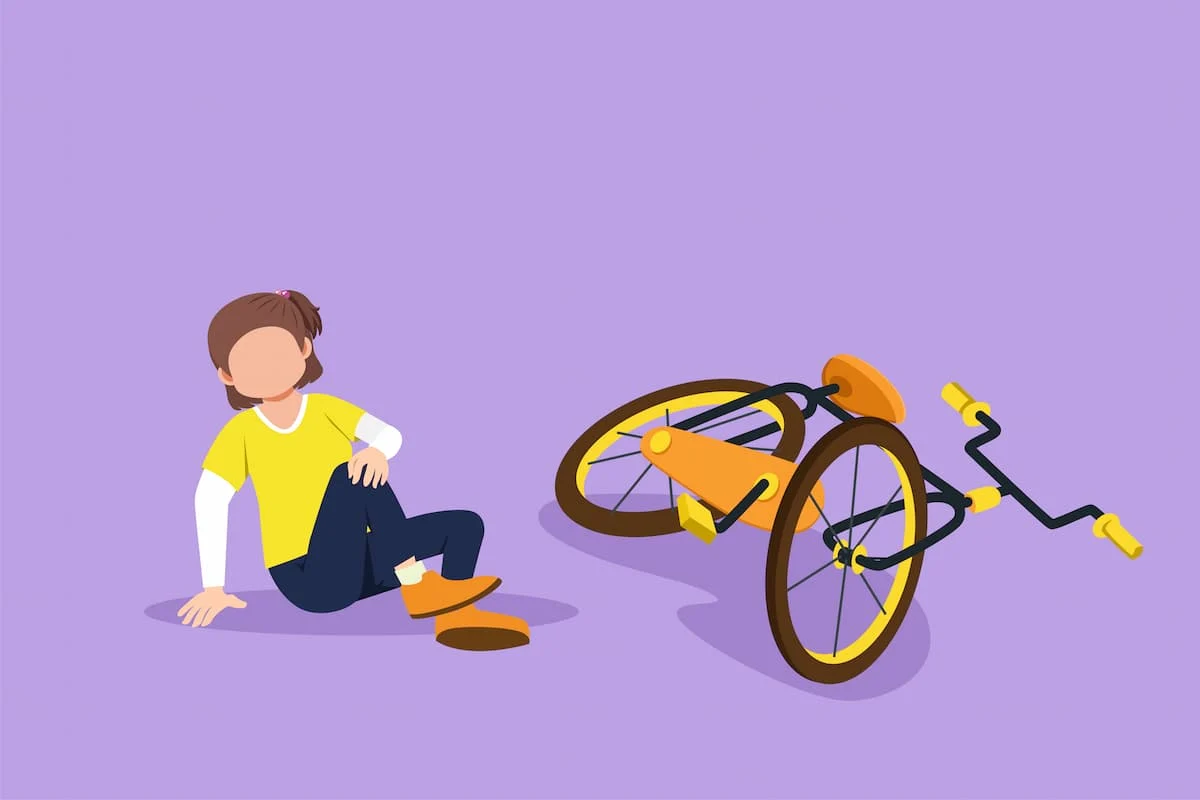
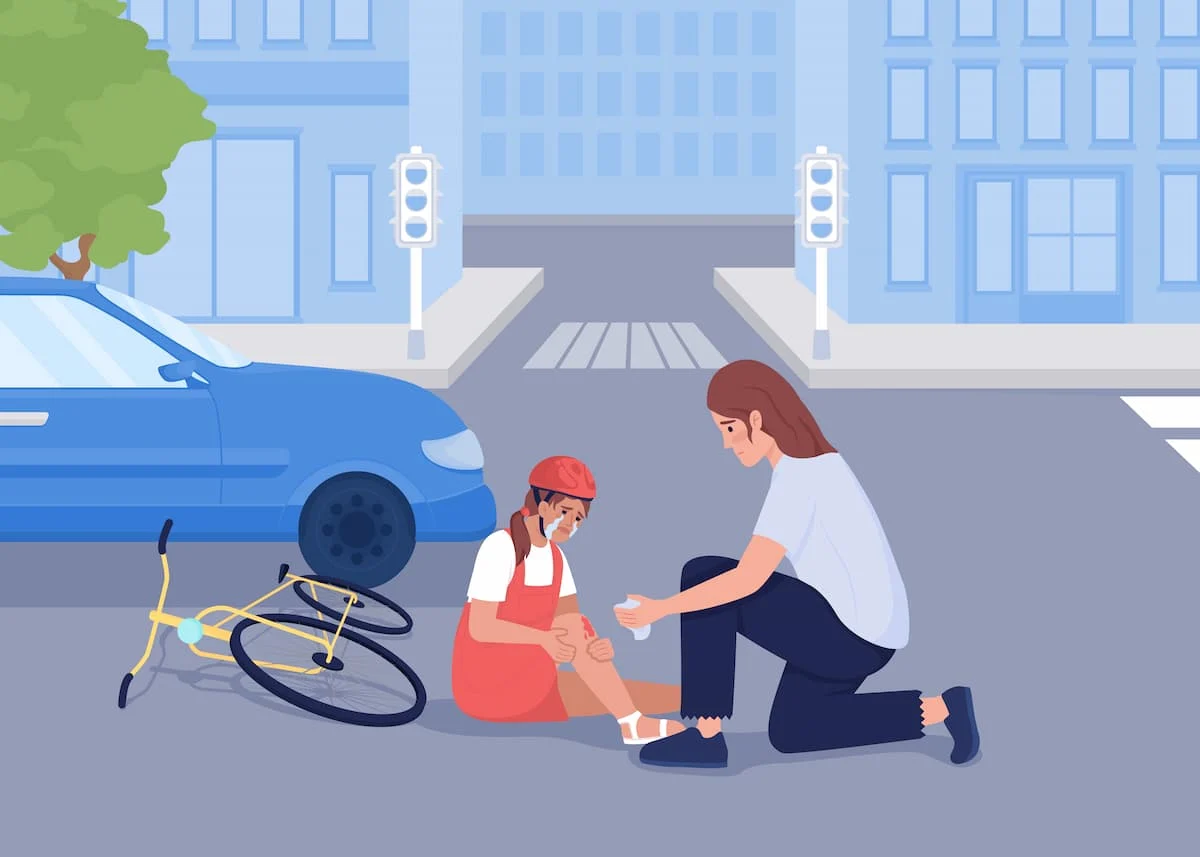
If you have auto insurance, your uninsured motorist (UM) coverage can cover injuries sustained in a hit-and-run accident — even if you were riding a bicycle.

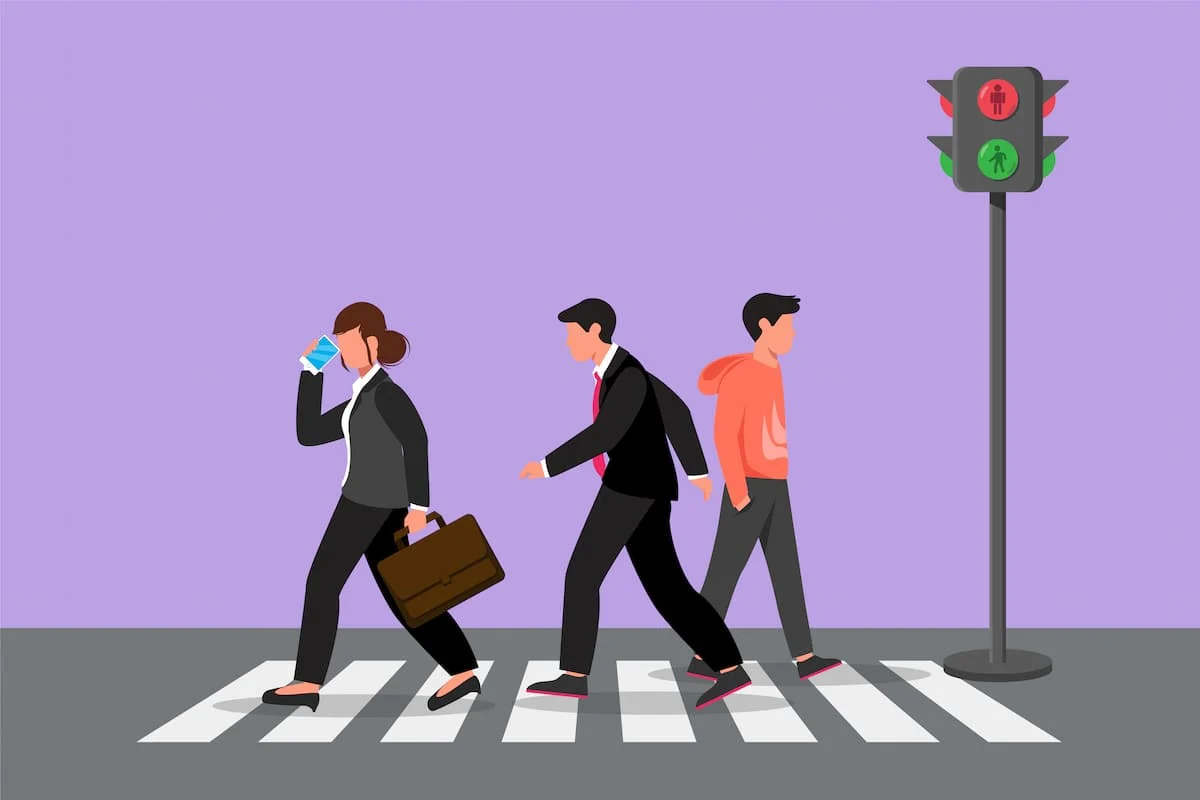
Illinois pedestrian protection laws explained: right-of-way rules, driver duties, and how these statutes support injury claims after a Chicago crash.

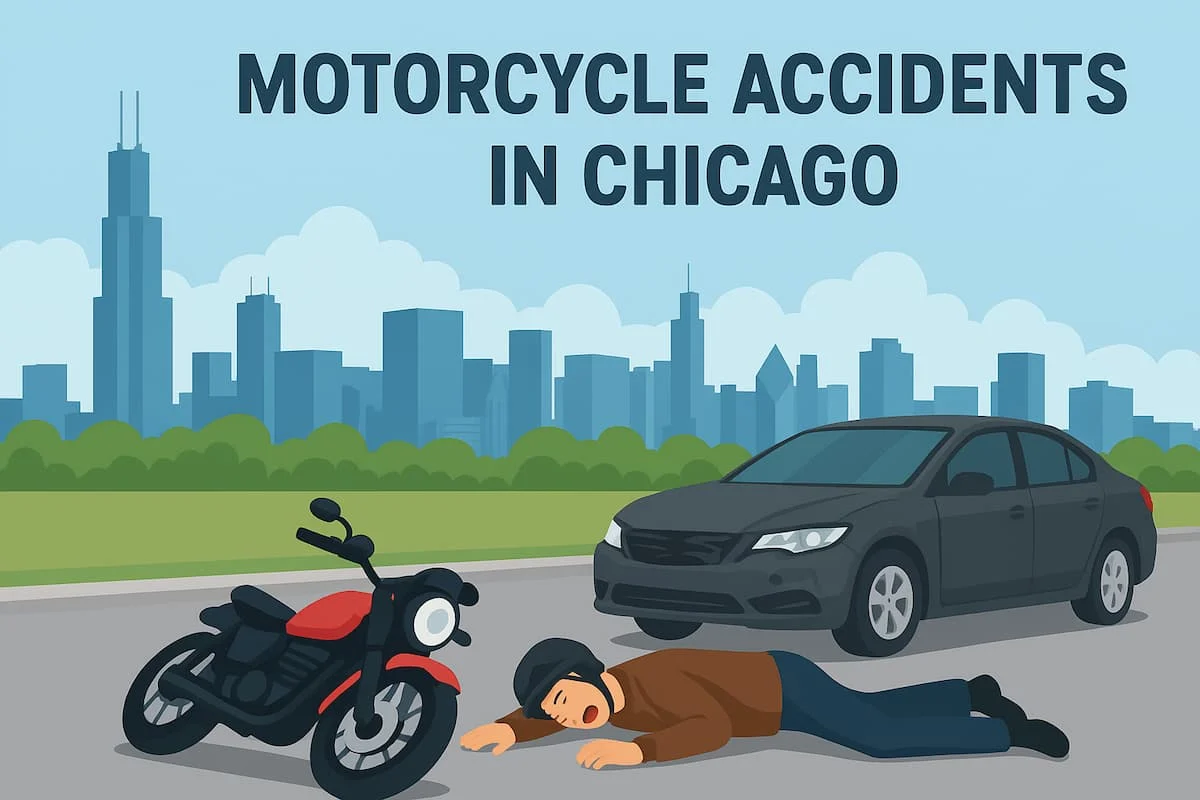
The most common causes of motorcycle accidents in Chicago, from left-turn drivers to road hazards, and how fault affects an injured rider's claim.

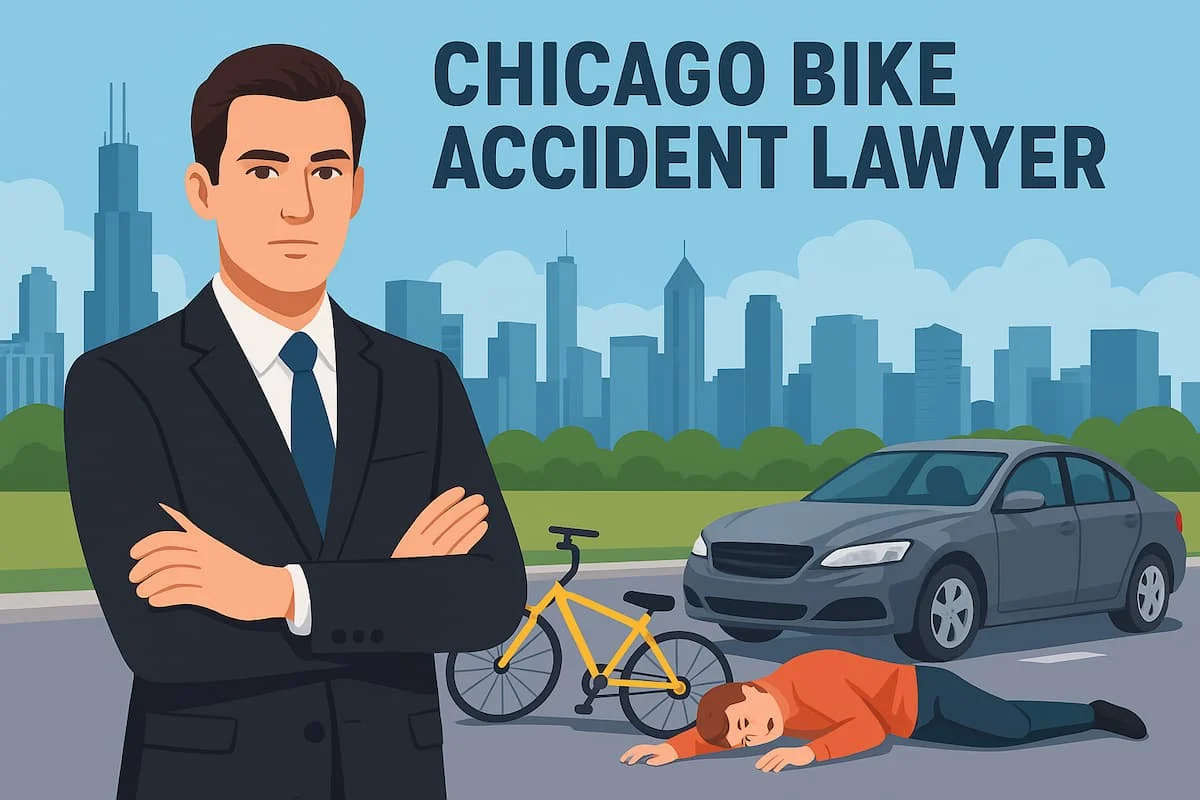
Illinois follows a comparative negligence system, which means your compensation may be reduced if you share any fault for a Chicago bicycle accident.

How fault is determined in Chicago pedestrian accidents: right-of-way rules, comparative negligence, and the evidence that decides these claims.

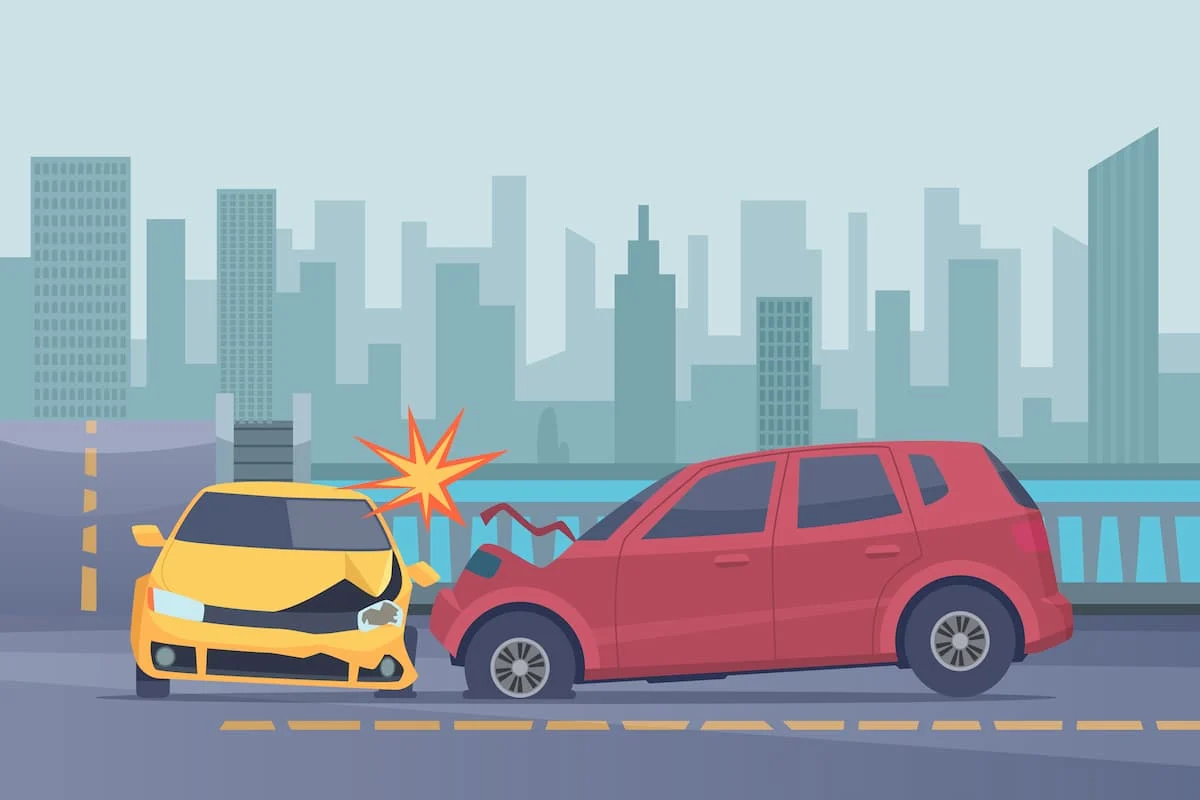
The evidence that supports an Illinois car accident claim: scene photos, police reports, medical records, witness statements, and expert analysis.

The damages you can recover after a Chicago car accident: medical bills, lost wages, pain and suffering, property damage, and future care costs.

Why you should be careful talking to the other driver's insurance company after an Illinois crash, and how recorded statements can hurt your claim.

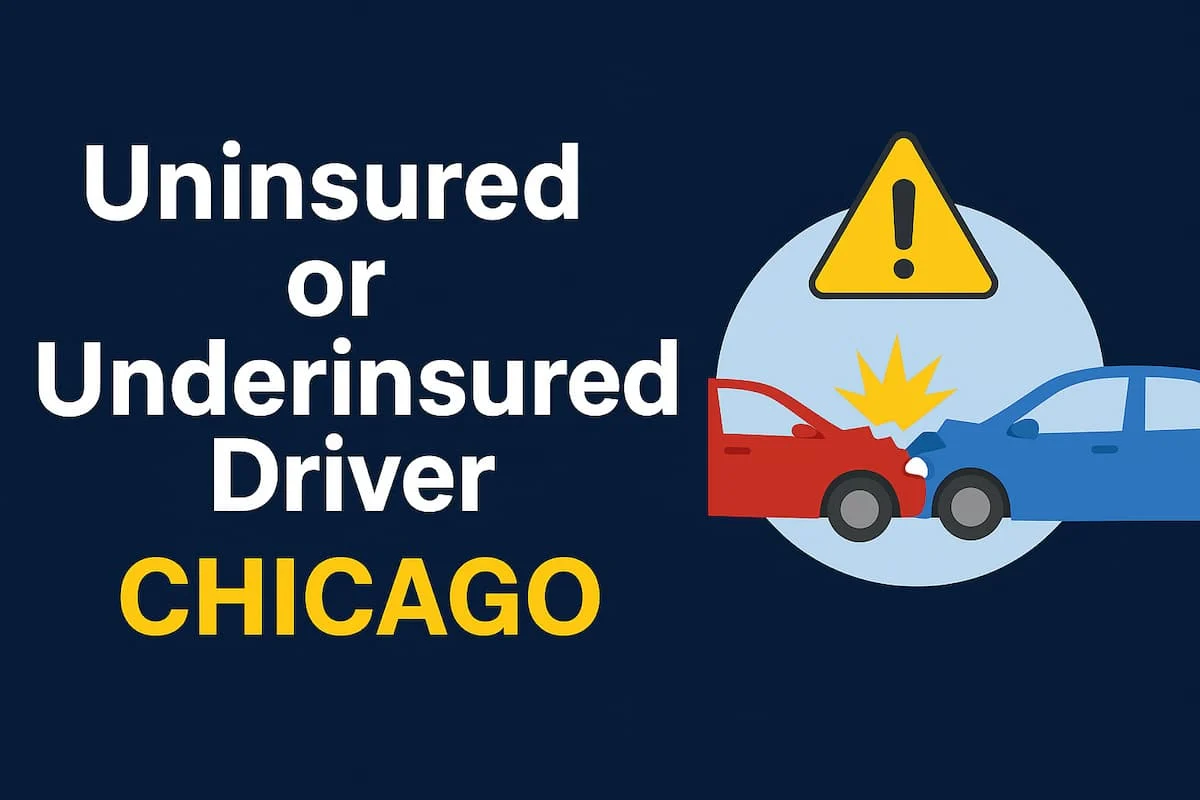
Your options when the at-fault driver is uninsured or underinsured in Chicago: UM and UIM coverage, filing steps, and deadlines under Illinois law.