As a Chicago personal injury lawyer with over 30 years of experience, I’ve represented countless victims of pedestrian accidents across Illinois. These cases are among the most devastating often involving serious injuries and life-changing consequences. Thankfully, Illinois law provides strong protections for pedestrians, ensuring their safety and holding negligent drivers accountable.
In this article, I’ll explain the special pedestrian laws in Illinois, what drivers and pedestrians must know, and what to do if you or a loved one has been injured in a pedestrian accident. Understanding your rights is the first step toward recovery and justice.
Understanding pedestrian laws in Illinois
Illinois has several statutes designed to safeguard pedestrians and promote safe roadways. These laws are outlined in the Illinois Compiled Statutes (625 ILCS 5/11) and apply statewide from busy Chicago crosswalks to small-town intersections.
1. Right of Way at Crosswalks
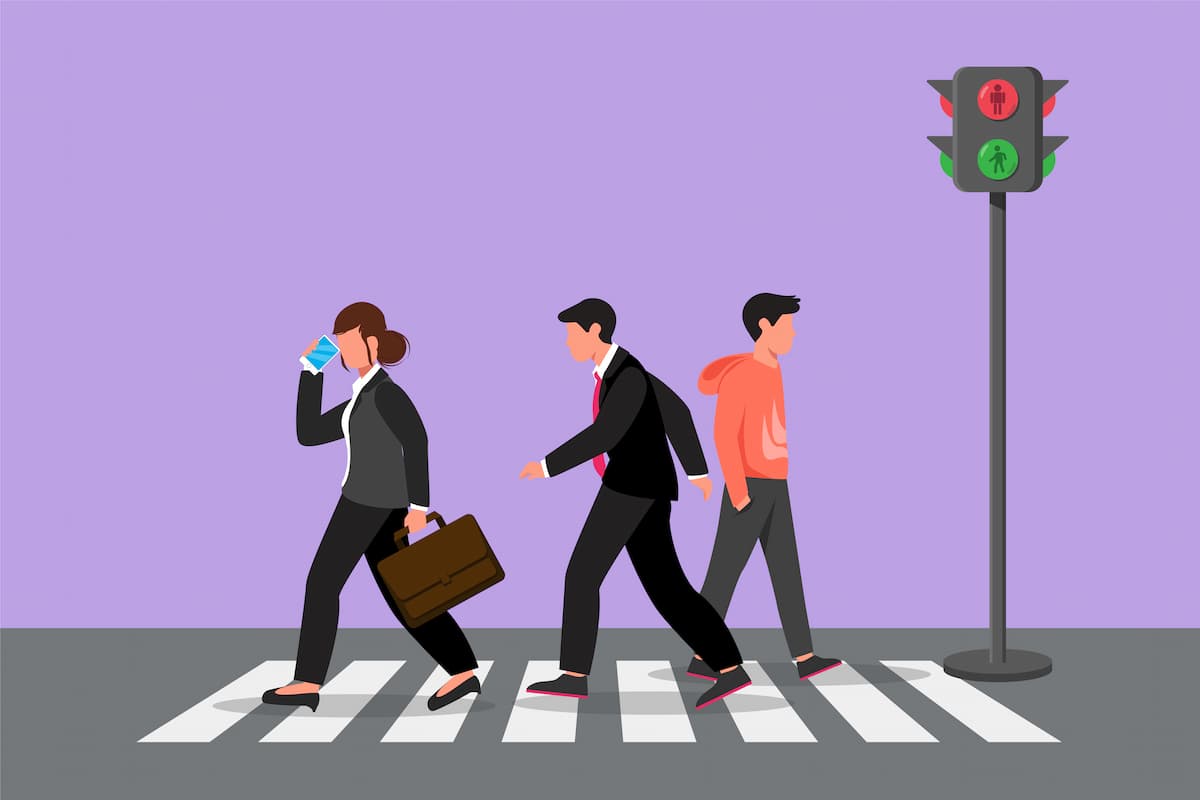
Under Illinois law, drivers must stop and yield to pedestrians who are in a marked or unmarked crosswalk. This rule applies whether traffic signals are present or not. Drivers who fail to stop may face fines, license points, or even criminal penalties if their negligence causes injury.
- Pedestrians have the right of way when crossing at intersections.
- Drivers must come to a complete stop if a pedestrian is on the same half of the roadway.
- Vehicles must remain stopped until the pedestrian has safely crossed.
In a city like Chicago, where pedestrian traffic is heavy, this law is particularly critical for preventing accidents.
2. Yielding Outside of Crosswalks
While pedestrians are protected in crosswalks, Illinois law also outlines responsibilities for those crossing outside them. Pedestrians must yield the right of way to vehicles when crossing outside designated crosswalks or between intersections. However, this does not excuse reckless or distracted driving motorists still have a duty to exercise caution at all times.
3. School Zones and Special Areas
Drivers must take extra precautions near schools, parks, and residential areas. Illinois law requires reduced speed limits in school zones during school hours and whenever children are present. Failing to comply can result in heavy fines and penalties. These laws are designed to protect children and families walking to and from school each day.
4. Penalties for Failing to Yield
Failing to yield to pedestrians can result in serious legal consequences under Illinois law:
- Fines starting from $120 for a first offense
- Driver’s license suspension for repeat violations
- Criminal charges if injury or death occurs
In cases involving injury, victims may pursue compensation through a personal injury claim — a process best handled by an experienced Illinois accident attorney.
Common Causes of Pedestrian Accidents in Illinois
Even with strict laws, pedestrian accidents remain common throughout Illinois. According to data from the Illinois Department of Transportation (IDOT), thousands of pedestrians are injured or killed each year. The most frequent causes include:
- Distracted driving (texting, phone use)
- Failure to yield at crosswalks
- Speeding in residential areas
- Drunk or impaired driving
- Unmarked or poorly lit crosswalks
Each of these scenarios can lead to devastating outcomes. That’s why it’s crucial for both drivers and pedestrians to stay alert and obey traffic laws.
Your Rights After a Pedestrian Accident
If you’ve been injured as a pedestrian, Illinois law allows you to seek compensation for:
- Medical expenses (current and future)
- Lost wages or reduced earning capacity
- Pain and suffering
- Emotional distress
- Permanent disability or disfigurement
At Phillips Law Offices, we’ve helped injured pedestrians recover millions in compensation. We handle all aspects of your claim — from investigating the accident to negotiating with insurance companies and taking your case to court if necessary. You can learn more about our car accident representation here:
How Fault Is Determined in Pedestrian Cases
Illinois follows a comparative negligence rule, meaning both parties can share fault in an accident. For example, if a pedestrian crosses against a signal but a driver was speeding, both may be partially responsible. However, as long as you’re less than 50% at fault, you can still recover compensation — reduced by your percentage of fault.
Because these cases can quickly become complex, it’s vital to work with a skilled Chicago personal injury lawyer who understands how to gather evidence, prove liability, and protect your rights under Illinois law.
What to Do After a Pedestrian Accident in Illinois
If you or someone you know has been struck by a vehicle, take the following steps:
- Call 911 immediately: seek medical help and ensure a police report is filed.
- Document the scene: take photos, get witness statements, and note the driver’s details.
- Avoid speaking with insurance adjusters: their goal is to minimize payouts.
- Contact a personal injury attorney: an experienced lawyer can handle communication, evidence, and negotiations on your behalf.
Time is critical in these cases evidence can fade and witness memories may weaken. The sooner you contact legal counsel, the stronger your case will be.
Frequently Asked Questions (FAQs)
1. Do pedestrians always have the right of way in Illinois?
No. Pedestrians have the right of way at crosswalks and intersections, but must yield when crossing mid-block or outside designated areas.
2. Can I still recover compensation if I was partially at fault?
Yes. Illinois’ comparative negligence law allows you to recover damages as long as you were less than 50% at fault for the accident.
3. What if the driver fled the scene?
You may still be eligible for compensation through your uninsured motorist coverage or a civil claim. A lawyer can help identify all available legal options.
4. How long do I have to file a pedestrian accident claim in Illinois?
Typically, you have two years from the date of the accident to file a personal injury lawsuit. Certain exceptions may apply for minors or wrongful death cases.
5. How can a Chicago personal injury lawyer help me?
An experienced attorney can investigate the accident, gather evidence, negotiate with insurers, and pursue full compensation for your losses and suffering.
Final Thoughts
Pedestrian safety is a shared responsibility. Illinois’ laws are designed to protect those most vulnerable on our roads — but when drivers act carelessly, the consequences can be severe. At Phillips Law Offices, we stand up for victims and their families, helping them rebuild their lives with dignity and justice.
If you or a loved one has been injured in a pedestrian accident in Chicago or anywhere in Illinois, don’t face it alone. Contact Phillips Law Offices today for a free consultation with an experienced Illinois accident attorney. We’ll review your case, explain your options, and fight to secure the compensation you deserve.
Interesting Reads:
What Should I Do if I’m Hit by a Car While Riding My Bike in Illinois?
Who is at Fault in a Chicago Pedestrian Accident?
What Damages Can I Recover After a Chicago Car Accident?
Authoritative Sources
Related Chicago Accident Guides
- Who is at Fault in a Chicago Pedestrian Accident?
- Car Fires After Collisions in Chicago: Evidence Preservation, Product-Liability Flags, and Immediate Steps
- Car-vs-Pedestrian Crosswalk Claims in Chicago (Non-Fatal): Rights, Evidence, and Next Steps
FAQs
Do Illinois laws give pedestrians legal protections?
Yes. Illinois traffic laws include right-of-way and driver duty rules that protect pedestrians.
Can pedestrians still recover if partially at fault?
Potentially, under Illinois comparative fault principles, depending on each party’s share of fault.
What helps prove a pedestrian claim?
Medical records, crash reports, witness testimony, and traffic-signal context are often key.