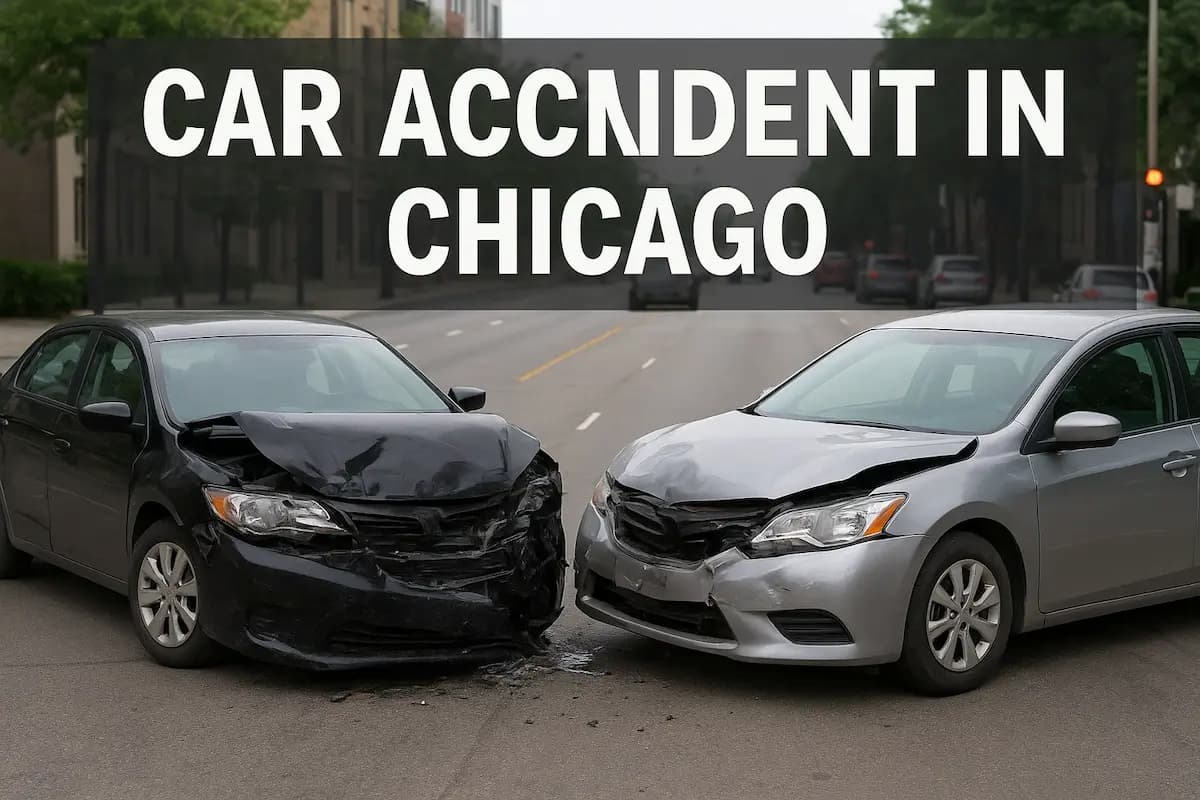
If you’ve been injured in a car accident in Chicago or anywhere in Illinois, one of the first and most stressful questions is: “Who’s going to pay for my medical bills?” It’s a valid concern, ambulance rides, emergency room visits, follow-up care, and rehabilitation costs can quickly add up to thousands of dollars. While the at-fault driver’s insurance is ultimately responsible, you may need to handle bills upfront until your claim is resolved.
In Illinois, several different sources may come into play. Your health insurance, auto insurance, or MedPay coverage can help with initial expenses, while a personal injury claim against the negligent driver’s insurer can help recover those costs later.
What to Do About Medical Bills After a Car Accident in Illinois
Here’s a detailed breakdown of what to do in the days and weeks following your crash:
- Seek medical care immediately. Your health comes first, get treated and document your injuries. Some injuries like whiplash and soft tissue injuries may not appear for days.
- Use health insurance or your own auto policy first. Submit treatment through your health insurance or MedPay coverage.
- Notify your auto insurer and report the crash. Keep records of all medical treatment. Learn about obtaining police crash reports for documentation.
- File a claim against the at-fault driver’s liability insurance. In Illinois, the driver who caused the crash is ultimately responsible. Understand how fault is determined in a Chicago car accident.
- Understand subrogation and liens. Your health insurer may have a right to be reimbursed from your settlement.
- Keep thorough records. Maintain all medical bills, provider notes, and insurance statements. See our evidence checklist for what to document.
- Contact a Chicago personal injury lawyer early. Legal counsel can protect your rights and negotiate on your behalf. Contact Phillips Law Offices for a free consultation.
Understanding Illinois Law
The Fault System in Illinois
Illinois is a traditional “at-fault” state, the person who caused the collision is legally responsible for covering resulting damages. Injured victims pursue compensation through the at-fault driver’s liability insurance.
Insurance Coverage and Minimum Requirements
Under Illinois law (625 ILCS 5/7-203), every vehicle owner must carry liability insurance. However, many drivers carry only the minimum insurance limits (25/50/20), which may not cover serious injuries. If the at-fault driver is uninsured or underinsured, your own UM/UIM coverage becomes critical.
Comparative Fault and Your Recovery Rights
Illinois follows a modified comparative negligence rule. If you were partially at fault, your recovery is reduced by your percentage of fault, but you can still recover damages as long as you’re less than 50% responsible.
Medical Bills and Subrogation Rights
When your health insurance or MedPay pays bills upfront, they may have a subrogation right, a legal claim to be reimbursed from your eventual settlement. Having an experienced attorney is crucial for navigating insurance company tactics and reducing subrogation amounts.
Common Mistakes to Avoid
- Delaying treatment: Insurers may argue your injuries weren’t caused by the accident.
- Assuming the at-fault insurer will pay immediately: The carrier often waits until the claim is settled.
- Failing to notify your insurers: This can lead to payment refusals.
- Not tracking all medical costs: Missing bills or skipped therapy weakens your claim.
- Settling too early: Learn about settlement value factors before accepting any offer. Quick settlements rarely cover all future expenses.
- Posting on social media: Avoid social media mistakes that insurance companies use against you.
When to Contact a Chicago Personal Injury Lawyer
Contact an experienced lawyer when:
- You suffered moderate to severe injuries (hospitalization, surgery, long-term therapy).
- The at-fault driver’s insurance is insufficient or refuses to pay.
- You’re unsure how to handle subrogation while waiting for settlement.
- Multiple insurers or parties may be responsible (uninsured driver, commercial vehicle crash, hit-and-run).
At Phillips Law Offices, our team has over 30 years of experience helping injured drivers across Chicago and Illinois. Contact us for a free consultation at (312) 266-3480.
Frequently Asked Questions
If the other driver caused the crash, why am I responsible for my own medical bills now?
Because Illinois is fault-based, the at-fault driver’s insurer won’t pay bills as you incur them. You must use your health insurance or MedPay first while the claim process unfolds.
What is MedPay and how does it work in Illinois?
MedPay is an optional auto policy coverage that pays your medical bills right after an accident, regardless of fault, up to the policy limit.
Can my health insurer force me to pay back bills from my settlement?
Yes. Health insurers often have subrogation rights. Under Illinois law, if you’re represented by an attorney, the reimbursement may be reduced.
What happens if the at-fault driver doesn’t have enough insurance?
You may pursue your own uninsured/underinsured motorist coverage or bring a lawsuit against the driver’s personal assets.
What damages can I recover beyond medical bills?
You may also recover lost wages, pain and suffering, and property damage. See our full guide on damages you can recover after a Chicago car accident.
Final Steps, Your Health, Your Rights, Your Recovery
Medical bills from a car accident can pile up quickly. Use whatever insurance you have to get care right away, track every bill, and don’t accept a settlement until you fully understand your future treatment needs. At Phillips Law Offices, we handle medical-bill issues, negotiations, and settlements so you don’t face this burden alone.