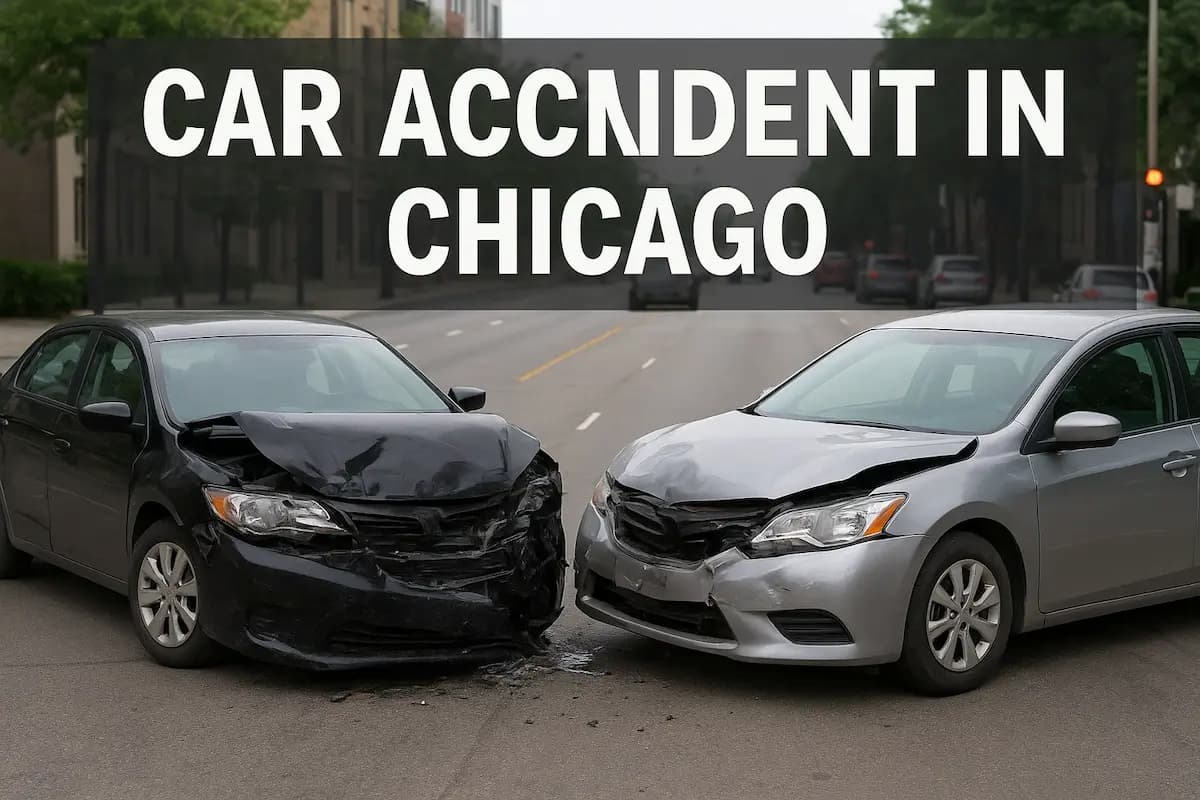
After a Chicago car accident, one of the first and most pressing questions people ask is: who was at fault? In Illinois, determining fault plays a major role in deciding who is financially responsible for medical expenses, lost wages, property damage, and pain and suffering. Unlike “no-fault” states, Illinois follows an at-fault system, meaning the driver who caused the accident is responsible for covering the damages through their insurance company.
But figuring out who’s to blame isn’t always clear-cut. Fault determination often involves multiple layers of evidence and investigation, from the official police report and traffic camera footage to insurance adjuster findings, witness statements, and sometimes expert accident reconstruction.
How Fault Is Determined in a Chicago Car Accident
Understanding how fault is determined can help you protect your rights. Here’s how the process usually unfolds:
Call the Police: A police crash report often becomes one of the most valuable pieces of evidence. Officers document what they observe, gather statements, take photos, and note traffic violations.
Exchange Information: After ensuring everyone is safe, exchange contact and insurance details with all drivers involved.
Gather Evidence: The more evidence you collect, the stronger your case. See our complete Illinois car accident evidence checklist for what to document.
Insurance Investigation: Insurance companies conduct independent investigations. Be aware of insurance company tactics designed to minimize your claim.
Review Illinois Law: Illinois uses a modified comparative negligence rule, meaning more than one driver can share the blame.
Consult an Attorney: Before speaking to insurers or accepting any settlement, consult an experienced Chicago car accident lawyer.
Understanding Illinois Law on Car Accident Fault
Illinois follows a fault-based system, the driver who causes the crash is legally and financially responsible for resulting damages including medical bills, vehicle repairs, lost wages, and pain and suffering.
Comparative Negligence in Illinois
Illinois operates under a modified comparative negligence rule (735 ILCS 5/2-1116):
- You can recover damages as long as you are less than 50% at fault.
- Your compensation is reduced by your percentage of fault.
Learn more in our guide on recovering compensation when partially at fault.
Evidence Used to Determine Fault
- Police reports and officer observations
- Witness testimony from drivers, passengers, or bystanders
- Traffic camera footage or dashcam recordings
- Accident reconstruction reports
- Vehicle damage patterns and skid marks
In cases involving distracted driving or speeding, phone records and EDR data become especially important.
Statute of Limitations in Illinois
Under 735 ILCS 5/13-202, you have two years from the date of the accident to file a personal injury lawsuit. See our guide on Illinois car accident lawsuit deadlines.
Common Mistakes to Avoid After a Chicago Car Accident
- Admitting fault at the scene: Any statement like “I’m sorry” can be used against you later.
- Delaying medical treatment: Some injuries like whiplash don’t show symptoms immediately.
- Talking to the other driver’s insurer alone: Adjusters minimize payouts. Direct communication through your attorney.
- Not documenting evidence: Take photos and collect witness information.
- Posting on social media: Insurance companies monitor posts. Read about social media mistakes that hurt claims.
When to Contact a Chicago Personal Injury Lawyer
If your accident involved serious injuries, unclear fault, or an uncooperative insurance company, speak with an attorney immediately. At Phillips Law Offices, we’ve been protecting injured victims throughout Illinois for more than 75 years. Call (312) 266-3480 for a free consultation.
Frequently Asked Questions
What happens if both drivers are partly at fault?
Illinois’ comparative negligence law allows you to recover damages if you are less than 50% at fault, reduced by your share of responsibility.
Can I still get compensation if the other driver didn’t have insurance?
Yes. You may file under your own uninsured/underinsured motorist coverage.
What if I was hit by a rideshare vehicle?
See our Uber and Lyft accident claims guide for details on rideshare liability.