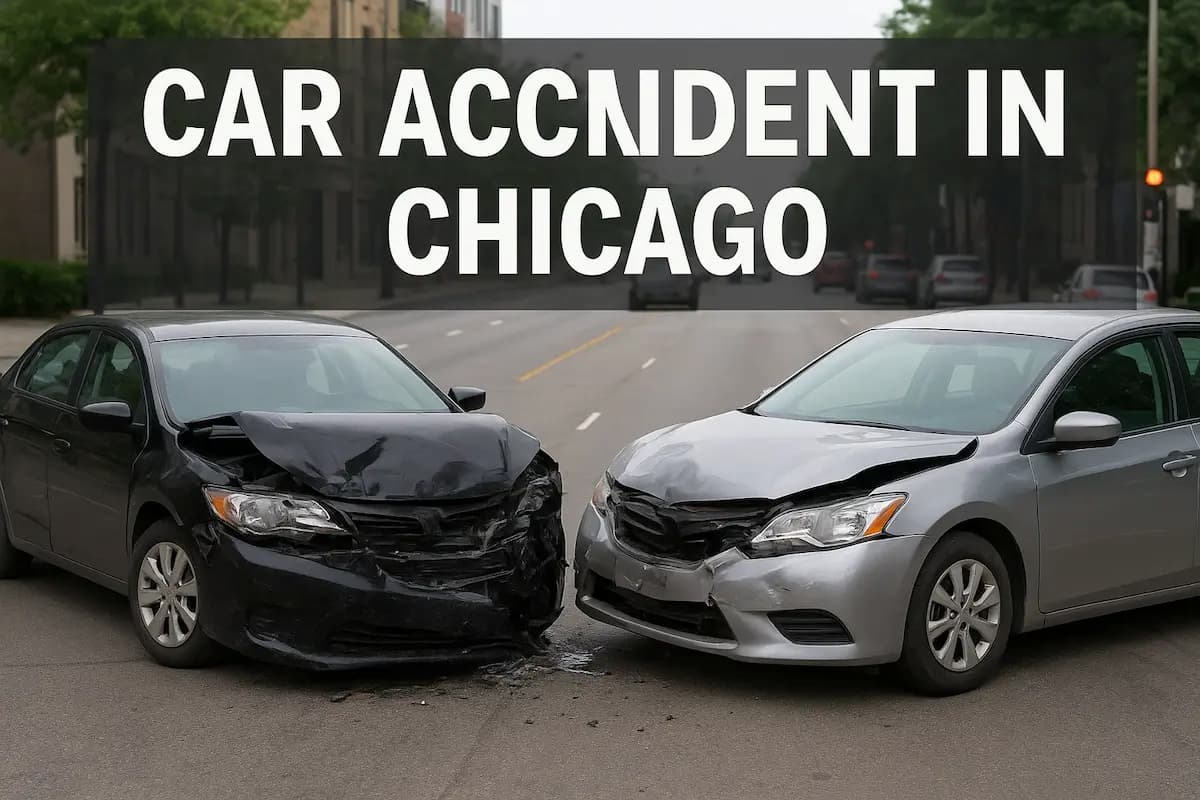
Winter Accident Statistics in Chicago
Illinois experiences some of the most treacherous winter driving conditions in the country. According to the Illinois Department of Transportation (IDOT), winter weather contributes to a significant percentage of annual traffic accidents:
- Snow and ice-related crashes spike dramatically between December and February
- The first snowfall of the season typically sees accident rates increase by 30-50%
- Black ice—invisible frozen moisture on roadways—causes some of the most severe crashes
- Rush hour accidents increase substantially during winter storms
Can You Still Be Liable in a Winter Weather Accident?
Yes—bad weather does not excuse negligent driving. This is one of the most important legal concepts for winter accident victims to understand.
Under Illinois law, drivers have a duty to operate their vehicles safely given the existing conditions. When roads are icy or snow-covered, drivers must adjust their behavior accordingly. Failing to do so constitutes negligence.
The “Reasonable Driver” Standard
Illinois courts apply a “reasonable driver” standard when evaluating winter accident liability. A reasonable driver in winter conditions would:
- Reduce speed below posted limits when roads are slippery
- Increase following distance to allow for longer stopping distances
- Use headlights in reduced visibility conditions
- Avoid sudden braking or acceleration that could cause loss of control
- Clear snow and ice from all windows and mirrors before driving
- Ensure tires are adequate for winter conditions
A driver who fails to take these precautions and causes an accident can be held liable for resulting injuries—regardless of the weather.
Common Causes of Winter Driving Accidents
Black Ice Accidents
Black ice forms when temperatures hover around freezing, creating a nearly invisible layer of ice on roadways. Common black ice locations in Chicago include:
- Bridges and overpasses (freeze before road surfaces)
- Shaded areas under viaducts
- Intersections where exhaust melts and refreezes snow
- Early morning roads after overnight temperature drops
While black ice itself isn’t anyone’s “fault,” a driver traveling too fast for conditions who loses control on black ice is still negligent.
Rear-End Collisions
Winter rear-end collisions are extremely common. Drivers who follow too closely on slick roads often cannot stop in time when traffic slows. Under Illinois law, the rear driver is typically presumed at fault in rear-end accidents—and icy roads don’t change this presumption.
Sliding Through Intersections
Running red lights or stop signs because “the car wouldn’t stop” is not a valid defense. Drivers must anticipate longer stopping distances and begin braking earlier in winter conditions.
Loss of Control Accidents
Fishtailing, spinning out, and overcorrecting are common winter accident scenarios. These typically result from:
- Excessive speed for conditions
- Sudden steering movements
- Aggressive braking
- Poor tire condition or inadequate tread
Multi-Vehicle Pileups
Chicago expressways like I-90, I-94, and I-290 are notorious for winter pileups. These complex accidents often involve multiple at-fault drivers and require careful investigation to determine liability.
Illinois Comparative Negligence in Winter Accidents
Illinois follows a modified comparative negligence rule under 735 ILCS 5/2-1116. This means:
- You can recover damages if you’re less than 50% at fault
- Your compensation is reduced by your percentage of fault
- If you’re 50% or more at fault, you recover nothing
How This Applies to Winter Accidents
Insurance companies often try to shift blame in winter accidents by arguing that both drivers should have been more careful. For example:
Scenario: Driver A slides through a stop sign on an icy road and hits Driver B, who was traveling 5 mph over the speed limit.
The insurance company might argue Driver B was 20% at fault for speeding. If Driver B has $100,000 in damages, this would reduce their recovery to $80,000.
An experienced attorney can fight these comparative fault arguments and maximize your recovery.
Who Else May Be Liable for Winter Accidents?
Beyond the other driver, additional parties may share liability for winter accidents:
Government Entities
Cities and counties have a duty to maintain reasonably safe roads. Potential claims against government entities may arise from:
- Failure to salt or plow roads within a reasonable time
- Inadequate drainage leading to ice formation
- Missing or obscured road signs
- Poorly designed intersections prone to ice accumulation
Important: Claims against Illinois government entities must be filed under the Illinois Court of Claims Act (705 ILCS 505) with strict notice requirements and shorter deadlines.
Property Owners
Under Illinois’s Snow and Ice Removal Act (745 ILCS 75), property owners generally cannot be held liable for natural accumulations of snow and ice. However, liability may exist if:
- The owner created an unnatural accumulation (e.g., improper drainage)
- Snow removal efforts made conditions more dangerous
- The owner violated a local snow removal ordinance
Commercial Vehicle Operators
Commercial trucks and buses have additional duties in winter weather. Federal regulations require commercial drivers to adjust for adverse conditions, and trucking companies must ensure proper tire maintenance and driver training.
Evidence in Winter Accident Cases
Building a strong winter accident case requires specific evidence:
Weather Documentation
- Official weather reports from the National Weather Service
- Temperature records showing freezing conditions
- Precipitation data (snowfall amounts, freezing rain)
- Road condition reports from IDOT
Scene Evidence
- Photos of road conditions at the accident scene
- Images of ice or snow accumulation
- Skid mark measurements and patterns
- Vehicle damage showing impact direction and severity
Vehicle Condition
- Tire tread depth and condition
- Brake system functionality
- Windshield wiper and defroster operation
- Headlight and taillight functionality
What to Do After a Winter Car Accident
If you’re involved in a winter weather accident in Chicago:
- Move to safety if possible—secondary accidents are common in winter conditions
- Call 911—always get a police report, even in minor accidents
- Document the conditions—photograph ice, snow, and road conditions immediately
- Note the temperature—check your phone’s weather app and screenshot it
- Get witness information—other drivers may have seen the accident or conditions
- Don’t admit fault—saying “I couldn’t stop on the ice” could hurt your claim
- Seek medical attention—cold can mask injury symptoms
- Contact an attorney—winter accident cases require experienced investigation
Insurance Company Tactics in Winter Claims
Be prepared for insurance adjusters to use winter weather against you:
- “Act of God” arguments: Insurers may claim the weather caused the accident, not their driver
- Shared fault allegations: They’ll scrutinize your driving for any reason to assign partial blame
- “You should have stayed home”: Some adjusters argue you assumed the risk by driving in bad weather
- Quick lowball offers: They may try to settle cheaply before you understand your injuries
None of these arguments eliminate liability when a driver fails to operate safely for conditions.
Get Help from Phillips Law Offices
Winter accident cases require attorneys who understand both Illinois negligence law and the unique challenges of proving liability in adverse weather conditions. At Phillips Law Offices, we have decades of experience handling Chicago winter accident claims.
We’ll investigate the accident scene, gather weather data, document road conditions, and fight insurance company attempts to blame the weather instead of the negligent driver who caused your injuries.
If you’ve been injured in a winter car accident in Chicago, contact Phillips Law Offices today at (312) 598-0917 for a free consultation. Don’t let the insurance company use the weather as an excuse.
]]>Authoritative Sources
Related Chicago Accident Guides
- What Evidence Do You Need for an Illinois Car Accident Claim?
- Dealing with Insurance Companies After a Chicago Car Accident: Tactics to Watch
- Intersection Accidents in Chicago: Red Light, Stop Sign & Right-of-Way Claims
FAQs
Who is liable in winter-weather crashes?
Drivers are still expected to use reasonable care for conditions, including speed and stopping distance.
Does bad weather automatically remove fault?
No. Weather is a factor, but negligence can still be found if a driver acted unreasonably.
What evidence helps in a winter crash claim?
Scene photos, road condition reports, witness statements, and timely medical documentation are helpful.