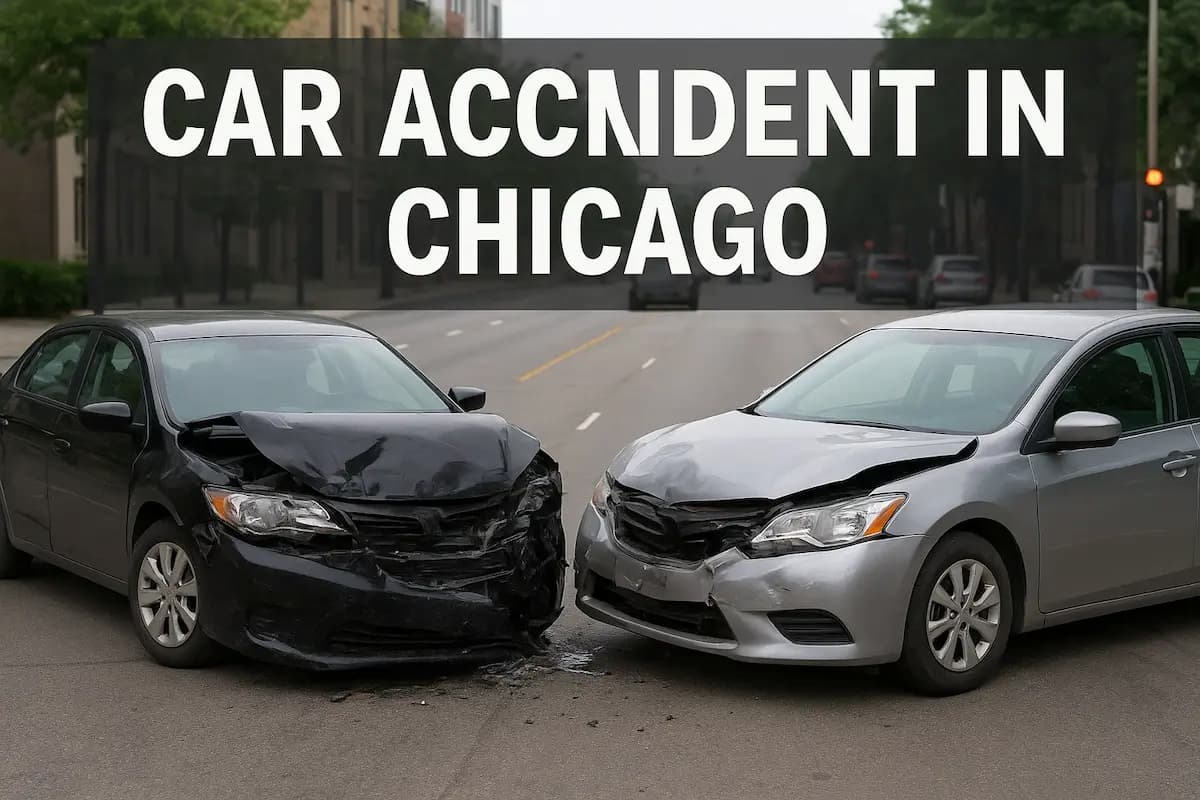
Chicago’s streets see over 100,000 traffic crashes annually, with certain intersections accounting for a disproportionate share of serious injuries and fatalities. Understanding where these dangerous locations are—and why they’re so hazardous—can help drivers stay safer and know their rights if they’re injured.
Chicago’s Most Dangerous Intersections by the Numbers
According to Chicago Department of Transportation data and Illinois Department of Transportation crash reports, these intersections consistently rank among the city’s most dangerous:
1. Western Avenue & Belmont Avenue
This six-corner intersection where Western, Belmont, and Clybourn converge creates confusion for drivers. High pedestrian traffic from nearby businesses and CTA stations compounds the danger. The unusual angles make it difficult to judge traffic flow and timing.
2. Cicero Avenue & Archer Avenue
Heavy commercial truck traffic from nearby industrial areas meets commuter traffic at this Southwest Side intersection. The diagonal path of Archer Avenue creates blind spots, and high speeds on Cicero make crashes especially severe.
3. Ashland Avenue & Division Street
This intersection sees frequent pedestrian accidents due to nearby restaurants, shops, and nightlife. Short signal timing and drivers rushing to beat lights contribute to both vehicle and pedestrian collisions.
4. Stony Island Avenue & 79th Street
One of the South Side’s busiest crossings, this intersection handles enormous traffic volumes with design features dating back decades. Poor lighting and faded lane markings increase nighttime crash risk.
5. Pulaski Road & North Avenue
Multiple turning lanes and heavy truck traffic from nearby commercial corridors create hazardous conditions. Rear-end collisions and sideswipe accidents are particularly common here.
Why These Intersections Are So Dangerous
Several factors contribute to dangerous intersections:
- Design Flaws: Chicago’s grid system intersects with diagonal streets like Archer, Milwaukee, and Elston, creating complex multi-way intersections
- High Traffic Volume: Major arterials carry 30,000+ vehicles daily
- Pedestrian Conflicts: Dense neighborhoods mean constant pedestrian activity
- Poor Infrastructure: Aging signals, faded markings, and inadequate lighting
- Speeding: Wide lanes encourage higher speeds despite urban setting
Illinois Traffic Laws That Apply to Intersection Accidents
Under the Illinois Vehicle Code (625 ILCS 5/11-901), drivers must exercise due care when approaching intersections. Key regulations include:
- Right-of-Way Rules (625 ILCS 5/11-901): Vehicles must yield to traffic already in the intersection
- Traffic Control Devices (625 ILCS 5/11-306): Red light violations carry enhanced penalties at dangerous intersections
- Pedestrian Right-of-Way (625 ILCS 5/11-1002): Drivers must yield to pedestrians in crosswalks
Proving Fault in Intersection Accidents
Illinois follows modified comparative negligence (735 ILCS 5/2-1116), meaning you can recover damages if you’re less than 50% at fault. Evidence that helps prove liability includes:
- Traffic camera footage (many dangerous intersections have red-light cameras)
- Witness statements from other drivers or pedestrians
- Police accident reports documenting traffic violations
- Vehicle damage patterns showing point and angle of impact
- Cell phone records proving distracted driving
What to Do After an Intersection Accident
If you’re involved in a crash at a dangerous intersection:
- Call 911 and request police documentation
- Photograph everything: Vehicle damage, traffic signals, lane markings, and signage
- Get witness information before they leave
- Seek medical attention even if injuries seem minor
- Don’t admit fault at the scene
- Contact an attorney before speaking with insurance companies
Statute of Limitations for Chicago Car Accidents
Under 735 ILCS 5/13-202, you have two years from the date of the accident to file a personal injury lawsuit in Illinois. Missing this deadline typically bars your claim entirely.
How a Chicago Car Accident Lawyer Can Help
An experienced attorney can:
- Obtain traffic camera footage before it’s deleted
- Work with accident reconstruction experts
- Identify all liable parties (drivers, city for dangerous road design, etc.)
- Negotiate with insurance companies who routinely undervalue claims
- File suit against the City of Chicago if road design contributed to the crash
If you’ve been injured at one of Chicago’s dangerous intersections, contact our office for a free consultation. We’ll review your case, explain your rights under Illinois law, and fight to get you the compensation you deserve.
Authoritative Sources
Related Chicago Accident Guides
- What Evidence Do You Need for an Illinois Car Accident Claim?
- Dealing with Insurance Companies After a Chicago Car Accident: Tactics to Watch
- Intersection Accidents in Chicago: Red Light, Stop Sign & Right-of-Way Claims
FAQs
Why are some Chicago intersections more dangerous?
High traffic volume, complex signal timing, visibility limits, and turning conflicts increase crash risk.
Can crash history at an intersection support my claim?
It may help context, but fault still depends on evidence from your specific collision.
What evidence should I collect after an intersection crash?
Photos, signal timing context, witness contacts, and official crash reports are most useful.