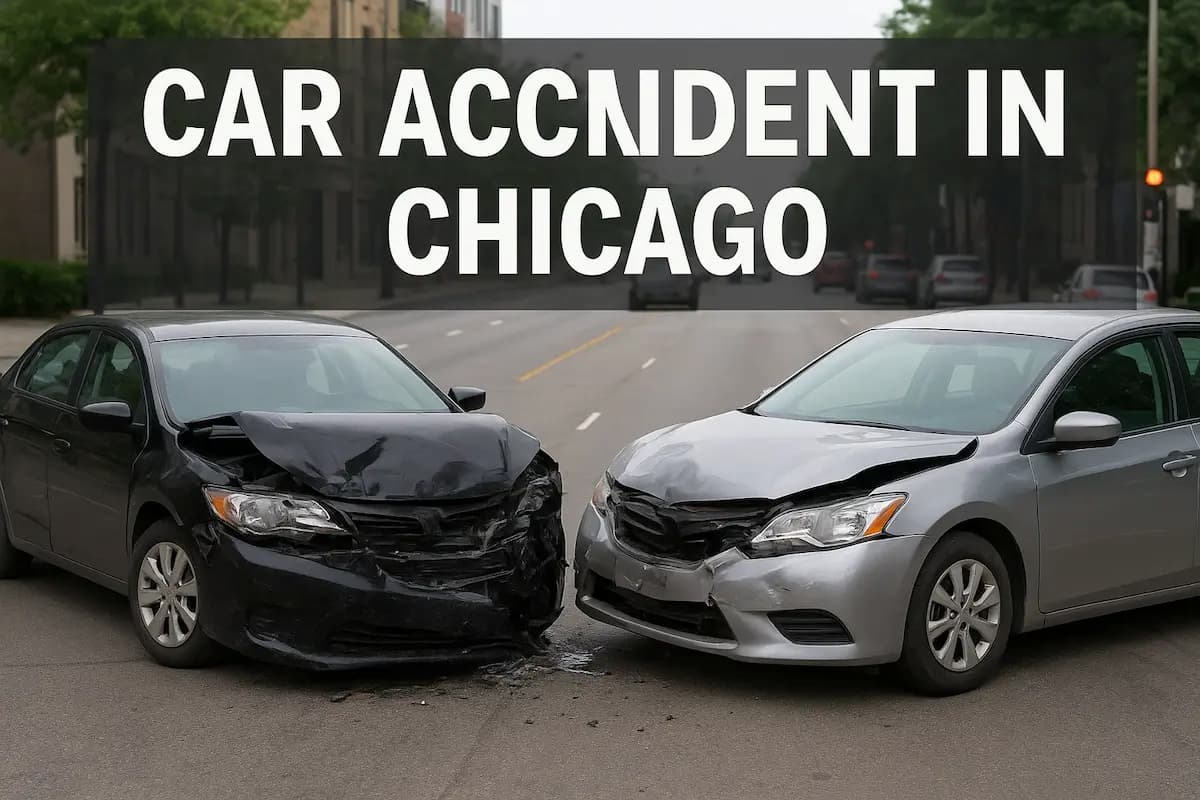
Yes, a car accident can potentially cause or worsen Chiari malformation in certain cases. Chiari malformation is a condition where brain tissue extends into the spinal canal, often due to structural issues present at birth. However, trauma from a car accident, such as whiplash or severe head and neck injuries, might either trigger symptoms in individuals with a pre-existing mild Chiari malformation or exacerbate the condition. While it is rare for an accident to directly cause Chiari malformation if it wasn’t already present, the impact can lead to complications that make the condition more noticeable or severe.
Overview of Chiari Malformation
Chiari malformation is a structural brain defect, specifically involving the cerebellum, located at the lower back of the skull. This condition is marked by the downward movement of one or both cerebellar tonsils through the foramen magnum, the skull’s opening that connects to the spinal cord. There are four recognized types of Chiari malformations, with Type I being the most common and least severe. In Type I, symptoms often appear in late childhood or adulthood, presenting as headaches, neck pain, balance difficulties, and neurological symptoms such as numbness or dizziness.
Can Trauma Lead to Chiari Malformation?
The question of whether trauma, such as a car accident, can lead to Chiari malformation is important, given that some cases of Chiari Type I develop later in life due to external factors. Although Chiari malformation is primarily considered congenital, evidence suggests that severe head injuries may trigger or worsen symptoms associated with Chiari malformation by altering brain positioning or increasing intracranial pressure. Understanding this connection is essential to identifying risk factors and mechanisms that may contribute to the development of this condition following trauma.
Types of Chiari Malformation
Chiari malformations are grouped into four main types, each with unique characteristics and levels of severity.
Chiari Malformation Type I
Type I is the most common and mildest form. It occurs when the cerebellar tonsils extend into the upper cervical canal, usually more than 5 mm below the foramen magnum. Often, symptoms do not appear until late childhood or adulthood, including:
- Headaches: Often triggered by actions like coughing or straining.
- Neck pain: Due to pressure on nearby structures.
- Balance problems: Stemming from cerebellar issues.
- Neurological symptoms: Such as numbness, dizziness, or swallowing difficulties.
While typically congenital, acquired forms of Type I can develop from conditions that increase intracranial pressure, like tumors or hydrocephalus, which can lead to herniation of the cerebellar tonsils.
Chiari Malformation Type II
Known as Arnold-Chiari malformation, Type II is more severe and often linked with myelomeningocele, a type of spina bifida. Here, both the cerebellum and brainstem extend into the foramen magnum. Symptoms can include:
- Neurological deficits: Such as paralysis below the neck.
- Hydrocephalus: Accumulation of cerebrospinal fluid in the brain.
Type II is usually diagnosed in infancy due to its association with significant congenital issues.
Chiari Malformation Type III
Type III is a rare and serious type where portions of the cerebellum and brainstem protrude through a defect in the skull or neck. It is often apparent at birth and can lead to life-threatening complications, such as:
- Severe neurological deficits: Including developmental delays and seizures.
- Hydrocephalus: Common in affected infants.
Given its severity, immediate medical intervention is typically required.
Chiari Malformation Type IV
Type IV is the rarest and most severe form, marked by the underdevelopment (hypoplasia) of the cerebellum without displacement through the foramen magnum. This type often coexists with other significant brain abnormalities, and most infants born with Type IV do not survive past infancy due to these complications.
Chiari malformation Type I is notable for its frequency and potential link to acquired causes. While largely congenital, factors like trauma can lead to its development or intensification in some cases. Recognizing these types is essential for accurate diagnosis and effective management.
Symptoms and Causes
Symptoms of Chiari malformation can vary depending on the type, but common ones include:
- Headaches: Often triggered by actions like coughing, sneezing, or straining.
- Neck Pain: Discomfort may result from pressure on nearby structures.
- Balance Issues: Difficulty walking or maintaining coordination.
- Neurological Symptoms: Such as numbness in the limbs, dizziness, and swallowing challenges.
Chiari malformations are categorized into four types based on severity and anatomical features. Type I is typically congenital but may also develop due to factors like trauma or tumors. The primary causes include:
- Congenital Factors: Abnormal skull development that restricts space for the brain.
- Acquired Factors: Conditions that increase intracranial pressure (e.g., hydrocephalus) or trauma that alters brain positioning.

The Link Between Car Accidents and Chiari Malformation
Can Trauma Lead to Chiari Malformation?
Chiari malformation, especially Type I, is usually thought of as a congenital condition. Still, emerging research shows that trauma, such as head or neck injuries from car accidents, may bring on symptoms in those already predisposed to it or, in rare instances, may lead to its development. Whiplash, caused by the rapid movement of the head and neck, is believed to be one mechanism that can shift the cerebellar tonsils downward through the foramen magnum, leading to symptoms associated with Chiari malformation.
Medical Studies and Evidence
Research has explored the potential link between trauma and Chiari malformation:
- Freeman and Kornel Study: Published in the Journal of Brain Surgery, this study analyzed MRI scans from 1,200 patients and found a relationship between whiplash injuries and symptomatic Chiari malformations. The researchers concluded that trauma could activate previously symptom-free Chiari malformations or worsen existing ones.
- Minor Trauma Study: In a study of 85 patients with Chiari malformation who had minor head or neck trauma, trauma was identified as a trigger for symptoms in 11 cases, with three meeting strict criteria for causation. Notably, two of these cases involved car accidents.
- Anecdotal Evidence: Many patients report their Chiari symptoms began following a traumatic event. Although anecdotal data is less rigorous, it adds to the evidence that trauma may contribute to the onset of Chiari symptoms.
Possible Mechanisms
Trauma may lead to or worsen Chiari malformation symptoms through several potential mechanisms:
- Acceleration-Deceleration Forces: During a car accident, abrupt head movements can push the cerebellar tonsils downward into the spinal canal, increasing pressure on nearby structures and disrupting cerebrospinal fluid (CSF) flow, potentially causing Chiari symptoms.
- Increased Intracranial Pressure: Trauma can raise intracranial pressure due to swelling or bleeding, which may push brain structures downward, worsening an existing Chiari condition or triggering symptoms in previously asymptomatic individuals.
- Structural Changes: Severe trauma can result in shifts in brain positioning within the skull, potentially creating conditions that could lead to Chiari malformation or amplify existing symptoms.
While Chiari malformation is usually congenital, evidence indicates that trauma from events like car accidents can trigger or worsen the condition in predisposed individuals. Recognizing these connections is essential for the prompt diagnosis and management of Chiari symptoms following head or neck trauma.
Symptoms to Watch for After a Car Accident
Following a car accident, it is crucial to pay attention to your health for any symptoms that may develop over time, as some injuries might not be immediately apparent. Many symptoms that arise after an accident can resemble those associated with Chiari malformation, particularly in individuals who may be susceptible to the condition.
Common Post-Accident Symptoms vs. Chiari Symptoms
Common Symptoms After a Car Accident:
- Neck Pain: Often a result of whiplash caused by sudden movements during the collision, neck pain can lead to stiffness and a limited range of motion.
- Headaches: Frequently reported after accidents, these headaches can stem from concussions or neck injuries.
- Dizziness: This symptom may indicate a concussion or other brain injury.
- Fatigue: Often linked to physical trauma or the stress experienced after the incident.
Symptoms Associated with Chiari Malformation:
- Neck Pain: In individuals with Chiari malformation, neck pain typically occurs at the base of the skull and may worsen with certain movements.
- Headaches: Chiari-related headaches are generally triggered by activities that elevate intracranial pressure, such as coughing or straining, and can be persistent and severe.
- Dizziness: In this condition, dizziness may occur due to pressure on the brainstem or disruptions in cerebrospinal fluid flow.
The overlap in symptoms like neck pain, headaches, and dizziness indicates that those involved in car accidents should remain vigilant about their health. If these symptoms continue or worsen, they may point to an underlying issue, including Chiari malformation.
When to See a Doctor
It’s vital to seek medical attention if you experience any of the following after a car accident:
- Persistent or Worsening Symptoms: If neck pain, headaches, or dizziness do not improve or become more severe.
- New Symptoms: The emergence of additional symptoms such as memory problems, difficulty concentrating, or changes in vision.
- Severe Symptoms: Signs such as confusion, slurred speech, nausea, vomiting, or loss of consciousness require urgent medical evaluation.
Timely medical assessment can help identify serious conditions early, including potential complications related to Chiari malformation. Neglecting these symptoms may lead to worsening health outcomes, so it’s always best to consult with a healthcare professional if you have any concerns after an accident.
Diagnosing Chiari Malformation After Trauma
Medical Examination and Imaging
To diagnose Chiari malformation, especially following a traumatic event like a car accident, healthcare providers employ a combination of medical history review, physical examinations, and advanced imaging techniques. The primary diagnostic tools include:
- Magnetic Resonance Imaging (MRI): This is the most common and effective method for diagnosing Chiari malformation. An MRI utilizes powerful magnets and radio waves to create detailed images of the brain and spinal cord, revealing structural abnormalities such as the downward displacement of the cerebellar tonsils through the foramen magnum, as well as any associated cerebrospinal fluid (CSF) buildup or loss of brain tissue.
- Computed Tomography (CT) Scan: A CT scan provides cross-sectional images using X-rays, helping to identify bony abnormalities at the skull base or other structural issues that may contribute to symptoms. This method is particularly useful if an MRI is contraindicated.
During these imaging tests, doctors specifically look for signs of herniation, changes in CSF flow, or any structural anomalies that could account for the patient’s symptoms. In cases where trauma is suspected to have triggered Chiari symptoms, a thorough evaluation of the timing and nature of the trauma is critical.
Working with Specialists
Given the complexity of Chiari malformation and its wide-ranging symptoms, it is essential for patients to consult with specialists such as neurologists or neurosurgeons experienced in diagnosing and treating this condition. These specialists provide comprehensive evaluations, accurately interpret imaging results, and differentiate between symptoms caused by Chiari malformation and those resulting from other trauma-related injuries. Their expertise is vital for developing an appropriate treatment plan tailored to the individual’s needs.
Treatment Options for Chiari Malformation
Non-Surgical Treatments
For patients with Chiari malformation who do not exhibit severe symptoms or neurological deficits, non-surgical treatment options are often recommended. These may include:
- Pain Management: Over-the-counter pain relievers or prescription medications can help alleviate headaches and neck pain associated with Chiari malformation.
- Physical Therapy: Engaging in physical therapy can improve neck strength and flexibility, potentially reducing pain and enhancing overall function.
- Lifestyle Changes: Patients are encouraged to avoid activities that exacerbate symptoms, such as heavy lifting or high-impact sports. Stress management techniques may also be beneficial.
Surgical Options
In cases where symptoms are severe or significantly affect quality of life, surgical intervention may be necessary. The most common surgical procedure for Chiari malformation is:
- Posterior Fossa Decompression Surgery: This procedure involves removing a small section of bone at the back of the skull to relieve pressure on the brain and spinal cord. The goal is to create more space for the cerebellum and restore normal CSF flow. During the surgery, the dura mater (the protective covering of the brain) may also be opened to further alleviate pressure.
Surgery is generally considered when conservative treatments fail to provide relief or when neurological deficits are present.
Rehabilitation and Recovery
Post-treatment recovery varies among individuals but typically includes:
- Physical Therapy: After surgery, physical therapy may be recommended to aid recovery, improve mobility, and strengthen neck muscles.
- Regular Follow-Up: Patients will require ongoing monitoring through follow-up appointments and imaging studies to assess recovery progress and ensure that CSF flow remains unobstructed.
- Lifestyle Adjustments: Long-term lifestyle changes may be necessary to manage the condition effectively, including avoiding activities that could strain the neck or lead to symptom exacerbation.
Overall, early diagnosis and appropriate management are crucial for individuals diagnosed with Chiari malformation following trauma, leading to better outcomes and improved quality of life.
Now that we’ve covered everything related to Chiari malformation in the context of car accidents, including causes and types, we can shift our focus to the legal side of these accidents. Specifically, let’s discuss how consumers can seek compensation following a car accident.
Legal and Insurance Considerations
Documenting Symptoms and Treatment
When seeking a personal injury claim after a car accident, it’s essential to thoroughly record symptoms and treatments. Medical records play a crucial role in personal injury cases for various reasons:
Evidence of Injury: Medical documentation serves as solid proof of injuries sustained in the accident, detailing their type and severity. This information is vital for confirming claims and establishing that the injuries are directly linked to the incident, not to any pre-existing conditions.
Proof of Treatment: These records outline the medical care received, showing the necessity and appropriateness of treatments. They encompass diagnostic test results, treatment notes, and referrals to specialists, all of which help create a clear timeline of care.
Establishing Causation: Medical records are essential for connecting the injuries to the accident. They should detail the circumstances of the injury, including dates, how the injury occurred, and any relevant medical evaluations that support the claim. This connection is crucial for demonstrating liability in personal injury cases.
Keeping thorough medical records not only strengthens your claim but also helps in calculating damages related to medical expenses, lost wages, and emotional distress.
Consulting a Personal Injury Attorney
Hiring a personal injury attorney can be very helpful if a car accident has triggered or worsened Chiari symptoms. An attorney can assist in several ways:
Navigating Legal Complexities: Personal injury law can be complicated, especially when addressing complex medical conditions like Chiari malformation. An experienced attorney knows the legal intricacies and can guide you through the claim-filing process.
Collecting and Organizing Medical Records: Attorneys can help gather all necessary medical documentation and ensure it is presented effectively. They understand which specific records are needed to support your claims and can coordinate with medical professionals to obtain them.
Establishing a Strong Case: A personal injury attorney can help construct a solid case by connecting your symptoms to the accident. They will utilize medical evidence to show how the trauma from the accident has affected your health, potentially leading to complications related to Chiari.
Maximizing Compensation: Attorneys are skilled negotiators who can advocate for fair compensation based on the severity of your injuries, ongoing treatment requirements, and overall impact on your quality of life. They will strive to ensure you receive adequate compensation for both financial and emotional damages.
meticulous documentation of symptoms and treatments is crucial for personal injury claims arising from car accidents. Consulting a personal injury attorney can greatly improve your chances of success by ensuring your case is thoroughly prepared and presented effectively.
Can a car accident cause Chiari malformation?
Although Chiari malformation is primarily a congenital condition, trauma from a car accident can potentially trigger symptoms in those who are predisposed to it. Studies suggest that significant head or neck injuries, such as those resulting from whiplash, may lead to the emergence of Chiari symptoms or worsen existing ones. The impact of an accident can alter the position of the cerebellum and disrupt the flow of cerebrospinal fluid, contributing to the development of symptoms.
What symptoms should I monitor after a car accident?
After a car accident, it’s crucial to watch for several symptoms that may indicate an injury, including:
- Neck Pain or Stiffness: Commonly associated with whiplash.
- Headaches: Persistent headaches could signal more serious issues, like concussions or brain injuries.
- Dizziness: This may indicate a head injury or concussion.
- Numbness or Tingling: Could suggest nerve damage or spinal problems.
- Changes in Personality or Function: Symptoms like irritability or difficulty concentrating may indicate a traumatic brain injury.
These symptoms can appear immediately or may take days to manifest, so seeking medical attention is essential if they arise.
How is Chiari malformation diagnosed?
Chiari malformation is diagnosed through a thorough review of medical history, physical examinations, and imaging techniques. The primary diagnostic tools include:
- Magnetic Resonance Imaging (MRI): This provides detailed images of the brain and spinal cord to identify structural abnormalities.
- Computed Tomography (CT) Scan: Useful for assessing bony structures and potential injuries related to trauma.
During these evaluations, doctors look for signs of cerebellar tonsil herniation and other related abnormalities.
Is surgery always necessary for Chiari malformation?
No, surgery is not always required for Chiari malformation. Many individuals with Type I Chiari malformation may remain asymptomatic or experience mild symptoms that can be managed through non-surgical approaches like pain management, physical therapy, and lifestyle modifications. Surgical intervention is generally considered when symptoms are severe, progressive, or significantly affect quality of life. The most common procedure is posterior fossa decompression surgery, which aims to relieve pressure on the brain and restore normal cerebrospinal fluid flow.
Can I seek compensation if my condition worsened after an accident?
Yes, you can pursue compensation if your condition worsened following a car accident. If you can demonstrate that the accident contributed to the worsening of your Chiari malformation symptoms or resulted in new injuries, you may have grounds for a personal injury claim. It’s important to document all medical records and treatments related to your condition and consult with a personal injury attorney who can help guide you through the legal process and advocate for fair compensation based on your situation.
Injured in a Car Accident in Chicago? Reach Out to Us Today
If you’ve experienced a car accident in Chicago that has resulted in symptoms of Chiari malformation, you don’t have to take this challenge on your own. At Phillips Law Offices, our skilled car accident injury attorney is here to provide the guidance and support you need to pursue the compensation you deserve. We understand the anxiety and uncertainty that follow an accident, and we are committed to advocating for your rights. Contact us today to take the first step toward healing and securing the compensation you need.