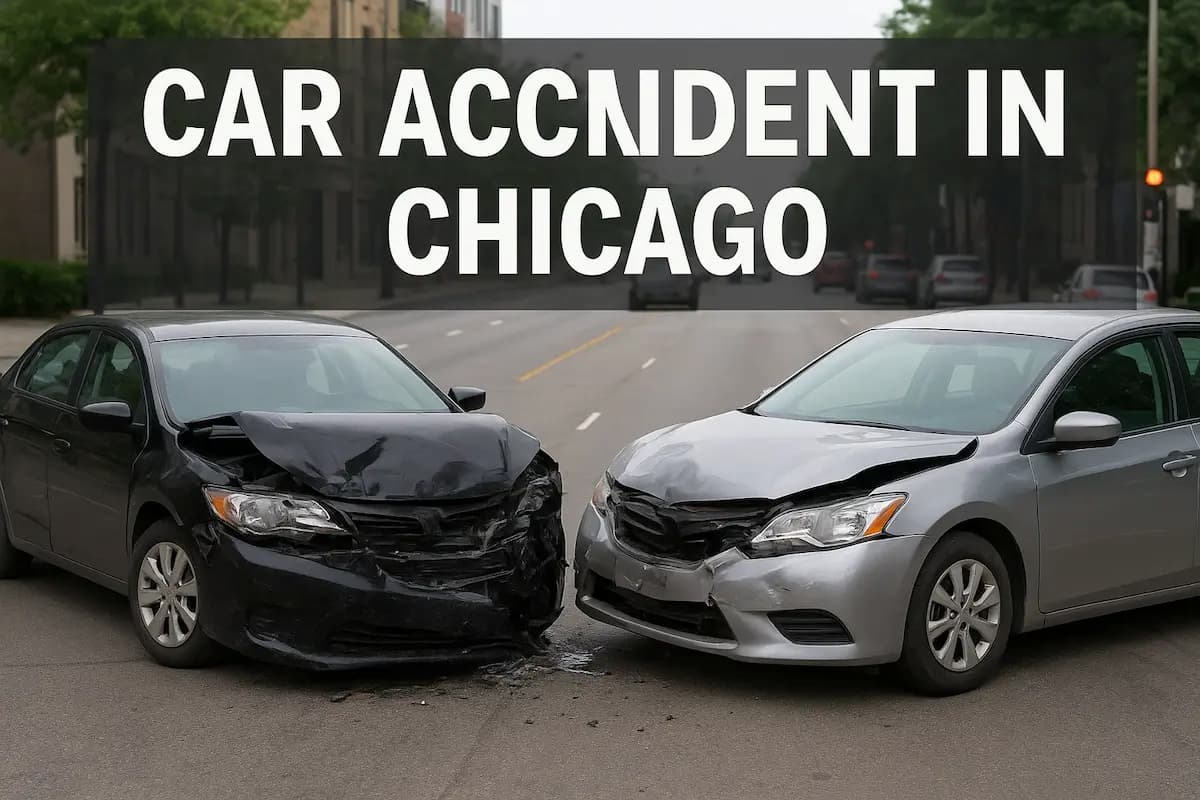
Short answer: Liberty Mutual is one of the largest auto insurers in Illinois, and their claims process is built to protect their bottom line – not your recovery. After a Chicago car crash, expect quick outreach from an adjuster, an early request for a recorded statement, and a settlement offer that arrives before you know the full extent of your injuries. If you were seriously hurt, or if Liberty Mutual is disputing how the accident happened, you need an attorney before you say anything substantive to their claims team.
I have handled dozens of claims against Liberty Mutual and their subsidiary Safeco in Cook County and across northeastern Illinois. The patterns are predictable once you know what to look for. This guide walks you through how their claims process works, what tactics their adjusters use, and where claimants lose money they should have recovered.
How Liberty Mutual Operates in Illinois
Liberty Mutual Insurance Company writes auto policies in Illinois directly and through subsidiaries, most commonly LM General Insurance Company and Safeco Insurance Company of Illinois. If you are dealing with a Safeco claim, the process and pressure tactics are effectively the same as a Liberty Mutual claim – Safeco was acquired by Liberty Mutual in 2008 and operates under the same corporate umbrella.
Liberty Mutual is a large commercial carrier with significant resources for defending claims. They maintain regional claims offices that handle Illinois losses, and on larger claims they have the capacity to retain outside defense counsel, hire independent investigators, and arrange independent medical examinations (IMEs). Understanding that you are dealing with a well-resourced, profit-motivated entity is the first step to protecting your claim.
The Recorded Statement Request
Within days of a crash, and sometimes within 24 to 48 hours, a Liberty Mutual adjuster will call you. One of their first requests will be for a recorded statement. They frame it as routine – just getting the facts, just verifying what happened. It is not routine for you.
Here is the problem: adjusters are trained to ask questions in ways that produce answers useful for denying or reducing your claim. They will ask about your speed, whether you were wearing a seatbelt, whether you had any pre-existing injuries, and whether you felt pain immediately. If you say you “felt fine at first” – a physiologically normal response to adrenaline – they will use that statement later to argue your injuries were not caused by the crash.
You are not legally required to give Liberty Mutual a recorded statement if you are a third-party claimant (injured by their insured). If Liberty Mutual is your own insurer, your policy likely does require cooperation, which is another reason to have an attorney coordinate that process. Under no circumstances should you give a recorded statement to any carrier without speaking to an attorney first.
Low Initial Offers and the Settlement Pressure Cycle
Liberty Mutual, like most major carriers, often makes early settlement offers designed to close claims before injured people understand what their cases are worth. These offers typically arrive while you are still treating – before you have reached maximum medical improvement (MMI) and before the full cost of your recovery is clear.
Accepting an early offer almost always means leaving money on the table. Once you sign a release, the claim is closed permanently. If your symptoms worsen, if you need surgery, or if you develop long-term complications, you have no recourse. The release extinguishes your claim entirely under Illinois law.
A fair settlement covers medical bills (past and future), lost income, pain and suffering, and other documented damages. An early offer rarely accounts for future medical expenses or the non-economic losses that often make up the largest portion of a serious injury settlement.
Independent Medical Examinations
On claims involving significant injury, Liberty Mutual may demand an independent medical examination – a physical exam performed by a physician of their choosing. The “independent” label is misleading. These doctors are paid by the insurer and have a known pattern of findings that minimize injury severity, question causation, or declare injured people at MMI before they actually are.
In Illinois, if Liberty Mutual is your own carrier and your policy requires an IME as a condition of coverage, you may be obligated to attend. If you are a third-party claimant, the rules differ. An attorney can advise you on whether a requested IME is mandatory and, if so, how to prepare so that the examination reflects your actual condition.
Illinois Bad-Faith Protections
Illinois provides statutory protection against unreasonable claims handling. Under 215 ILCS 5/155, if an insurance company unreasonably delays or denies a valid claim – or if its conduct in handling the claim is vexatious and unreasonable – a court can award attorney fees, court costs, and a penalty of up to 60 percent of the amount the insurer should have paid, or $60,000, whichever is greater.
Bad-faith claims require litigation and are not easy to win, but the statute exists and Liberty Mutual’s adjusters know it. When a carrier’s conduct crosses from aggressive negotiating into unreasonable delay or denial of a legitimate claim, this statute gives injured people meaningful leverage.
UM/UIM Claims With Liberty Mutual as Your Own Insurer
If you carry a Liberty Mutual auto policy and were hurt by an uninsured or underinsured driver, your claim against your own carrier under uninsured motorist (UM) or underinsured motorist (UIM) coverage follows a different process. You are now the one making a claim against your own insurer, and Liberty Mutual has both a duty to deal with you in good faith and a financial incentive to minimize what they pay.
UM/UIM claims are among the most contested in Illinois personal injury practice. Liberty Mutual may dispute the value of your injuries, contest whether the at-fault driver was actually underinsured, or argue about the proper stacking of coverage limits. An experienced attorney is essentially required for any UM/UIM claim involving meaningful injury. The 215 ILCS 5/155 bad-faith statute directly applies to your own carrier’s handling of these claims.
| Claim Stage | What Liberty Mutual Does | What to Watch For |
|---|---|---|
| Days 1-3 | Assigns adjuster, makes contact, requests recorded statement | Do not give recorded statement without attorney |
| Days 3-14 | Liability investigation, may contact witnesses, may hire outside investigator on large claims | Preserve your own evidence – photos, witness info, medical records |
| Weeks 2-8 | Early settlement offer if liability is clear and injuries appear soft-tissue | Do not accept until you reach MMI or have attorney review |
| Weeks 4-16 | IME request on larger injury claims | Consult attorney before attending; understand your policy obligations |
| Months 3-12 | Negotiations, potential litigation referral | Track all communications in writing; get demands in writing |
| Litigation | Outside defense counsel, formal discovery, depositions | Illinois 2-year statute of limitations runs from date of crash |
Not every Liberty Mutual claim requires a lawyer. A straightforward property-damage-only claim with clear liability and a repair estimate that covers your actual loss is often manageable without one. But the moment any of the following are present, you should consult an attorney before taking any substantive steps:
- You have any injury requiring medical treatment, even if it seems minor now
- Liberty Mutual is disputing who caused the crash
- Multiple vehicles or parties are involved
- You are making a UM or UIM claim against your own Liberty Mutual policy
- Liberty Mutual has already made an offer and you are not sure if it is fair
- An adjuster is pressuring you to give a recorded statement or sign a release
Illinois personal injury attorneys handle car accident cases on contingency. There is no fee unless you recover, and the initial consultation costs nothing. Given how much early mistakes can reduce a settlement, the consultation is almost always worth the time.
“The most expensive mistake claimants make with Liberty Mutual – and with every major carrier – is giving a recorded statement or signing a release before they understand what their case is actually worth. Once either of those things happens, the insurer has exactly what they need to close the claim for less than it deserves.”
Frequently Asked Questions
Do I have to give Liberty Mutual a recorded statement?
If you are injured by someone who has Liberty Mutual coverage, you are a third-party claimant and generally have no legal obligation to give Liberty Mutual a recorded statement. If Liberty Mutual is your own carrier, your policy cooperation clause may require it – but you have the right to have an attorney present. Never give a recorded statement to any insurer, as either party, before consulting with an attorney.
How long do I have to file a claim against Liberty Mutual in Illinois?
The Illinois statute of limitations for personal injury claims is two years from the date of the accident under 735 ILCS 5/13-202. Filing a claim with Liberty Mutual does not extend this deadline. If you do not file a lawsuit before the two-year mark, your case is barred regardless of its merit.
Is Safeco the same as Liberty Mutual?
Safeco Insurance Company is a wholly owned subsidiary of Liberty Mutual Group. Claims are handled through similar processes and with similar standards. If the at-fault driver carries Safeco coverage, you are effectively dealing with Liberty Mutual’s claims operation.
Can Liberty Mutual deny my claim entirely?
Yes. Liberty Mutual can dispute liability, contest causation of your injuries, or argue that a policy exclusion applies. If they deny your claim, you have options: negotiation through an attorney, demand letters citing 215 ILCS 5/155 if the denial is unreasonable, and ultimately litigation. A denial is not the end of the road.
What if Liberty Mutual is my own insurer and I’m making a UM/UIM claim?
UM and UIM claims against your own carrier are adversarial processes even though you are dealing with your own insurance company. Liberty Mutual owes you good faith and fair dealing under 215 ILCS 5/155, but they also have a financial interest in minimizing what they pay. An attorney who handles UM/UIM claims is critical for any significant injury.
Authoritative Sources
- 215 ILCS 5/155 – Illinois Insurance Code, Section 155 (Attorney Fees and Penalties)
- 735 ILCS 5/13-202 – Illinois Code of Civil Procedure, Limitation of Personal Injury Actions
- Illinois Department of Insurance – Consumer Resources
Related Guides
- Dealing With Allstate After a Chicago Car Crash
- Dealing With State Farm After a Chicago Car Crash
- Dealing With GEICO After a Chicago Car Crash
- Dealing With Progressive After a Chicago Car Crash
- Dealing With USAA After a Chicago Car Crash
- Why You Should Never Give a Recorded Statement Without an Attorney
- What to Know About Independent Medical Exams in Illinois Auto Claims
- How Much Is My Chicago Car Accident Case Worth?
If Liberty Mutual is handling your claim and you have questions about what your case is worth or whether their offer is reasonable, call Phillips Law Offices at (312) 346-4262 for a free consultation.