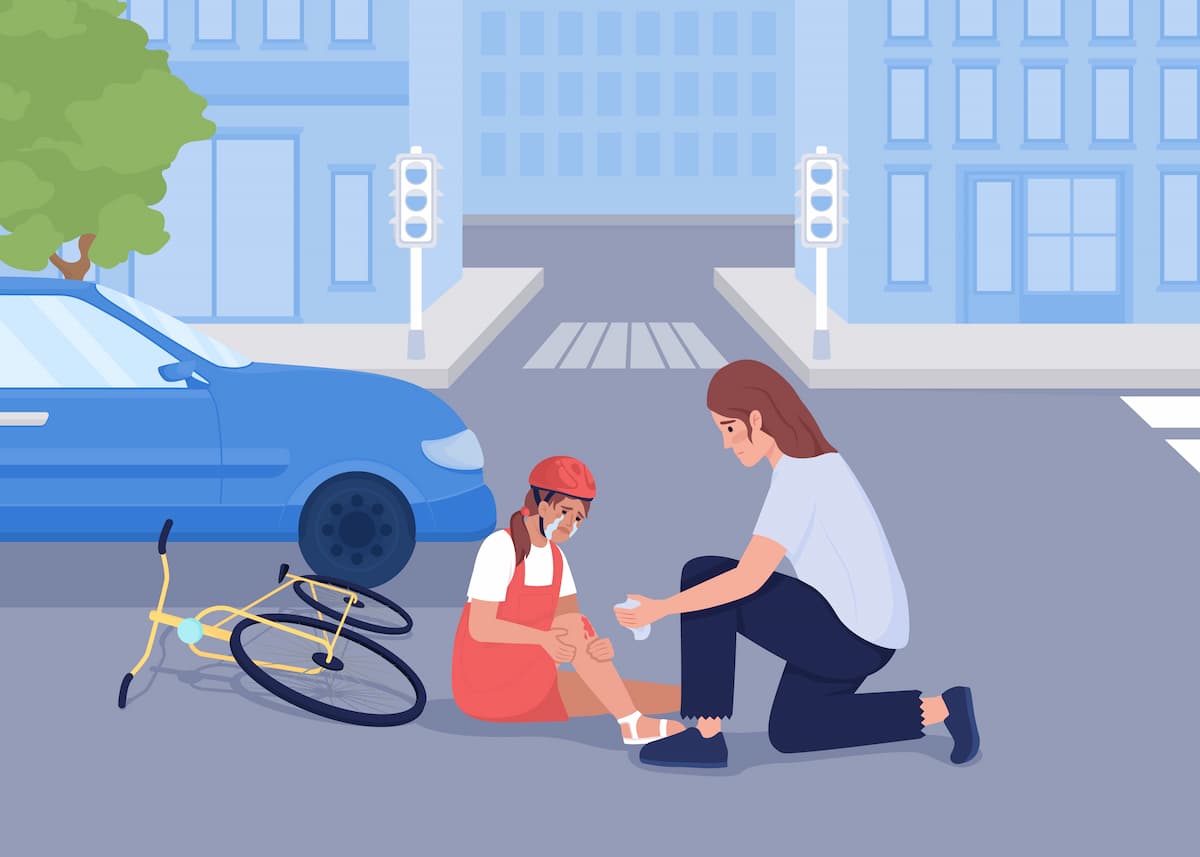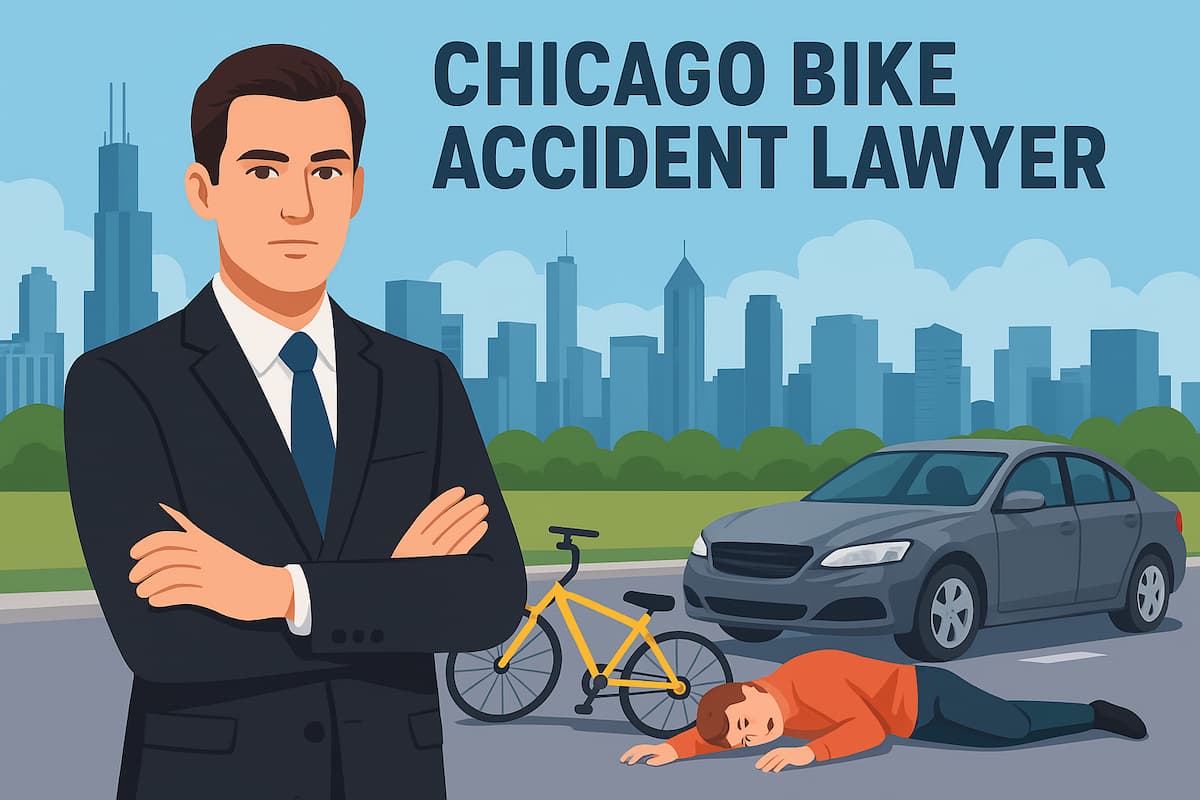
Dooring accidents happen when a driver or passenger opens a car door into the path of a cyclist. In Chicago, these crashes are common on busy streets with parked cars and bike lanes. Injuries can be serious, and liability often depends on whether the door was opened safely and whether the cyclist had a clear path.
This guide explains Illinois’ door‑opening rule, how fault is evaluated in dooring crashes, and the evidence that protects your claim.
Authoritative Sources
Illinois law on opening vehicle doors
Illinois law states that a person may not open a vehicle door on the side available to moving traffic unless it is reasonably safe to do so and can be done without interfering with the movement of other traffic. The law also prohibits leaving a door open on the traffic side longer than necessary to load or unload passengers.
This rule is the foundation for liability in dooring cases because it places responsibility on the person opening the door to ensure it is safe.
Why dooring crashes are common in Chicago
Chicago streets often combine parked cars, bike lanes, and heavy traffic in tight spaces. Dooring is more likely when:
- Drivers and passengers exit without checking mirrors
- Bike lanes run close to parked cars
- Passengers in rideshare vehicles open doors quickly
- Nighttime or bad weather reduces visibility
Even a momentary lapse can cause a severe collision.
Who can be at fault in a dooring crash
The person who opened the door is usually the primary focus of liability because the law requires opening only when it is safe.
However, insurers sometimes argue about cyclist speed, lane position, or visibility. Clear documentation helps keep the focus on the unsafe door opening.
Drivers vs. passengers: both can create liability
Dooring can be caused by a driver or a passenger. In rideshare situations, passengers often open doors quickly. Liability can still attach to the person who opened the door, and the vehicle’s insurance coverage may be involved depending on the circumstances.
Common dooring injury patterns
- Shoulder and arm fractures
- Head injuries and concussions
- Rib and chest injuries
- Road rash and soft‑tissue injuries
Even low‑speed collisions can cause long‑term injuries for cyclists.
Evidence that matters most in dooring claims
- Photos of the door position and bike lane
- Vehicle location, including parking position and lane markings
- Witness statements from pedestrians or other cyclists
- Video footage from cameras or dashcams
- Medical records documenting injuries
Dooring cases can turn on small details, so early documentation is critical.
Documenting the bike lane and roadway
Photos of bike‑lane markings, parking signs, and curbside layouts can show how close the cyclist was to parked vehicles. These details help explain why a door opening created a hazard.
What to do immediately after a dooring crash
- Call 911 and request medical assistance
- Photograph the vehicle, door, and bike position
- Collect the driver’s insurance information
- Get witness contact information
- Seek medical care the same day if you have symptoms
First‑week checklist to protect your claim
- Request the police report
- Keep copies of medical bills and visit summaries
- Save photos and video in a backup folder
- Track symptoms that appear later
- Document any missed work or school
How insurers evaluate dooring claims
Insurers often focus on whether the door was opened safely and whether the cyclist had a clear path. The Illinois door‑opening rule is a key reference point.
Insurers may argue that the cyclist was riding too fast or outside the bike lane. Detailed photos and witness statements help counter those claims.
Comparative fault arguments
Illinois comparative fault rules can reduce recovery if an injured cyclist is found partially at fault. In dooring cases, insurers may argue the cyclist should have anticipated doors opening. The best response is clear evidence showing the door was opened into the cyclist’s lawful path.
Passenger dooring and rideshare issues
Rideshare passengers often open doors quickly without checking. If a rideshare passenger caused the dooring crash, insurance coverage may involve both the rideshare company and the driver’s policy. Keep trip details and screenshots if available.
Medical follow‑up and symptom tracking
Some injuries appear days later, especially concussions or shoulder injuries. Keep a symptom log and attend follow‑up visits. Consistent documentation strengthens the claim.
Claim timeline and settlement timing
Dooring claims can be disputed if evidence is unclear. It is usually best to wait until your medical treatment is clear before settling.
Keep copies of prescriptions, therapy notes, and any work restrictions to support damages.
Damages you can seek
- Medical bills and future treatment costs
- Lost income and reduced earning capacity
- Pain and suffering
- Out‑of‑pocket expenses related to the crash
Save receipts for bike repairs, gear replacement, and transportation costs.
FAQs
Is opening a car door into traffic illegal in Illinois?
Yes. Illinois law prohibits opening a door on the traffic side unless it is reasonably safe and does not interfere with moving traffic.
What if the cyclist was outside the bike lane?
Insurers may argue fault, but the door‑opening rule still applies if the door was opened unsafely.
Can a passenger be liable for a dooring crash?
Yes. The person who opened the door can be liable under the door‑opening rule.
Should I report the crash to police?
Yes, especially if there are injuries. The report helps document the door opening and location.
Dooring vs. other bike crashes
Dooring is different from a typical bike collision because the hazard comes from a stationary vehicle door opening into traffic. The key question is whether the door was opened safely.
How lane position affects a dooring claim
Cyclists may ride close to parked cars because bike lanes are narrow. If a door opens into the lane, the door‑opening rule still applies.
Why dooring injuries can be severe
Dooring crashes often throw cyclists into traffic or onto the pavement. The sudden impact and fall can cause fractures, head injuries, and long‑term shoulder problems.
Preserving damaged gear and bike evidence
Keep your bike and damaged gear until the claim is resolved. Photos help, but physical damage patterns can show the point of impact. Save repair estimates and receipts.
How to document the door position
If it is safe, photograph the door as it was opened. The door angle and position relative to the bike lane can show how the collision occurred.
When dooring involves a parked delivery vehicle
Delivery drivers often stop briefly and open doors in high‑traffic areas. If a delivery vehicle was involved, note the company name and vehicle markings. Commercial coverage may apply.
Medical expense tracking
Keep receipts for urgent care, follow‑up visits, prescriptions, and therapy. These expenses are often recoverable when documented.
Out‑of‑pocket costs to document
Track costs for rideshare trips, bike rentals, and replacement gear. These are often overlooked but can be included in a claim.
What to do if there is no police response
If police do not respond, document the incident thoroughly and create a written summary immediately after the crash. If possible, file an incident report with the local agency later.
Organizing your claim file
Keep a folder with medical records, photos, receipts, and correspondence. Organized records help reduce delays and disputes.
How to explain the crash clearly
Keep your description simple: where you were riding, which direction the car door opened, and how contact occurred. A clear narrative helps insurers and investigators understand fault.
Witnesses can be crucial
Pedestrians, other cyclists, or nearby drivers often see the door opening. Ask for contact information and note what they observed.
Dooring and parked‑car rows
Many Chicago streets have continuous rows of parked cars. That increases the risk of dooring, especially in busy commercial areas where passengers get in and out frequently. Photos of the curbside layout help show the risk.
Why quick medical care matters
Some injuries feel minor at first but worsen over time. Early evaluation helps link the injury to the crash and avoids gaps in documentation.
What to do if the driver denies opening the door
If the driver claims the door was already open or not theirs, photos and witness statements become even more important. Document the vehicle plate, door position, and any identifying details.
Handling bike‑lane obstructions
If the bike lane was obstructed by cones, delivery vehicles, or construction, document those conditions. Obstructions can force cyclists closer to parked cars and increase dooring risk.
When multiple policies may apply
If the door was opened by a passenger, the driver’s insurance may still be involved, along with commercial coverage if the vehicle was being used for business. Collect all insurance details at the scene if possible.
Comparative fault and cyclist conduct
Insurers may argue a cyclist should have anticipated doors opening. The Illinois door‑opening rule still requires doors to be opened safely.
Clear evidence of the door opening into the cyclist’s path helps counter comparative‑fault arguments.
Out‑of‑pocket expense tracking
Save receipts for bike repairs, helmet replacement, clothing, and transportation. These costs are often recoverable when documented.
When dooring leads to a secondary impact
Some cyclists are pushed into traffic after hitting a door. If a second vehicle strikes you, the claim may involve multiple drivers and insurers. Document both impacts if possible.
How to use medical imaging in a dooring claim
X‑rays, MRIs, or CT scans can document fractures or head injuries. Keep copies of imaging reports and follow‑up recommendations.
How long to keep your bike and gear
Keep damaged gear until the claim is resolved or you receive guidance from your insurer or attorney. Physical evidence can help show the force of impact.
What to avoid after a dooring crash
- Do not discard damaged gear before photographing
- Do not post about the crash on social media
- Do not delay medical care if symptoms appear later
- Do not guess about lane position in statements
Talk to a Chicago car accident lawyer
Dooring cases often depend on clear evidence and medical documentation. A lawyer can help preserve proof and protect your claim.
This is general information, not legal advice.
Sources: 625 ILCS 5/11‑1407 (Opening and closing vehicle doors)
Related Chicago Accident Guides
- Car Fires After Collisions in Chicago: Evidence Preservation, Product-Liability Flags, and Immediate Steps
- Car-vs-Pedestrian Crosswalk Claims in Chicago (Non-Fatal): Rights, Evidence, and Next Steps
- Post-Crash Social Media Mistakes: What Can Hurt a Chicago Car Accident Claim (and What to Do Instead)